
 EN
EN


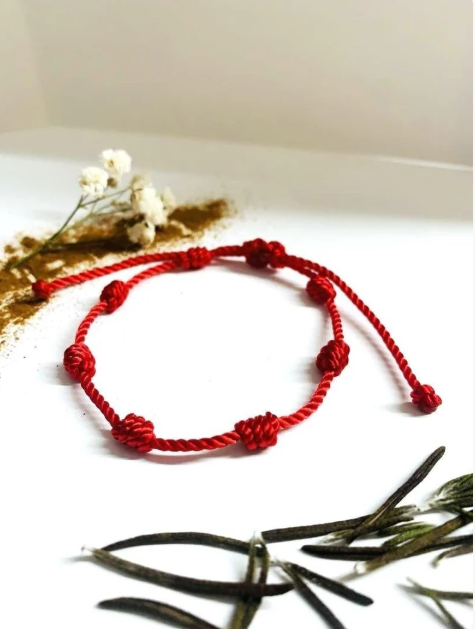
Assessing production capacity for handmade jewelry orders requires a systematic approach that balances artistic quality with operational efficiency. For artisans and small production teams, understanding capacity constraints is critical to accepting the right volume of orders while maintaining the craftsmanship quality that defines artisan jewelry design. This assessment goes beyond simple counting and involves evaluating time requirements, material availability, skill levels, and workflow logistics that directly impact your ability to deliver consistent results.

Every production environment faces unique constraints shaped by workshop space, available tools, team size, and the complexity of custom jewelry making processes. Accurately evaluating these factors prevents common pitfalls like overcommitting to orders, compromising quality, missing deadlines, or burning out your creative team. The foundation of capacity assessment lies in measuring actual production time, accounting for all stages of jewelry craftsmanship techniques, and building realistic buffers for quality control and unexpected challenges.
Understanding Your Current Production Workflow
Mapping Production Stages and Time Requirements
The first step in assessing capacity involves documenting every stage of your custom jewelry making process from design conception through final packaging. Most artisan jewelry design work encompasses design refinement, material procurement, fabrication, assembly, finishing, quality inspection, and packaging. Each stage has distinct time demands that vary significantly based on complexity, materials, and artisan experience. Recording actual production time across multiple similar pieces reveals the true time investment rather than relying on estimates or assumptions about jewelry craftsmanship techniques.
Create a detailed timeline for a representative sample of items from each product category in your handmade jewelry collection. Measure how long design consultation takes, whether materials are pre-sourced or custom-ordered, how fabrication varies by technique, and what finishing work applies. Include time for client communication, revisions, quality reviews, and any rework. This granular approach shows bottlenecks where work slows significantly and identifies stages where artisan jewelry design adds the most value and time investment.
Accounting for Variability in Jewelry Craftsmanship Techniques
Not all custom jewelry making follows identical timelines, especially when different techniques or materials are involved. Certain jewelry craftsmanship techniques like hand-weaving, stone setting, or metal engraving require specialized skills and extended concentration that cannot be rushed. Complex custom jewelry making may demand multiple revision rounds with clients or require sourcing specific materials that introduce delays beyond your direct control. Understanding which techniques demand the most time and which projects carry the highest variability helps you build realistic capacity models.
Some artisan jewelry design work remains consistent in duration across multiple pieces, while other projects vary significantly based on client preferences, material availability, or artistic decisions made during production. Segment your handmade jewelry offerings into complexity tiers: simple, moderate, and complex. Assess production time for representative examples in each tier rather than averaging all work together. This tiered approach provides more accurate capacity planning than treating all custom jewelry making as equivalent in time and resource demand.
Evaluating Resource Constraints and Team Capacity
Analyzing Material Availability and Supply Chain Impact
Material sourcing directly influences how much handmade jewelry production your team can realistically complete. If certain materials require long lead times or depend on specific suppliers, those supply chain constraints become part of your actual production capacity even if your team could physically produce more items. For artisan jewelry design work using specialty materials or custom findings, procurement time may represent a significant portion of total project duration. Accurately assessing capacity requires accounting for these material acquisition periods alongside actual fabrication time.
Evaluate which materials you keep in stock, which ones you order as needed for specific projects, and which ones involve unpredictable availability. Custom jewelry making for high-end clients often requires materials that must be special-ordered, immediately limiting how many simultaneous projects can advance. Document average lead times for each material category and build these into your capacity calculations. If certain premium materials take six weeks to arrive, you cannot count those production hours toward your monthly capacity without accounting for the waiting period.
Assessing Team Skills and Bandwidth
The skill level of your artisans directly affects how quickly they can execute jewelry craftsmanship techniques without compromising quality. Experienced artisans complete handmade jewelry projects faster than those still developing expertise in specialized techniques. However, overloading any team member reduces quality, increases errors, and creates burnout that damages long-term productivity. Realistic capacity assessment requires understanding each team member's current skill level, the techniques they can execute independently, and the mentoring or oversight work that complex custom jewelry making demands.
Calculate available working hours for each team member by subtracting time allocated to administrative work, client communication, social media, packaging, and shipping logistics. If one artisan handles all client interactions alongside production, their actual fabrication time is substantially less than their total hours available. Cross-train team members on complementary jewelry craftsmanship techniques to build flexibility, but recognize that skill development takes time and reduces short-term production output during the learning phase. Include realistic allocations for training, mentorship, and capability building when calculating current handmade jewelry production capacity.
Building a Realistic Capacity Model with Safety Margins
Calculating Maximum Capacity Without Quality Compromise
Once you have documented production timelines, material lead times, and team bandwidth, multiply the hours available by the percentage of time actually spent on billable production work. If a team member works 40 hours weekly but spends 10 hours on administration, material sourcing, and quality control, they have 30 hours for active artisan jewelry design and fabrication. Divide this by the average production time per piece type to calculate realistic monthly capacity for custom jewelry making across each product category. This provides a baseline number that reflects actual operational constraints rather than theoretical maximums.
The calculated maximum capacity should be reduced by 20 to 30 percent to account for quality control failures requiring rework, client revision requests, unexpected material issues, and the natural efficiency losses that occur when teams work near maximum utilization. Jewelry craftsmanship techniques cannot maintain consistent excellence under sustained peak pressure, and burnout reduces both quality and retention. Additionally, maintain buffer capacity to accommodate rush orders, special requests from valued clients, or the inevitable periods when supply chain delays or external factors reduce available production time. Your sustainable, quality-focused capacity sits well below theoretical maximum output.
Implementing Monitoring and Adjustment Protocols
Capacity assessment is not a one-time exercise but an ongoing practice requiring regular review and refinement based on actual performance. Track production data monthly, comparing estimated timelines against actual completion times for handmade jewelry orders. Identify patterns showing which custom jewelry making processes run faster or slower than anticipated, which jewelry craftsmanship techniques require more skill development, and where process improvements could increase efficiency. Use this real-world feedback to refine your capacity model continuously.
Establish clear communication protocols with clients about production timelines based on your assessed capacity. Being transparent about realistic lead times builds trust and prevents the stress of rushed work or missed deadlines. As you develop new artisan jewelry design styles or implement new jewelry craftsmanship techniques, build in initial lower capacity estimates that increase as your team gains proficiency. Monitor team satisfaction and quality metrics alongside production speed; declining morale or rising error rates signal that current orders exceed sustainable handmade jewelry production capacity even if timeline targets are met.
FAQ
How often should I reassess production capacity for handmade jewelry orders?
Review your capacity assessment quarterly or whenever you add new custom jewelry making techniques, team members, or equipment. Significant changes to your artisan jewelry design offerings, material suppliers, or production workflow warrant immediate reassessment. Even without major changes, comparing projected versus actual production times monthly helps identify efficiency trends and adjust your handmade jewelry capacity model accordingly.
What happens when unexpected material delays impact production schedules?
Build buffer capacity into your custom jewelry making schedule so that some projects can advance while others await materials. Diversify your material suppliers where possible to reduce dependency on single sources for critical items used in jewelry craftsmanship techniques. Communicate proactively with clients about potential delays rather than scrambling at the last moment, and consider offering expedited shipping options for materials during your busiest production seasons.
Can I increase production capacity without hiring additional artisans?
Yes, efficiency improvements in handmade jewelry production often yield significant capacity gains. Streamline your jewelry craftsmanship techniques through better tool organization, standardized processes for recurring elements in artisan jewelry design, and elimination of unnecessary steps in custom jewelry making workflows. Invest in equipment that automates routine tasks while preserving the artisanal quality your clients value. Develop templates or systems that reduce design consultation time for standard requests while maintaining personalization.