
 EN
EN



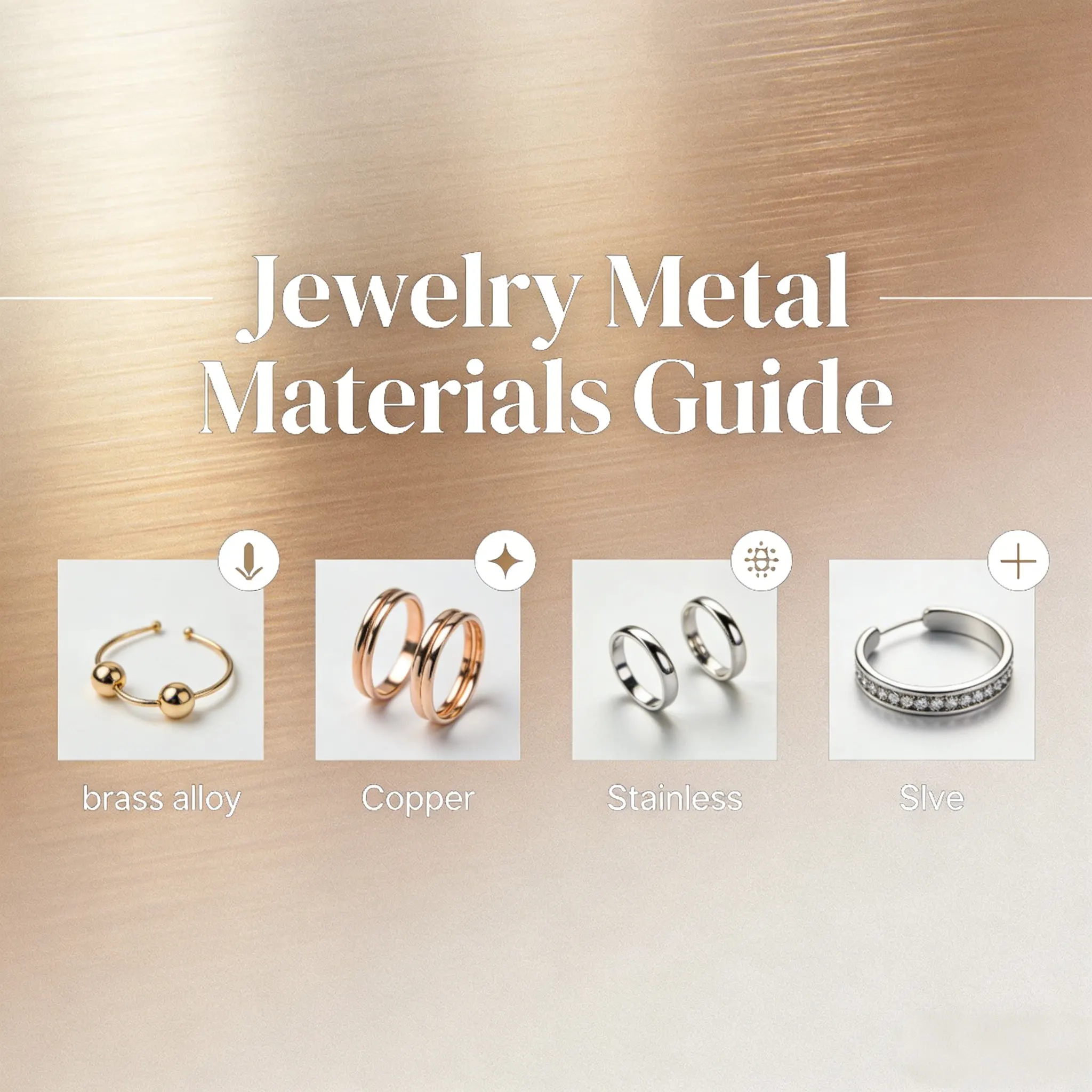
Jewelry Metal Materials Guide: Concepts, Differences & Electroplating Process
When choosing jewelry, the metal material directly determines the wearing experience, the durability of its appearance, and cost-effectiveness. In this blog, we will clearly break down the concepts and core differences of key metal materials (alloy, copper, stainless steel, silver), paired with an analysis of electroplating processes, and provide references for corresponding material accessory styles. This will help you quickly distinguish the advantages of various materials and choose the right jewelry for yourself.
I. Core Concept: What Are the Common Metal Materials for Jewelry?
Jewelry metal materials are mainly divided into two categories: "pure metals" and "alloys". The core difference between them lies in the singularity of their composition — pure metals are composed of a single element, while alloys are formed by fusing two or more metals, adapting to different jewelry styles and budget needs.
1. Alloy(brass alloy & zinc alloy)
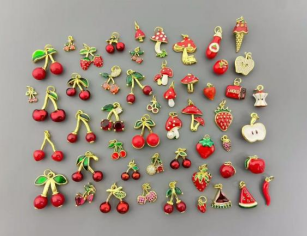
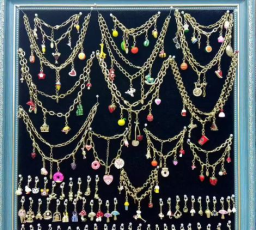
Concept: A mixed metal formed by fusing two or more metals (such as zinc, copper, tin, etc.) in a certain proportion. It is the most common affordable material in the jewelry industry, with core advantages of easy shaping, rich styles, and high cost-effectiveness.
Common Types: Most jewelry uses zinc alloy, and some uses brass zinc (copper alloy). It is often used to make exaggerated styles and basic accessories, and can simulate the texture of gold and silver after electroplating.
 |
 |
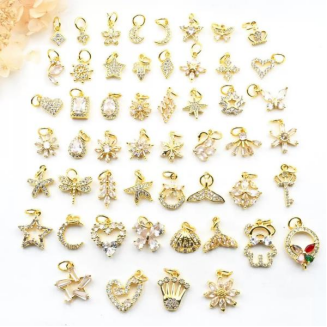
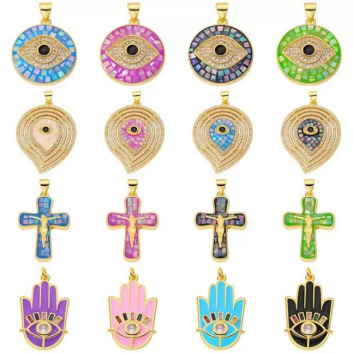
2. Copper
Concept: A single pure metal, also known as red copper. It has a natural reddish-copper color, soft texture, and is easy to shape.
Core Features: It is extremely easy to oxidize and develop patina.
 |
 |
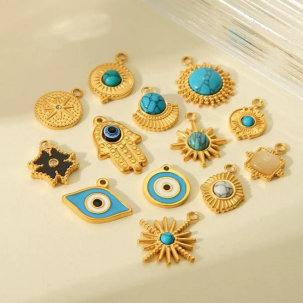
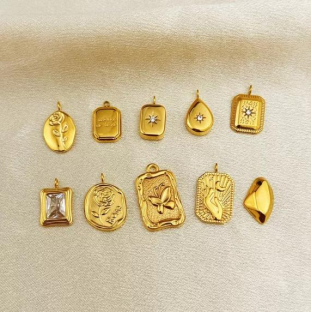
3. Stainless Steel
Concept: Alloy with chromium and nickel, offering durability and corrosion resistance.
Core Features: Waterproof, hypoallergenic, and resistant to fading.
 |
 |
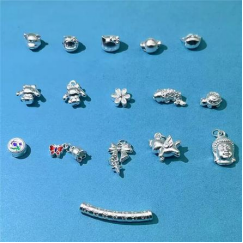
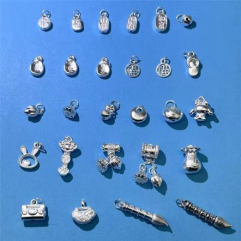
4. Silver
Concept: Pure or sterling silver with soft texture and elegant luster.
Core Features: Easy to oxidize but recoverable.
 |
 |
II. Core Differences Between the Four Materials
Material |
Core Composition |
Appearance & Color |
Oxidation/Fading |
Skin-Friendliness |
Cost-Effectiveness |
Applicable Scenarios |
Brass Alloy |
Mixed metals such as zinc and copper |
Diverse (can simulate gold and silver after electroplating) |
Easy to oxidize and fade |
Average, may cause allergies in some people |
High (affordable) |
Short-term wear, exaggerated styles, basic styles |
Copper |
Pure copper (single element) |
Natural reddish-copper color, strong retro feel |
Extremely easy to oxidize (turn black, develop patina) |
Medium, may cause allergies in a few people |
Medium-low |
Retro styles, electroplating bases |
Stainless Steel |
Alloy of iron + 18% chromium + 8-12% nickel (304 grade) / iron + 18% chromium + 10% nickel + molybdenum (316 grade) |
Silver-gray (can simulate gold after electroplating) |
Not easy to oxidize and fade |
High (skin-friendly and hypoallergenic) |
Medium-high (durable) |
Long-term daily wear, commuter styles, basic styles |
Silver |
Pure silver/silver-plated (single element) |
Warm silver-gray |
Easy to oxidize (turn black, recoverable) |
High (skin-friendly and hypoallergenic) |
Medium-high (high-end affordable) |
Daily wear, exquisite styles, gifting |
III. Analysis of Jewelry Electroplating Process(Enhance Appearance and Durability)
Electroplating is a common surface treatment process in the jewelry industry. Its core is to cover the surface of jewelry substrates (brass alloy, copper, stainless steel, etc.) with a metal (such as gold, silver, rhodium) through electrolysis. It can not only improve the appearance but also enhance the oxidation resistance and wear resistance of the material.
1. Common Electroplating Types (Commonly Used in Jewelry)
- 18K Gold Plating: The most popular electroplating process. A layer of 18K gold is plated on the substrate surface, with luster close to real gold, improving texture and enhancing the oxidation resistance of the substrate. It is suitable for creating light luxury jewelry.
- Silver Plating: A layer of silver is plated on the surface of substrates such as alloy and copper to simulate the luster of pure silver. It has high cost-effectiveness and is more resistant to oxidation than pure silver, but may fade after long-term wear.
- Rhodium Plating: Mostly used on the surface of silver jewelry. After rhodium plating, the color is bright (similar to platinum), with high hardness, which can effectively prevent silver from oxidizing and turning black, and improve durability.
2. Core Functions of Electroplating Process
- Enhance Appearance: Allow affordable substrates (such as alloy and stainless steel) to have the luster of high-end materials such as gold and silver, ensuring beauty while reducing costs.
- Enhance Durability: Reduce oxidation, fading, and wear of the substrate, and extend the service life of jewelry (such as 18K gold-plated stainless steel, which retains the durability of stainless steel and has the texture of gold jewelry).
- Improve Skin-Friendliness: Some substrates (such as alloy) are easy to cause allergies. Electroplating can isolate the substrate from skin contact and reduce the risk of allergies.
3. Notes on Electroplated Materials
The durability of the electroplating layer is related to its thickness. Thick-plated materials (such as thick 18K gold plating) are more resistant to fading and wear than thin-plated ones. In daily wear, avoid contact with chemicals such as perfume and skin care products to extend the service life of the electroplating layer.
IV. Tips for Choosing Materials
1. Pursue cost-effectiveness and rich styles: Choose alloy materials (suitable for short-term wear and matching different outfits);
2. Love retro style and don’t mind maintenance: Choose copper materials (more retro charm after oxidation);
3. Long-term daily wear and hypoallergenic needs: Choose stainless steel materials (waterproof, sweat-resistant, not easy to fade, such as 18K gold-plated stainless steel styles);
4. Pursue delicacy and skin-friendliness: Choose silver materials (pure silver or silver-plated, suitable for daily wear and gifting).
Table of Contents
- Jewelry Metal Materials Guide: Concepts, Differences & Electroplating Process
- I. Core Concept: What Are the Common Metal Materials for Jewelry?
- II. Core Differences Between the Four Materials
- III. Analysis of Jewelry Electroplating Process(Enhance Appearance and Durability)
- IV. Tips for Choosing Materials