
 EN
EN


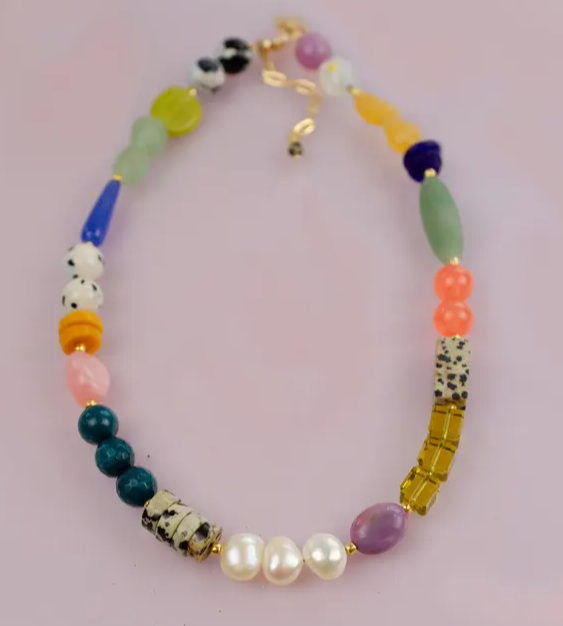
Handmade jewelry has evolved far beyond artisan boutiques and craft fairs. Today, it represents a viable and increasingly strategic option for B2B supply chains seeking differentiation, reliability, and sustainable sourcing. Unlike mass-produced alternatives, handmade jewelry offers controlled production environments, transparent labor practices, and the ability to meet exact specifications that major retailers and brands demand.
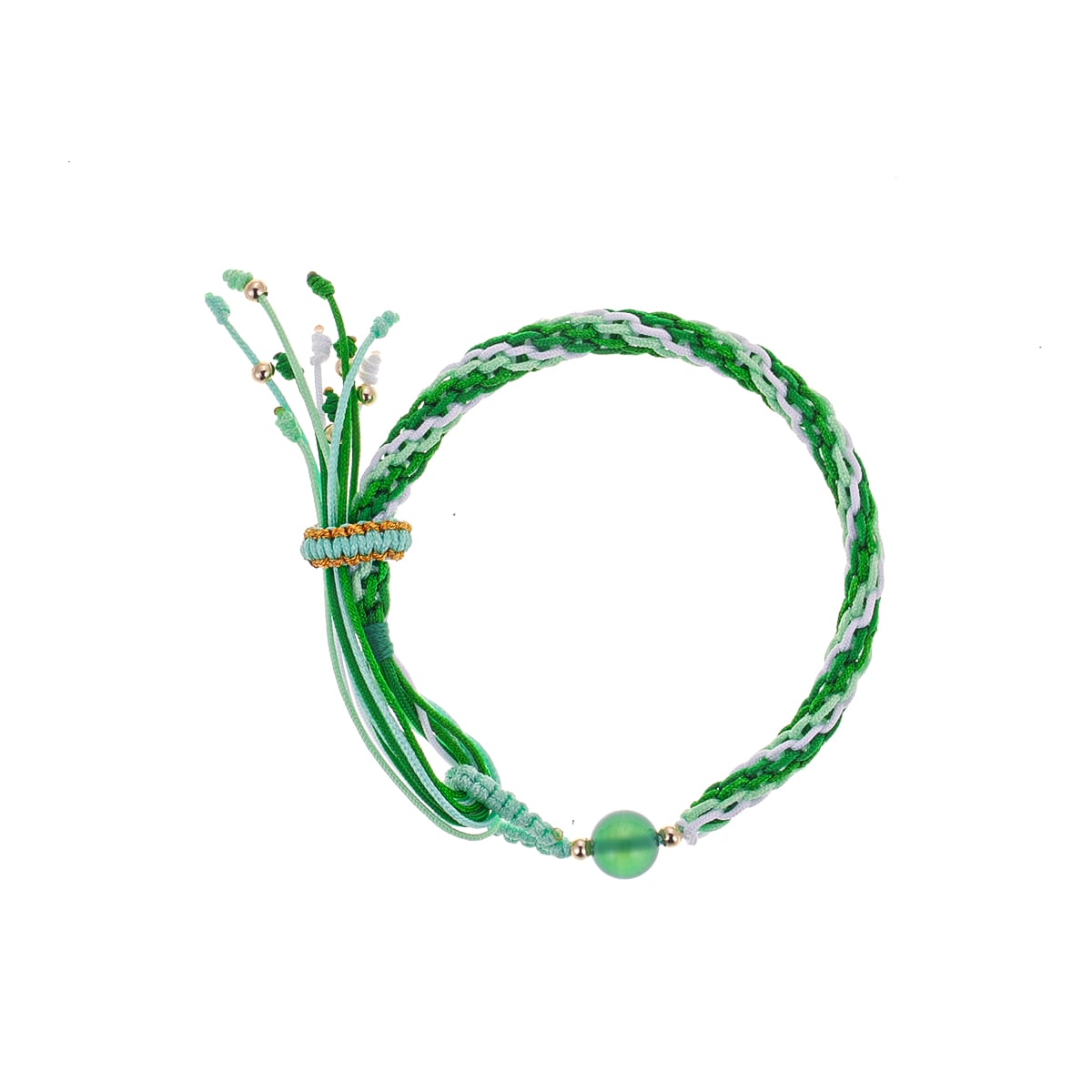
The operational viability of handmade jewelry in B2B contexts rests on three interconnected factors: scalability through structured artisan networks, quality consistency via proven artisan jewelry making techniques, and cost efficiency achieved through sustainable jewelry materials that reduce waste and overhead. When these elements align, B2B buyers gain competitive advantages that justify premium positioning while maintaining ethical supply chain transparency.
Scalability Through Artisan Networks
Building Reliable Production Capacity
Traditionally, handmade jewelry conjures images of individual craftspeople working alone. In modern B2B contexts, this perception must shift toward organized artisan collectives and cooperative manufacturing models. Handmade jewelry producers now operate as established workshops with multiple skilled artisans, inventory management systems, and documented production workflows. This structure allows B2B partners to place orders ranging from hundreds to thousands of units without sacrificing the hand-crafted quality that differentiates their retail offerings.
The viability depends on selecting artisan jewelry making techniques that balance efficiency with authentic craftsmanship. Wire-wrapping, bead setting, stone polishing, and thread-based assembly can all be systematized without losing their handmade character. When artisan networks document their processes and train multiple craftspeople in the same methodology, they create predictable lead times and consistent output that match B2B expectations.
Managing Lead Times and Inventory
One common misconception is that handmade jewelry requires months of waiting. In reality, organized artisan workshops maintain component inventories, semi-finished pieces, and pre-assembled modules that enable rapid order fulfillment. Custom jewelry design orders can often be completed within 4 to 8 weeks when specifications are clear and volumes are reasonable. This timeline is increasingly competitive compared to offshore mass-production facilities, especially when accounting for quality control cycles and reshipping costs.
B2B buyers benefit when they provide detailed specifications upfront and establish recurring order schedules. Predictable demand signals allow artisan teams to invest in tooling, train new craftspeople, and optimize their artisan jewelry making techniques for the specific product categories their B2B partners need most.
Quality Consistency and Artisan Expertise
Establishing Quality Standards
Handmade jewelry viability in B2B supply chains depends on rigorous quality control protocols that rival industrial manufacturing. Experienced artisan jewelry making techniques incorporate tolerance checking, material inspection, and final finishing standards that must be documented and traceable. Each piece undergoes visual inspection for consistency in sizing, stone setting depth, clasp function, and surface finish. This hands-on approach often identifies defects that automated systems miss, resulting in higher overall product integrity.
Custom jewelry design specifications must be translated into written standards that artisans can follow consistently. Photography, measurement templates, and reference samples ensure that batch after batch maintains the same dimensional accuracy and aesthetic quality. B2B partners appreciate this level of documentation because it reduces returns, supports warranty claims, and strengthens brand reputation in retail channels.
Artisan Skill Development and Certification
The most reliable handmade jewelry suppliers invest in continuous training and skill certification for their craftspeople. Artisan jewelry making techniques improve over time as practitioners develop muscle memory, material intuition, and problem-solving reflexes. Forward-thinking B2B suppliers document these skill levels and create advancement pathways that keep experienced artisans engaged and productive. When artisans know their work is valued and their expertise recognized, quality and consistency naturally rise.
For B2B buyers, this investment in human capital signals reliability. Suppliers with trained, stable workforces deliver more predictable results than those relying on transient labor or one-person operations.
Sustainable Materials and Cost Efficiency
Choosing Sustainable Jewelry Materials
Sustainable jewelry materials represent both an ethical commitment and a pragmatic cost advantage in B2B handmade jewelry production. Recycled metals, ethically sourced gemstones, and biodegradable beading materials reduce supply chain risks and environmental compliance burdens. Unlike mass producers that must absorb bulk material costs across millions of units, artisan workshops can source premium sustainable jewelry materials in smaller quantities without proportional price inflation. This flexibility allows B2B partners to differentiate their retail offerings through genuine sustainability claims backed by verifiable sourcing documentation.
Natural stones, including semi-precious varieties, offer cost-effective alternatives to synthetic alternatives while maintaining the artisanal aesthetic. Sustainable jewelry materials like recycled sterling silver and responsibly sourced wood also appeal to B2B buyers targeting conscious consumers. The artisan jewelry making techniques that incorporate these materials often require minimal modification, making the transition cost-effective for established producers.
Waste Reduction and Margin Optimization
Handmade jewelry production inherently generates less waste than injection molding or mass stamping operations. Artisans learn to maximize material utilization through custom jewelry design approaches that nest components efficiently. Offcuts from bead shaping or stone cutting often become inputs for other products or are recycled through established channels. This closed-loop thinking reduces material costs and appeals to B2B buyers seeking eco-conscious supply chain partners.
Sustainable jewelry materials that command premium prices in retail settings still deliver better B2B margins when production waste is minimized. Artisan workshops experienced in sustainable jewelry materials often achieve higher net margins than larger competitors despite lower unit volumes, creating attractive partnership economics.
FAQ
Can handmade jewelry maintain consistent quality across large B2B orders?
Yes, when artisan jewelry making techniques are documented, artisans are trained consistently, and quality checkpoints are established at each production stage. Established handmade jewelry workshops typically achieve defect rates below 2 percent, comparable to industrial facilities. The advantage is that each piece benefits from individual attention, catching subtle material issues that automated systems miss.
How do lead times for custom jewelry design compare to mass production?
Lead times for handmade jewelry and custom jewelry design typically range from 4 to 8 weeks, depending on complexity and order volume. This matches or beats offshore mass production when accounting for quality control cycles, shipping time, and rework costs. Established artisan networks with pre-made components can fulfill urgent orders faster than factories requiring machine setup time.
Why choose sustainable jewelry materials if they cost more?
Sustainable jewelry materials support retail price premiums that often exceed their supply cost difference. B2B buyers using sustainable jewelry materials strengthen brand loyalty, reduce regulatory compliance risks, and access growing consumer segments prioritizing ethical sourcing. For handmade jewelry producers, sustainable materials reduce waste and leverage artisan jewelry making techniques that emphasize quality over quantity, ultimately improving profitability per unit.