
 EN
EN


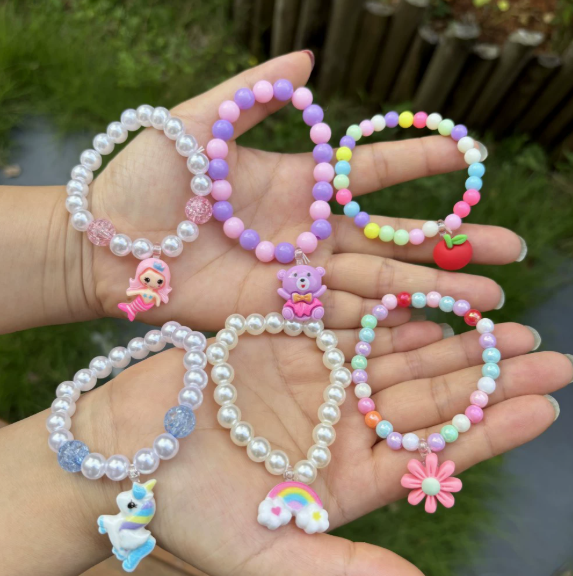
The commercial viability of handmade jewelry in business-to-business supply chains has evolved significantly over the past decade. What was once viewed as a niche market for small retailers and boutique shops has matured into a legitimate segment of the wholesale jewelry industry. Handmade jewelry now serves major retail partnerships, corporate gift programs, and international distribution networks. Understanding the factors that make handmade jewelry viable at scale requires examining production capacity, quality consistency, pricing strategy, and market demand dynamics.
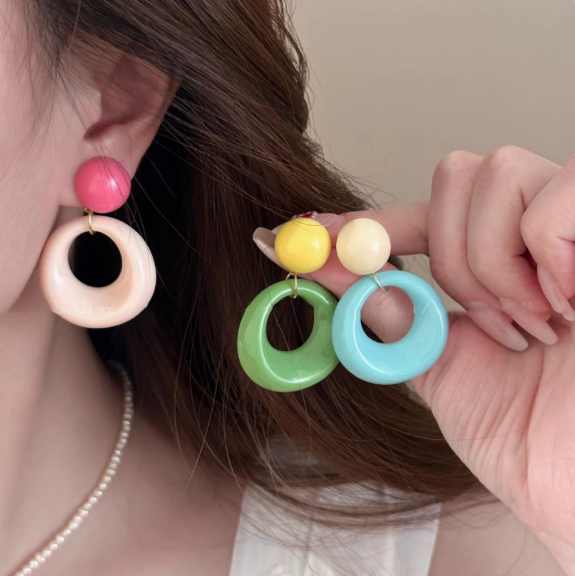
Handmade jewelry supply chains differ fundamentally from mass-manufactured alternatives in their production philosophy, cost structure, and value proposition. B2B buyers increasingly recognize that handmade jewelry offers differentiation, storytelling potential, and premium positioning that automated manufacturing cannot replicate. The viability of handmade jewelry in these networks depends on understanding how artisan production can meet wholesale demand without sacrificing quality, authenticity, or profitability. This article examines the key drivers that make handmade jewelry economically and operationally viable for B2B partnerships.
Production Scalability and Handmade Jewelry Capacity
Scaling Handmade Jewelry Without Compromising Craft
Handmade jewelry producers must balance artisan methodology with the volume requirements of B2B contracts. Unlike mass production, handmade jewelry relies on skilled craftspeople who work with traditional techniques, material handling, and quality inspection at each stage. Scaling handmade jewelry output requires investing in trained artisan teams, organized workshop infrastructure, and supply chain coordination rather than automated machinery. Producers who successfully scale handmade jewelry operations build modular production systems where teams work in parallel on similar pieces, allowing output to increase without diluting the handcrafted nature of each item.
Quality Control in Handmade Jewelry Production
B2B buyers demand consistency, and handmade jewelry production must provide reliable quality standards across large orders. Successful handmade jewelry suppliers implement rigorous inspection protocols, material sourcing agreements, and design documentation to ensure every piece meets wholesale specifications. Quality control for handmade jewelry includes visual assessment, durability testing, and finishing consistency checks at multiple production stages. This discipline allows handmade jewelry to achieve the reliability that institutional buyers require while maintaining the authentic aesthetic that distinguishes artisan work. Producers who establish these systems position handmade jewelry as a dependable wholesale product rather than a variable artisan craft.
Pricing Strategy and Margin Economics for Handmade Jewelry
Cost Structure and Profitability of Handmade Jewelry
The economics of handmade jewelry differ markedly from mass-produced alternatives because labor represents a significantly larger cost component. Handmade jewelry pricing must account for skilled artisan wages, material sourcing, workshop overhead, quality inspection time, and packaging. B2B viability depends on whether retailers and distributors accept the price premium that handmade jewelry commands. Market research shows that handmade jewelry typically sells at 40–60% higher retail prices than mass-produced equivalents, creating sufficient margin for wholesalers to achieve standard markup targets while producers maintain profitability. Understanding this pricing dynamic is essential for B2B viability because handmade jewelry suppliers must educate buyers on the value justification.
Wholesale Margin Structure for Handmade Jewelry
Handmade jewelry wholesale typically operates on 40–50% wholesale discounts from retail pricing, which differs from mass-produced jewelry margins by 10–15 percentage points. This margin differential reflects the added value, authenticity narrative, and market differentiation that handmade jewelry provides. B2B buyers of handmade jewelry accept these economics because the products generate higher per-unit revenues and reduce inventory obsolescence compared to trend-chased mass production. Successful handmade jewelry partnerships establish tiered pricing for volume commitments, allowing producers to improve margins while offering buyers predictable costs at scale. This mutual benefit makes handmade jewelry financially viable for both suppliers and B2B partners.
Market Demand and Strategic Positioning of Handmade Jewelry
Retail and Corporate Demand for Handmade Jewelry
Market demand for handmade jewelry continues to expand across B2B segments including specialty retail boutiques, online marketplaces, corporate gift suppliers, and jewelry distributors. Consumer preferences increasingly favor authentic, ethical, and locally-produced products, and handmade jewelry directly addresses these buying signals. Retailers leverage handmade jewelry as a differentiation strategy against big-box competitors, and this positioning translates into wholesale purchase commitments. Corporate gift programs and employee recognition initiatives also drive demand for handmade jewelry because these contexts reward personalization, quality perception, and meaningful sourcing narratives. Understanding these demand drivers reveals why handmade jewelry has achieved viability as a B2B product category.
Storytelling and Brand Integration of Handmade Jewelry
Handmade jewelry carries inherent storytelling value that supports B2B marketing and retail positioning. Each piece can reference artisan heritage, material provenance, design inspiration, or cultural significance, creating narrative anchors that mass-produced jewelry cannot match. B2B retailers amplify this storytelling to justify handmade jewelry pricing, build brand loyalty, and differentiate their customer experience. Handmade jewelry suppliers who document production processes, highlight artisan backgrounds, and communicate sourcing practices create competitive advantages that strengthen wholesale relationships. This narrative layer adds economic viability to handmade jewelry because it justifies premium positioning and reduces price-based commoditization.
FAQ
Can handmade jewelry meet bulk order deadlines required by B2B buyers?
Yes, organized handmade jewelry producers with trained artisan teams can meet B2B deadlines through advance planning, modular workflow design, and inventory management. Success requires producers to establish production calendars, secure material supplies, and scale team capacity proportionally to order volume. Handmade jewelry suppliers typically require 4–8 weeks advance notice for large orders, which aligns with standard wholesale lead times. Communication and transparency about handmade jewelry production timelines help B2B partners plan inventory and avoid surprises.
What makes handmade jewelry different from mass-produced jewelry in supply chain terms?
Handmade jewelry emphasizes craftsmanship, material quality, and unique design elements that require artisan skill and individual attention at each production stage. Mass-produced jewelry prioritizes efficiency and low cost through standardized manufacturing processes and minimal labor involvement. Handmade jewelry supply chains are shorter and more relationship-driven, with direct connection between producer and buyer. This transparency and authenticity differentiate handmade jewelry commercially and support premium positioning in B2B markets.
What industries benefit most from handmade jewelry B2B partnerships?
Specialty retail boutiques, ethical lifestyle brands, corporate gift suppliers, wellness companies, and fashion retailers benefit most from handmade jewelry partnerships. These sectors value the storytelling, quality perception, and differentiation that handmade jewelry provides. Handmade jewelry also serves travel retail, museum shops, and experiential retail environments where customers seek authentic, culturally-significant products. Any B2B channel emphasizing quality, sustainability, or consumer emotional connection finds handmade jewelry viable.