
 EN
EN


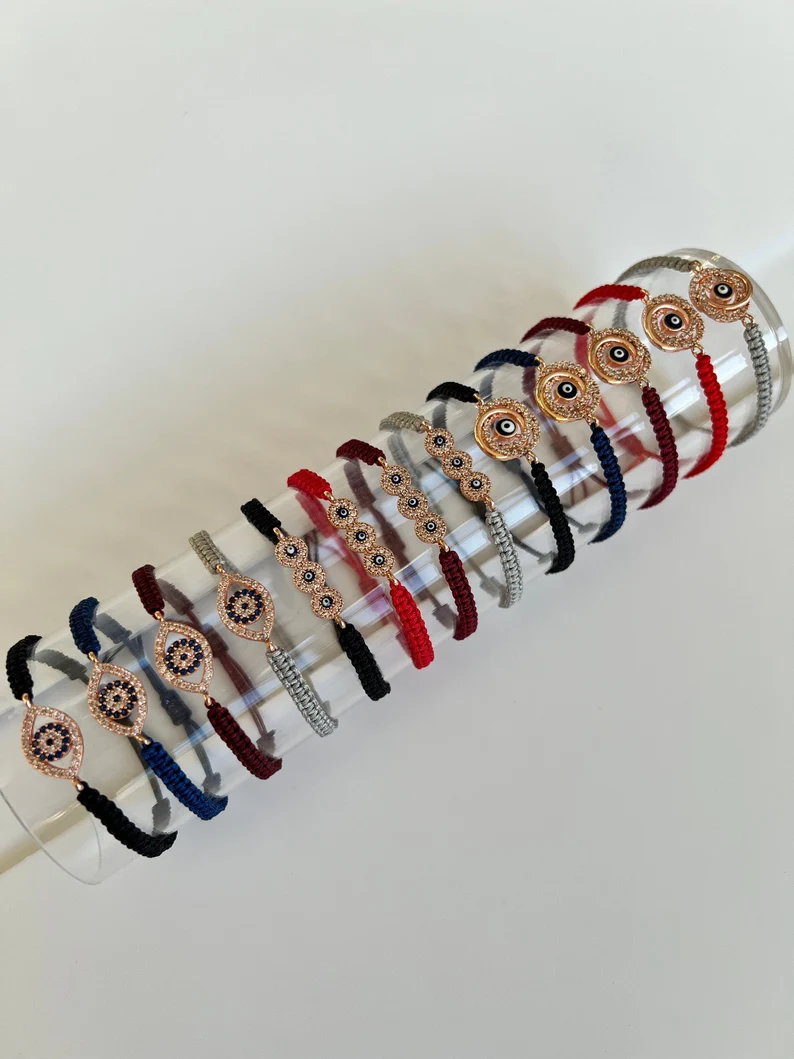
Commercial bracelet supply chains rely on rigorous quality testing protocols to ensure products meet industry standards and consumer expectations. These comprehensive testing procedures evaluate everything from material durability and safety to craftsmanship consistency, forming the foundation of reliable bracelet manufacturing and distribution networks. Understanding these quality assessment methods is essential for suppliers, retailers, and procurement professionals who need to maintain high standards while managing commercial bracelet operations effectively.

The modern commercial bracelet industry implements systematic testing frameworks that address multiple quality dimensions simultaneously. From initial material verification through final product inspection, these standardized procedures help manufacturers identify potential issues before products reach the marketplace. Professional quality testing for bracelet supply chains encompasses material composition analysis, structural integrity assessments, safety compliance verification, and aesthetic consistency checks that collectively ensure each bracelet meets both regulatory requirements and market expectations.
Material Composition and Safety Testing
Metal Content Verification
Material composition testing represents a fundamental aspect of commercial bracelet quality control, particularly for metal-based designs. X-ray fluorescence spectroscopy and acid testing methods help verify the actual metal content against declared specifications. These procedures ensure that sterling silver bracelets contain the required 92.5% silver content, while gold bracelet testing confirms proper karat ratings and alloy compositions.
Lead content testing has become increasingly critical due to consumer safety regulations and international trade requirements. Commercial bracelet suppliers routinely conduct lead detection tests using specialized equipment that can identify trace amounts of this harmful metal. The testing process involves sampling multiple points on each bracelet design to ensure comprehensive coverage of all components including clasps, charms, and decorative elements.
Nickel release testing addresses growing consumer concerns about allergic reactions and skin sensitivities. This specialized testing measures the amount of nickel that may leach from bracelet surfaces under normal wearing conditions. The procedure simulates extended skin contact using synthetic sweat solutions and precise measurement protocols to ensure bracelet products meet European Union nickel release standards and similar international guidelines.
Gemstone and Crystal Authentication
Natural stone authentication testing ensures that gemstone bracelets contain genuine materials as advertised. Gemological testing employs refractometry, spectroscopy, and microscopic examination to verify stone identity and detect synthetic alternatives. These procedures are particularly important for high-value bracelet collections featuring precious and semi-precious stones where material authenticity directly impacts commercial value.
Crystal clarity and treatment detection testing identifies any artificial enhancements or modifications applied to gemstone components. This testing reveals heat treatments, dye applications, or clarity improvements that must be disclosed to consumers according to industry standards. The process involves specialized lighting examination and chemical analysis techniques that can detect even subtle treatment indicators.
Durability testing for gemstone settings evaluates how well stones remain secured within bracelet mountings under normal wear conditions. This testing involves controlled stress application and vibration exposure to simulate months of typical use. The evaluation helps identify potential setting weaknesses that could lead to stone loss and customer complaints in commercial distribution.
Structural Integrity and Durability Assessment
Clasp Mechanism Testing
Clasp functionality testing evaluates the reliability and longevity of bracelet closure systems through repeated opening and closing cycles. Commercial testing protocols typically involve thousands of operation cycles to simulate months or years of normal use. This mechanical testing identifies potential failure points in spring mechanisms, magnetic closures, and traditional hook-and-eye designs before products reach consumers.
Tensile strength testing measures the maximum force bracelet clasps can withstand before mechanical failure occurs. This testing applies gradually increasing loads to determine breaking points and safety margins. The data helps establish appropriate weight limits and usage guidelines for different bracelet designs, ensuring consumer safety and product reliability in commercial applications.
Security testing evaluates how well clasp mechanisms resist accidental opening during normal wear activities. This specialized testing simulates various scenarios including sports activities, sleeping movements, and clothing interactions that might inadvertently trigger clasp release. The results help manufacturers optimize clasp design and provide appropriate security ratings for different bracelet styles.
Link and Chain Durability
Chain link stress testing applies controlled forces to individual connections to identify weak points in bracelet construction. This testing reveals potential failure modes including link distortion, solder joint separation, and metal fatigue that could develop during extended wear. The process involves both static load testing and dynamic stress cycling to simulate various wearing conditions.
Flexibility testing ensures that bracelet chains maintain appropriate movement characteristics throughout their service life. This evaluation measures how chain structures respond to bending, twisting, and compression forces that occur during normal wear. The testing helps verify that bracelet designs maintain comfort and appearance while resisting permanent deformation or kinking.
Abrasion resistance testing evaluates how well bracelet surfaces withstand daily wear and contact with clothing, skin, and environmental elements. This testing involves controlled rubbing cycles using standardized materials and measured force applications. The results indicate expected service life and help establish appropriate maintenance recommendations for different bracelet materials and finishes.
Surface Finish and Appearance Quality Control
Plating and Coating Durability
Electroplated coating thickness measurement ensures that bracelet finishes meet specified standards for durability and appearance retention. Advanced testing equipment measures plating depth at multiple points to verify uniform coverage and adequate protection. This testing is particularly critical for fashion bracelets that rely on thin precious metal coatings over base metal cores.
Salt spray corrosion testing exposes bracelet samples to accelerated corrosion conditions that simulate months of environmental exposure. This testing reveals potential coating failures, discoloration issues, and protective finish degradation that could affect commercial bracelet appearance and longevity. The standardized testing protocols help predict real-world performance and establish appropriate warranty periods.
Adhesion testing evaluates how well surface coatings bond to underlying bracelet materials. This testing involves controlled tape-pull tests and cross-hatch scoring procedures that reveal coating delamination tendencies. Strong adhesion results indicate that bracelet finishes will resist chipping, peeling, and wear-related deterioration during normal commercial distribution and use.
Color Consistency and Fastness
Color matching testing ensures that bracelet components maintain consistent appearance across production batches. Spectrophotometric analysis measures precise color values and identifies variations that might be noticeable to consumers. This testing is essential for bracelet collections where multiple pieces must coordinate and match established color standards.
UV light exposure testing evaluates color stability when bracelet materials encounter sunlight and artificial lighting conditions. Extended exposure protocols reveal potential fading, color shifting, or degradation issues that could affect product appearance over time. This testing helps establish appropriate storage and display recommendations for commercial bracelet retailers.
Chemical resistance testing exposes bracelet surfaces to common substances including perfumes, lotions, cleaning products, and perspiration. This testing reveals potential staining, discoloration, or finish damage that could occur during normal wear conditions. The results help manufacturers develop appropriate care instructions and consumer warnings for different bracelet materials and finishes.
Dimensional Accuracy and Sizing Verification
Measurement Precision Testing
Length and width verification ensures that commercial bracelet products conform to advertised dimensions and sizing standards. Precision measurement protocols use calibrated instruments to verify that finished bracelets match design specifications within acceptable tolerances. This testing prevents sizing inconsistencies that could lead to customer dissatisfaction and return issues.
Weight verification testing ensures that bracelet products meet specified mass requirements and maintain consistency across production runs. Accurate weight control affects both material costs and consumer expectations, particularly for precious metal bracelets where weight directly correlates with value. This testing identifies variations that might indicate material substitution or manufacturing irregularities.
Circumference and fit testing evaluates how well bracelet designs accommodate different wrist sizes and wearing preferences. This testing involves trial fitting on standardized forms and measurement of adjustment ranges for expandable designs. The results help establish accurate sizing charts and fitting guidelines for commercial bracelet distribution.
Assembly Tolerance Assessment
Component alignment testing verifies that bracelet elements assemble correctly and maintain proper positioning during wear. This testing identifies potential assembly issues including misaligned links, uneven spacing, or asymmetrical component placement that could affect appearance and functionality. Precise alignment ensures professional appearance and proper bracelet performance.
Joint clearance measurement ensures that moving bracelet components operate smoothly without binding or excessive looseness. This testing evaluates the precision of manufacturing tolerances and assembly procedures that affect bracelet flexibility and comfort. Proper clearances prevent premature wear while maintaining appropriate movement characteristics.
Symmetry verification testing ensures that bracelet designs maintain balanced appearance and proper proportions. This testing involves precise measurement and visual inspection protocols that identify asymmetries or proportion irregularities that could affect product appeal. Consistent symmetry contributes to professional appearance and manufacturing quality perception.
Packaging and Documentation Quality Standards
Product Labeling Accuracy
Content verification testing ensures that bracelet product labels accurately reflect material composition, care instructions, and regulatory compliance information. This testing involves cross-referencing actual test results with printed specifications to identify any discrepancies. Accurate labeling prevents regulatory violations and ensures consumer trust in commercial bracelet products.
Barcode and identification testing verifies that tracking systems and inventory codes function correctly throughout the distribution chain. This testing ensures that bracelet products can be properly tracked, traced, and managed from manufacturing through retail sale. Accurate identification systems support quality control, warranty service, and product recall capabilities when necessary.
Regulatory compliance documentation testing ensures that commercial bracelet shipments include all required certificates, test reports, and safety declarations. This testing prevents customs delays and regulatory issues that could disrupt commercial distribution. Complete documentation supports international trade requirements and consumer protection standards.
Protective Packaging Evaluation
Drop resistance testing evaluates how well packaging protects bracelet products during shipping and handling. This testing involves controlled impact scenarios that simulate typical transportation stresses. Adequate protection prevents product damage and maintains bracelet condition from manufacturing through consumer delivery.
Moisture protection testing ensures that packaging materials adequately protect bracelet products from humidity and environmental exposure during storage and shipping. This testing reveals potential corrosion, tarnishing, or degradation issues that could affect product quality before sale. Effective moisture barriers maintain bracelet appearance and performance throughout the distribution cycle.
Presentation quality testing evaluates how well packaging supports commercial bracelet marketing and retail display requirements. This testing considers visual appeal, ease of opening, and reusability factors that affect consumer perception and retailer satisfaction. Professional packaging quality contributes to successful commercial bracelet positioning and brand image.
FAQ
How often should commercial bracelet suppliers conduct quality testing?
Commercial bracelet suppliers typically conduct comprehensive quality testing for each new product design and perform routine batch testing throughout production. Initial testing occurs during product development to establish quality baselines, while ongoing testing monitors 5-10% of production output depending on volume and risk factors. High-value or complex bracelet designs may require more frequent testing to ensure consistent quality standards.
What are the most critical quality tests for metal bracelet chains?
Metal bracelet chains require tensile strength testing, clasp durability assessment, and material composition verification as the most critical quality evaluations. These tests ensure that chains can withstand normal wear forces, maintain secure closure, and contain appropriate metal content as advertised. Additional testing for plating durability and corrosion resistance becomes essential for fashion bracelets with protective coatings.
How do international regulations affect bracelet quality testing requirements?
International regulations significantly influence bracelet quality testing by establishing mandatory safety standards for lead content, nickel release, and material composition disclosure. European Union directives require specific nickel testing protocols, while North American standards focus on lead content limits and labeling accuracy. Commercial bracelet suppliers must adapt testing procedures to meet the most stringent requirements among their target markets.
What documentation should accompany quality-tested commercial bracelets?
Quality-tested commercial bracelets should include material composition certificates, safety compliance declarations, and test result summaries that verify regulatory compliance. Additional documentation may include care instructions, warranty information, and country of origin declarations required for international trade. Complete documentation packages support retailer confidence and consumer protection while facilitating efficient customs processing and quality verification.