jewelry wholesale vendors
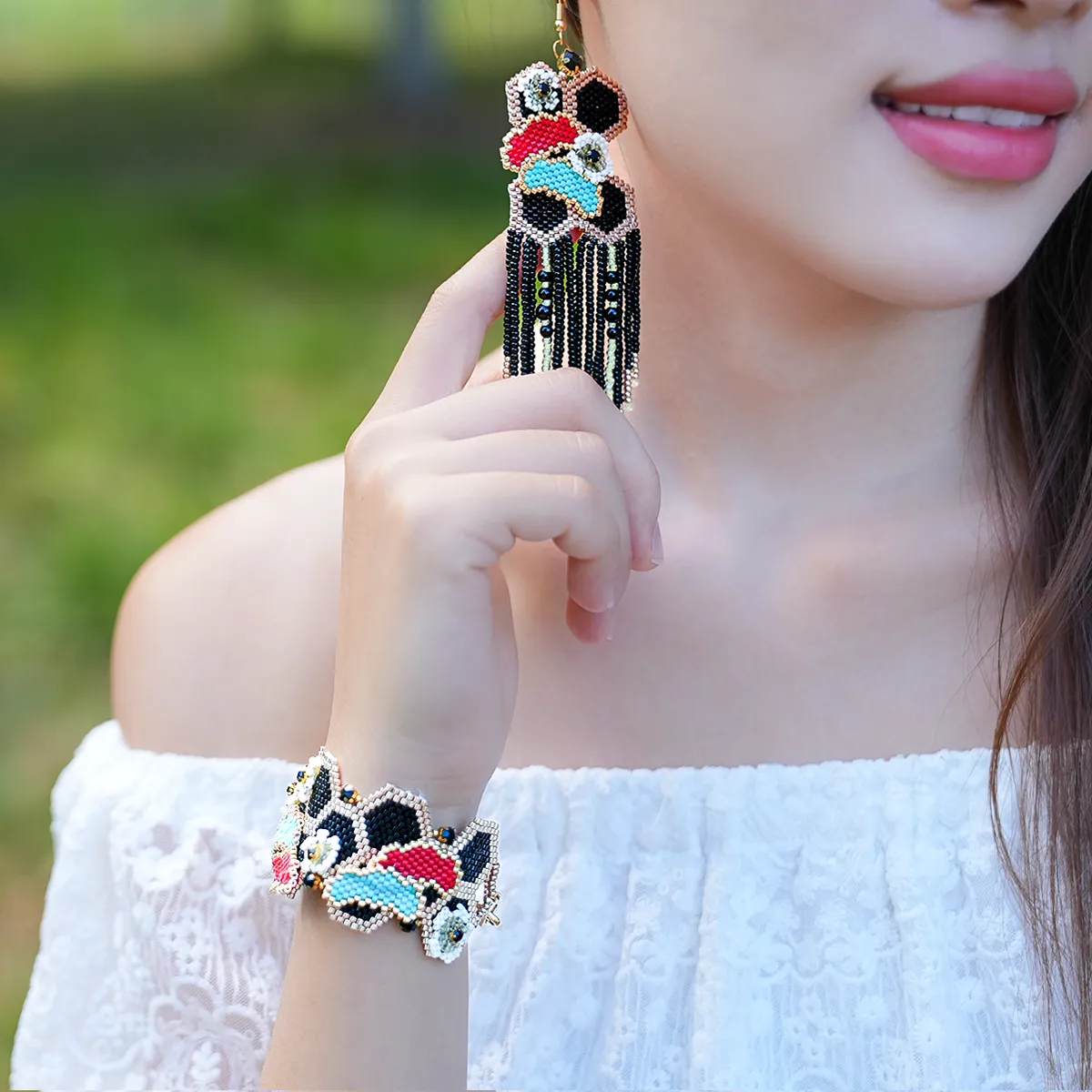
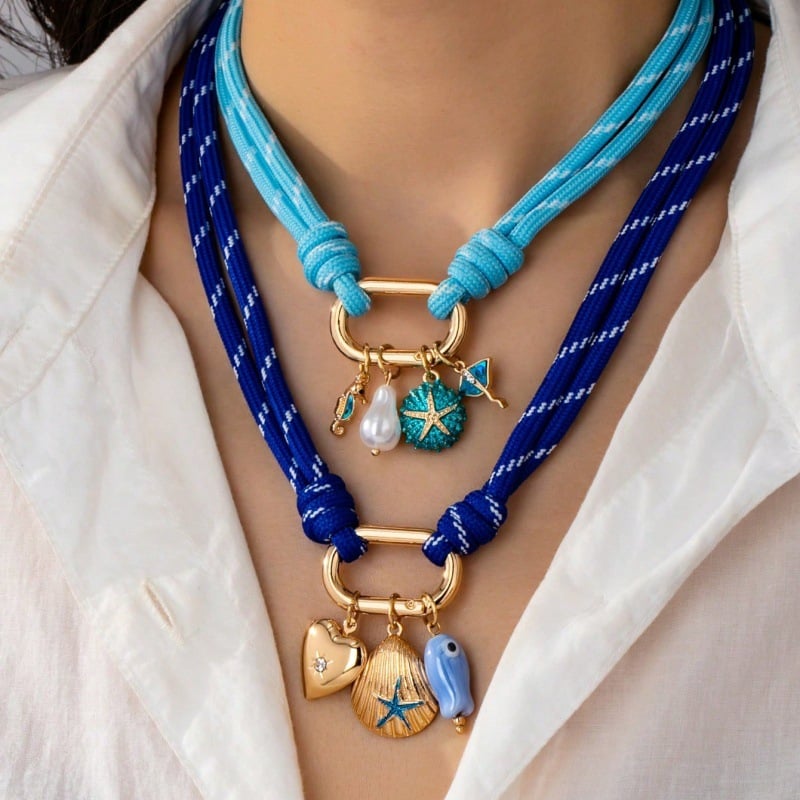
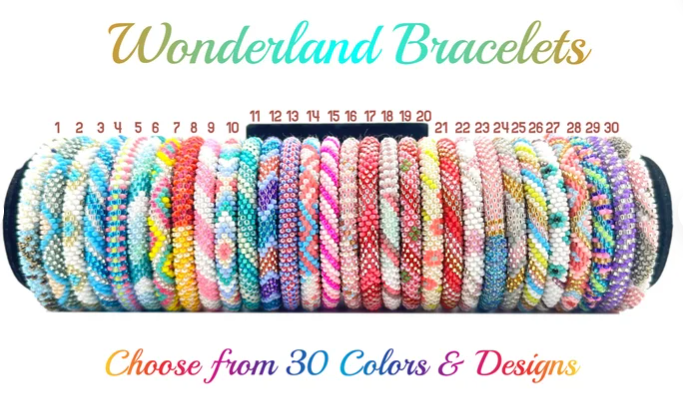
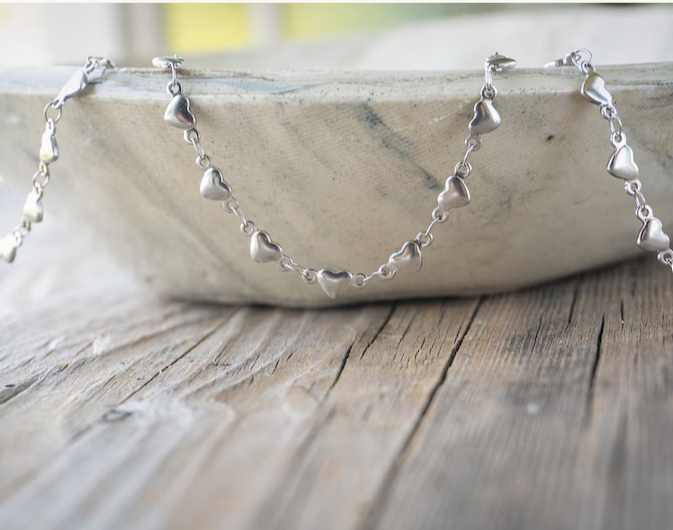
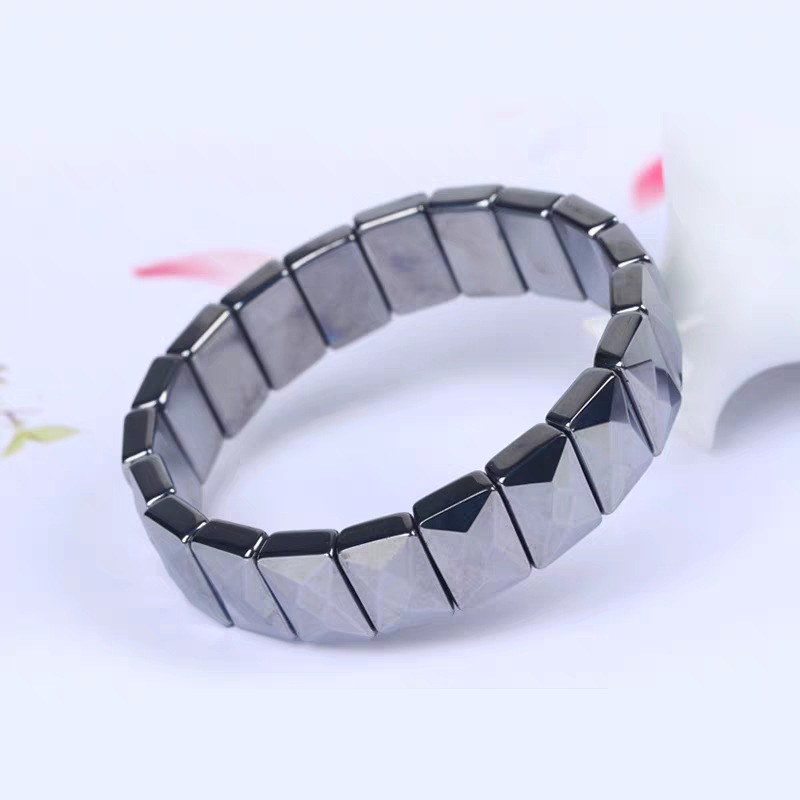
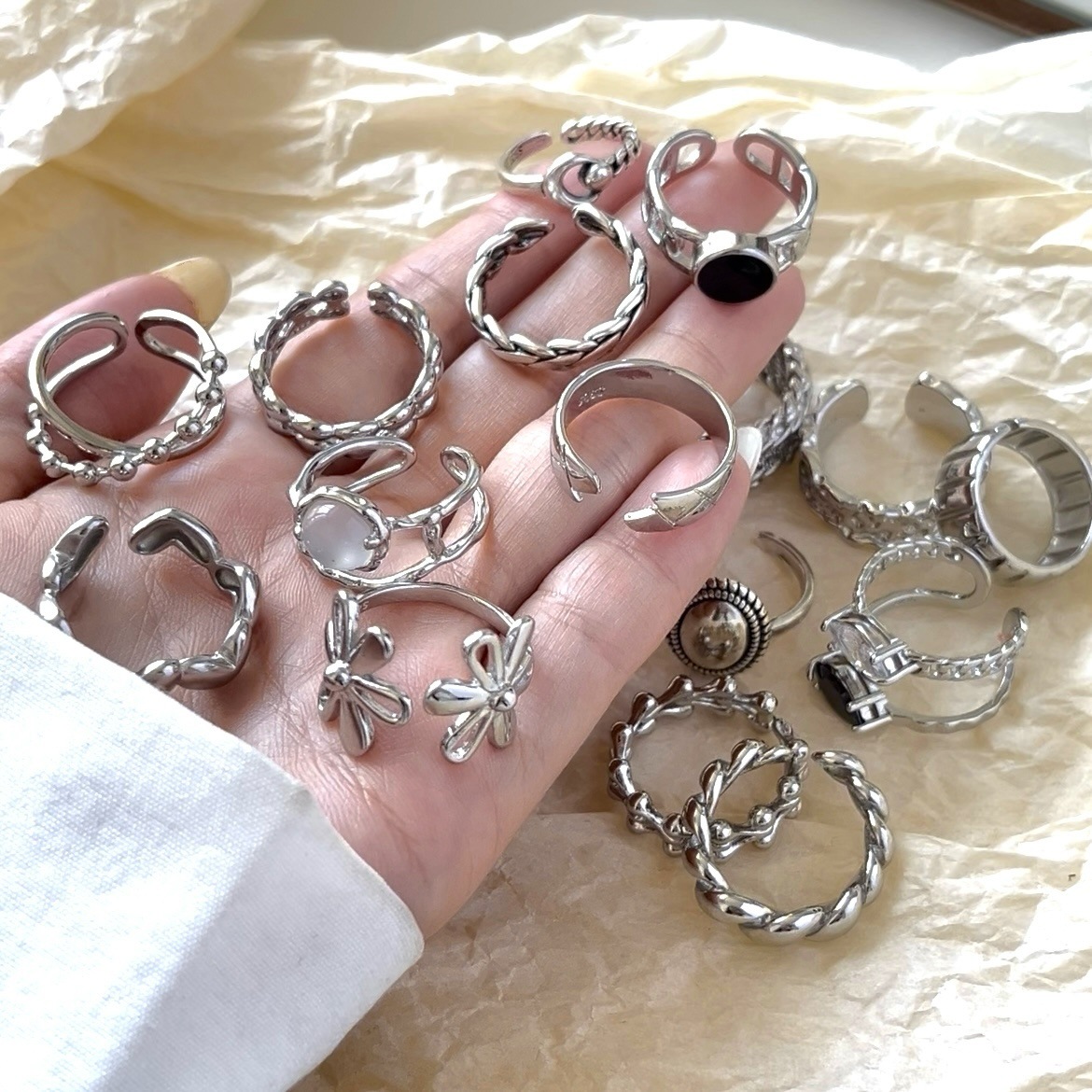
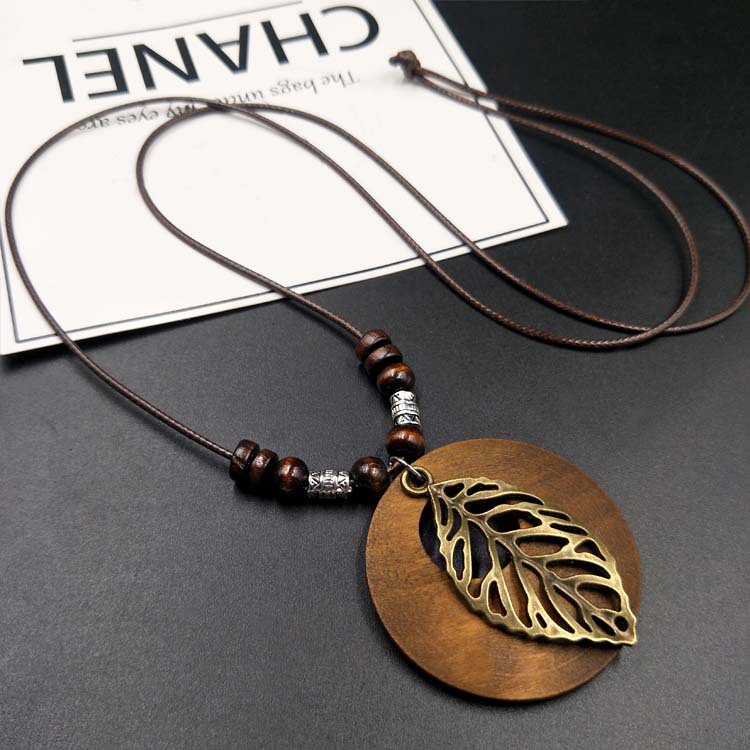
Jewelry wholesale vendors serve as essential business partners for retailers, boutiques, and entrepreneurs seeking to source high-quality jewelry products at competitive prices. These specialized suppliers maintain extensive inventories of rings, necklaces, bracelets, earrings, and other accessories, enabling buyers to purchase in bulk quantities for resale purposes. By connecting manufacturers with retail markets, jewelry wholesale vendors streamline the supply chain and reduce procurement costs significantly. These vendors typically offer diverse product catalogs ranging from fashion jewelry to fine jewelry pieces, accommodating various market segments and customer preferences. Advanced jewelry wholesale vendors utilize digital platforms and online catalogs that allow buyers to browse thousands of products, check real-time inventory availability, and place orders efficiently. Many vendors provide additional services including product customization, private labeling, dropshipping capabilities, and flexible payment terms. The technological infrastructure employed by modern jewelry wholesale vendors includes secure payment gateways, inventory management systems, and customer relationship management tools that enhance the buying experience. These vendors cater to different business models, whether operating physical showrooms, attending trade shows, or maintaining exclusively online operations. Their applications extend across retail jewelry stores, online marketplaces, fashion boutiques, gift shops, and accessory retailers. By partnering with reliable jewelry wholesale vendors, businesses gain access to trending designs, seasonal collections, and exclusive pieces that help differentiate their offerings in competitive markets while maintaining healthy profit margins through wholesale pricing structures.

 EN
EN