
 EN


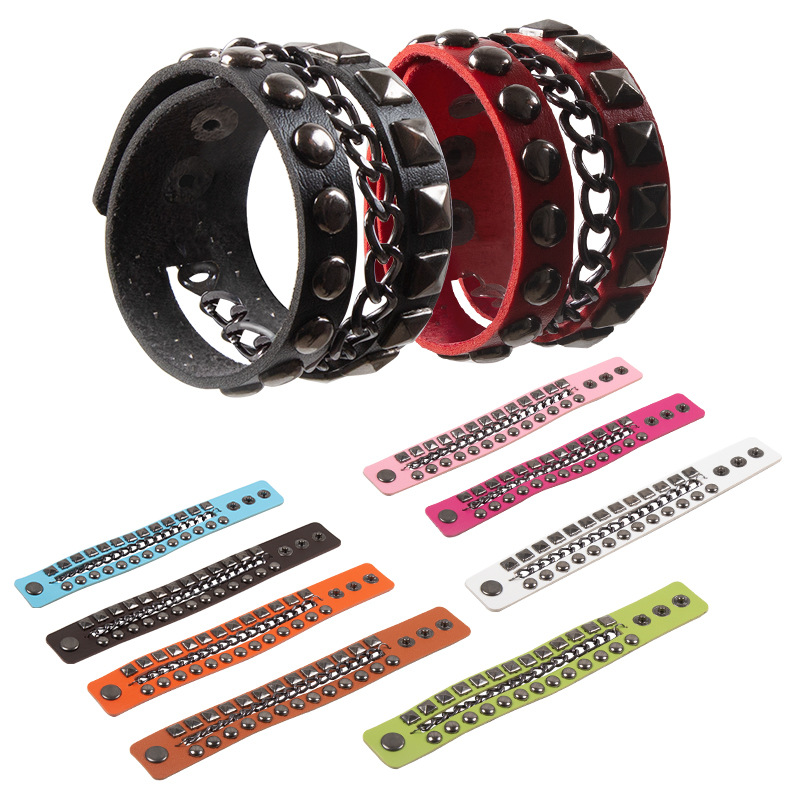
High-volume production environments demand careful consideration of how bracelet designs directly impact manufacturing efficiency, cost control, and output capacity. The right bracelet design strategy transforms production bottlenecks into streamlined workflows, enabling manufacturers to meet aggressive volume targets without sacrificing quality or increasing operational complexity. Understanding the relationship between design choices and production scalability is essential for any organization committed to delivering consistent bracelet output at scale.

The foundation of successful high-volume bracelet production lies in design simplification and material consistency. When a bracelet incorporates straightforward construction methods, fewer assembly steps, and standardized components, production teams can work faster without rework or quality failures. This alignment between design philosophy and production capability determines whether a facility can sustain profitability while scaling bracelet output to meet market demand.
Design Simplification and Production Speed
Streamlined Component Architecture
A well-designed bracelet minimizes the number of unique parts required for assembly. Manufacturers working with reduced component variety experience fewer supply chain disruptions and lower inventory management overhead. When a bracelet uses modular construction with identical or near-identical segments, production workers develop muscle memory and consistency, driving faster cycle times without errors. This design principle directly translates to higher daily bracelet output per production line.
Material selection within the bracelet design also influences production speed. Choosing materials that are easy to cut, form, and finish reduces labor hours per unit. Harder-to-work materials may offer aesthetic or durability advantages, but if they slow bracelet production significantly, they become impractical in high-volume environments. Balancing material performance with processability ensures that each bracelet moves efficiently through every manufacturing stage without creating downstream bottlenecks.
Closure and Fastening Optimization
The closure mechanism of a bracelet has outsized importance in high-volume production because assembly workers handle this element hundreds of times daily. Designs that use simple snap closures, magnetic locks, or tool-free adjustments allow workers to secure each bracelet quickly and consistently. Complex multi-step closure designs, conversely, introduce process variation and increase defect rates, making bracelet production slower and more expensive. A thoughtfully engineered bracelet closure can reduce assembly time by 20 to 40 percent compared to overly complicated alternatives.
Testing closure durability during the design phase prevents costly production rework later. If a bracelet closure fails frequently, production managers must divert resources to repairs and replacements, disrupting output schedules. Investing upfront in a proven closure design means fewer interruptions and more predictable bracelet production timelines, allowing manufacturers to commit confidently to customer delivery dates.
Tooling and Manufacturing Infrastructure
Die and Mold Efficiency
High-volume bracelet production depends on tooling that produces consistent, repeatable results across thousands of cycles. A bracelet design that requires complex dies or molds increases tool wear, necessitates more frequent maintenance, and raises initial capital investment. Conversely, a bracelet built on simpler tooling can run longer between maintenance intervals and produces higher first-pass quality. When designing for volume, manufacturers should prioritize tooling simplicity and durability over elaborate aesthetic details that complicate the mold or die.
Tool maintenance scheduling becomes critical in volume production environments. A bracelet design that places excessive stress on specific tooling areas will wear out faster, causing production halts for tool replacement or repair. Understanding stress distribution within the bracelet design and optimizing tooling geometry ensures tools remain productive throughout their lifecycle, maximizing the cost efficiency of each bracelet produced.
Automation Compatibility
Modern high-volume bracelet production increasingly relies on automated machinery to handle repetitive assembly, packaging, and quality inspection tasks. A bracelet design must account for automation compatibility from the earliest stages. This means creating components with features that automated equipment can grip, position, and process reliably. Inconsistent bracelet dimensions, uneven surfaces, or irregular shapes frustrate automation systems, leading to jams, misfeeds, and production stoppages that obliterate volume targets.
Designing a bracelet with automation in mind also means specifying component tolerances that machines can consistently achieve. Tight tolerances increase production costs and slow output unless the bracelet is intentionally designed around the capabilities of available equipment. By aligning bracelet design specifications with machine capabilities, manufacturers transform automation from a complexity problem into a productivity multiplier, enabling each facility to achieve its maximum volumetric potential.
Quality Control and Scalability Integration
Standardized Testing Protocols
A bracelet design must incorporate features that make quality assessment fast and reliable at scale. Designs with clear, measurable specifications allow inspectors to verify quality quickly using standardized tools and procedures. When a bracelet has ambiguous or hard-to-measure attributes, quality control becomes a bottleneck, slowing production and increasing costs. Building verifiability into the bracelet design itself ensures that quality systems can keep pace with high-volume output without compromising accuracy.
Statistical process control becomes more effective when a bracelet design lends itself to easy measurement and tracking. Consistent, repeatable bracelet dimensions and finishes generate reliable data that manufacturing teams can use to identify trends and prevent quality issues before they escalate into customer complaints or large-scale rework.
Defect Prevention Through Design
A robust bracelet design anticipates common failure modes and incorporates features that reduce or eliminate them. Stress concentration points, assembly sequence errors, and material fatigue are all predictable challenges that thoughtful bracelet design can mitigate. When designers consider failure modes early and test prototypes rigorously, they reduce the number of defective bracelets reaching customers or requiring rework in the factory.
High-volume production amplifies the impact of design flaws, meaning even small defect rates translate into thousands of rejected units. A bracelet design that achieves 99.5 percent first-pass quality in a facility producing 10,000 units daily still generates 50 defects. Investing in defect prevention through improved bracelet design eliminates this waste, protecting profit margins and building customer confidence in product reliability.
FAQ
How does bracelet design affect production costs in high-volume environments?
Bracelet design directly impacts production costs through labor efficiency, tooling investment, material waste, and quality performance. A simpler bracelet design reduces assembly time, requires less complex tooling, and generates fewer defects, lowering per-unit costs substantially. A complicated bracelet design increases labor hours, necessitates expensive tooling, and creates more rework overhead, making high-volume profitability difficult. Manufacturers who optimize bracelet design for production yield immediate cost reductions that compound across thousands of units.
What role does material selection play in high-volume bracelet production?
Material choice determines how fast workers can process each bracelet and how consistently machines can handle components during assembly. Soft, ductile materials allow quick forming and finishing, while brittle or hard materials require slower processing and generate more scrap. Additionally, material consistency across supplier batches ensures that each bracelet meets specifications without requiring compensating adjustments in processing parameters. Selecting a bracelet material that balances durability, aesthetic appeal, and manufacturability is essential for achieving volume targets reliably.
Can automation significantly improve high-volume bracelet production efficiency?
Automation dramatically improves bracelet production efficiency when the bracelet design is compatible with automated equipment from the start. Well-designed automation systems can assemble, inspect, and package bracelets far faster than manual labor while maintaining consistent quality. However, if a bracelet design does not account for automation constraints, robots and machinery become liabilities rather than assets, creating jams and requiring constant manual intervention. The key is designing the bracelet with automation capability built in, transforming machines into efficiency multipliers rather than hindrances.