
 EN


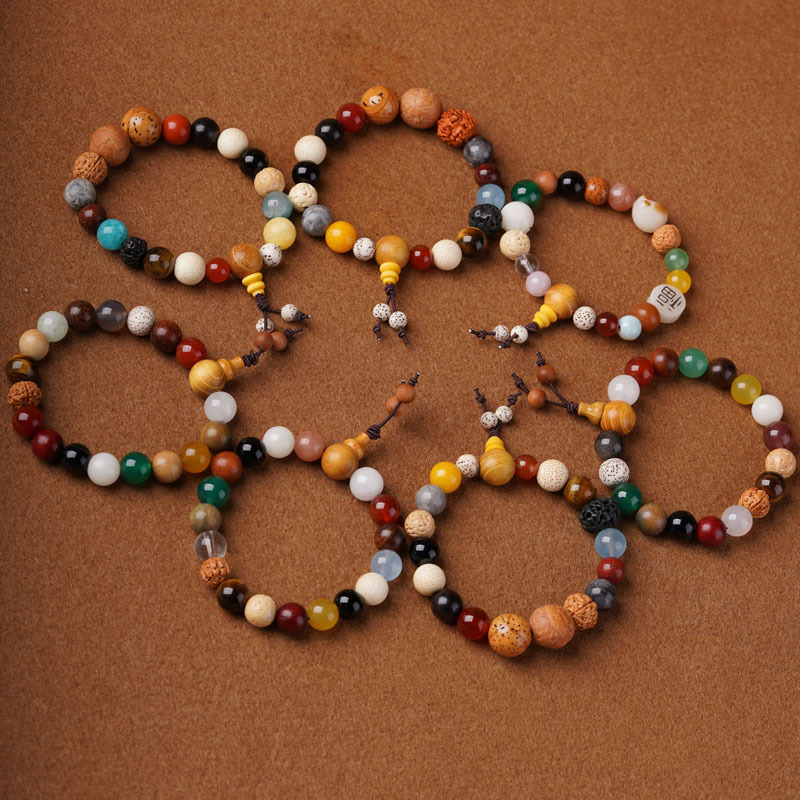
The bracelet industry spans a vast spectrum of price points, driven primarily by material selection. When designing or purchasing a bracelet, understanding how different materials affect both cost and long-term value becomes essential for manufacturers, retailers, and consumers alike. Material choices determine not only the initial investment but also durability, maintenance requirements, and perceived quality. The most successful bracelet manufacturers understand that cost efficiency does not mean choosing the cheapest option, but rather selecting materials that deliver optimal value within a specific market segment.
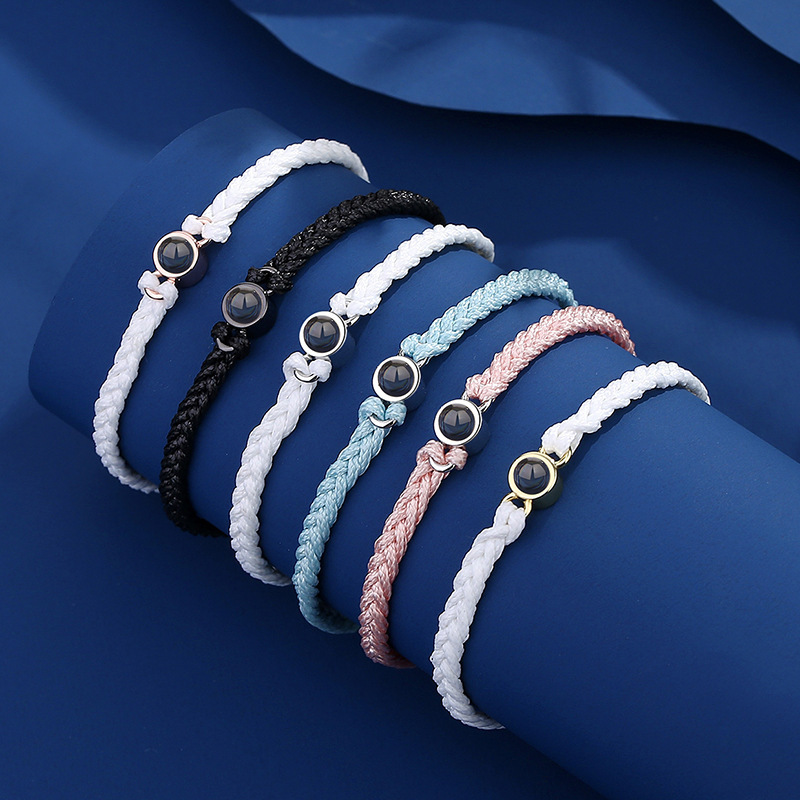
Every bracelet project requires strategic material evaluation. Material costs typically account for 40-60% of total production expenses, making this decision one of the most impactful on profitability and market competitiveness. Whether you are launching a new bracelet line, optimizing existing inventory, or seeking premium positioning, the material foundation shapes all downstream decisions including pricing strategy, target audience, supply chain logistics, and brand perception. This guide explores how specific material choices directly influence bracelet cost efficiency and help you make informed decisions aligned with your business objectives.
Understanding Core Material Categories for Bracelet Production
Precious Metals and Their Bracelet Value Proposition
Precious metals represent the traditional foundation for luxury bracelet offerings. Gold, silver, and platinum each carry distinct cost profiles that directly shape bracelet pricing and market positioning. A 14-karat gold bracelet demands significantly higher material investment than sterling silver, yet both materials deliver timeless appeal and proven resale value. When evaluating bracelet material choices, precious metals offer premium positioning but require careful sourcing to manage fluctuating commodity prices. The sustainability of precious metal sourcing also influences bracelet production costs, as certified ethical metals command premiums that transfer directly to the final bracelet price point.
Alternative Metals Reshaping the Bracelet Market
Stainless steel, titanium, and aluminum have revolutionized how manufacturers approach affordable bracelet production. These materials deliver exceptional durability while maintaining significantly lower material costs compared to traditional precious metals. A stainless steel bracelet offers water resistance, scratch resistance, and hypoallergenic properties that appeal to active consumers and those with sensitive skin. Titanium bracelets provide even greater strength-to-weight ratios, making them ideal for sports and adventure-focused market segments. The cost efficiency of alternative metals means manufacturers can produce durable bracelets at accessible price points while maintaining healthy profit margins. Many consumers now recognize that a well-crafted alternative-metal bracelet outperforms poorly-maintained precious metal options in terms of longevity and practical wearability.
Natural Materials and Their Impact on Bracelet Economics
Gemstone and Stone Integration in Bracelet Design
Natural stones significantly influence bracelet production costs and perceived value. Turquoise, lapis lazuli, amethyst, and jade each carry distinct sourcing challenges and material expense profiles that directly impact the final bracelet retail price. A bracelet featuring high-quality turquoise or lapis lazuli commands premium positioning due to material scarcity and aesthetic appeal, while more accessible stones like quartz offer cost-efficient alternatives without sacrificing visual impact. Bead quality consistency affects bracelet production efficiency, as sourcing uniform stones reduces waste and rework. Synthetic or lab-created stones provide manufacturers with predictable costs and consistent quality metrics, allowing them to produce high-volume bracelet lines with stable margins while maintaining design integrity.
Organic Materials and Sustainability Considerations
Wood, bone, coral, and shell have emerged as cost-efficient bracelet materials that appeal to environmentally conscious consumers. Sustainable sourcing practices for these materials require investment in certification and supply chain verification, which may increase initial bracelet production costs but justify premium positioning. A wooden bracelet or bone-beaded bracelet appeals to distinct market segments seeking natural aesthetics and eco-friendly credentials. These materials offer excellent cost efficiency when properly sourced, as they typically cost less than gemstones while delivering strong emotional resonance with modern consumers. However, organic material durability varies significantly, requiring manufacturers to develop protective finishing processes that add value and justify higher bracelet pricing without excessive material cost increases.
Manufacturing Processes and Material-Specific Efficiency Factors
Metal Finishing and Its Bracelet Cost Implications
The finishing process applied to any bracelet dramatically affects both material cost and perceived luxury. Polishing, brushing, plating, and coating each add processing expenses that multiply across production volume. A gold-plated bracelet made from base metal costs significantly less to produce than solid gold, yet customer satisfaction depends heavily on plating durability and thickness specifications. Rhodium plating on silver bracelets prevents tarnishing, reducing long-term customer maintenance complaints and improving brand perception, yet adds 15-25% to material and processing costs. When analyzing bracelet cost efficiency, manufacturers must balance initial savings against potential warranty claims, returns, and brand reputation damage from premature finish degradation.
Clasp and Hardware Selection in Bracelet Assembly
Often overlooked in material discussions, clasp and hardware quality dramatically affects overall bracelet reliability and cost structure. A cheap clasp on an otherwise premium bracelet creates customer dissatisfaction and returns, erasing margins gained from material savings elsewhere. Quality spring ring clasps, lobster clasps, or magnetic closures each carry distinct cost profiles and performance characteristics. The bracelet assembly process becomes more efficient when hardware is selected for manufacturability, reducing labor time and waste. Strategic sourcing of bracelet components from reliable suppliers ensures consistent quality and enables volume discounts that improve overall cost efficiency without visible compromise to the finished bracelet appearance or function.
Strategic Material Selection Framework for Bracelet Cost Optimization
Market Segment Alignment and Material Matching
Every successful bracelet brand strategically aligns material choices with target customer expectations and price tolerance. Luxury bracelet segments demand precious metals and premium gemstones regardless of cost efficiency, as perceived value drives purchasing decisions in these categories. Mass-market bracelet production benefits from alternative metals and durable synthetics that deliver impressive durability and aesthetics at accessible price points. A professional bracelet designed for corporate gifting requires different material specifications than a casual bracelet intended for fashion-conscious teenagers. When evaluating bracelet material options, manufacturers must first define their market position, understand competitor material strategies, and identify which material characteristics create competitive advantage within their specific segment.
Volume Production and Material Procurement Strategy
Bracelet production volume dramatically influences material cost negotiation power and efficiency. High-volume bracelet manufacturers can negotiate better rates on bulk metal purchases, securing 10-20% discounts compared to small-batch producers. Consistency in bracelet design and material specifications across multiple product lines enables manufacturers to build deeper supplier relationships and access preferential pricing. Working with single-source material suppliers for a bracelet collection reduces complexity and improves supply chain resilience, though it requires careful vendor evaluation to prevent vulnerabilities. Many successful bracelet companies develop tiered material specifications, using premium materials for flagship bracelet models while employing cost-efficient alternatives for volume-driving entry-level options, thereby optimizing overall profitability across their bracelet portfolio.
FAQ
How do material choices directly impact bracelet manufacturing timeline and delivery?
Certain bracelet materials require longer sourcing lead times and specialized handling that extend production schedules. Precious metals and certified gemstones involve longer procurement cycles compared to readily available alternative metals and synthetic stones. A bracelet manufacturer leveraging standard materials like stainless steel achieves faster turnaround and more predictable delivery schedules than one working with rare gemstones or specialty components. Understanding material availability and lead time implications helps bracelet businesses maintain realistic project timelines and customer delivery commitments while optimizing cash flow and inventory management.
Can customers distinguish quality differences between bracelet materials during initial purchase?
Most consumers can feel material differences, though aesthetic perception varies based on finish quality and design execution. A well-designed stainless steel bracelet may appear more luxurious than a poorly-finished gold bracelet when first examined. However, experienced buyers recognize weight, temperature, and surface characteristics that reveal material composition. The bracelet appearance and first-impression feel significantly influence purchasing decisions, making material selection and finishing quality critical to converting browsers into buyers. Educational content about bracelet materials helps customers understand value and justifies pricing across different material categories.
What material combinations work best for creating versatile, cost-efficient bracelet designs?
Hybrid bracelet designs combining alternative metal bases with selective gemstone accents deliver strong cost efficiency while maintaining premium appeal. A stainless steel bracelet with turquoise or lapis lazuli focal beads costs less than all-gemstone options while delivering visual impact comparable to luxury pieces. Mixing materials in bracelet design allows manufacturers to target multiple market segments from a single product platform, spreading fixed costs across larger volumes. The most successful hybrid bracelets use complementary materials where each component enhances the other aesthetically, creating cohesive designs that feel intentional rather than cost-driven.