
 EN


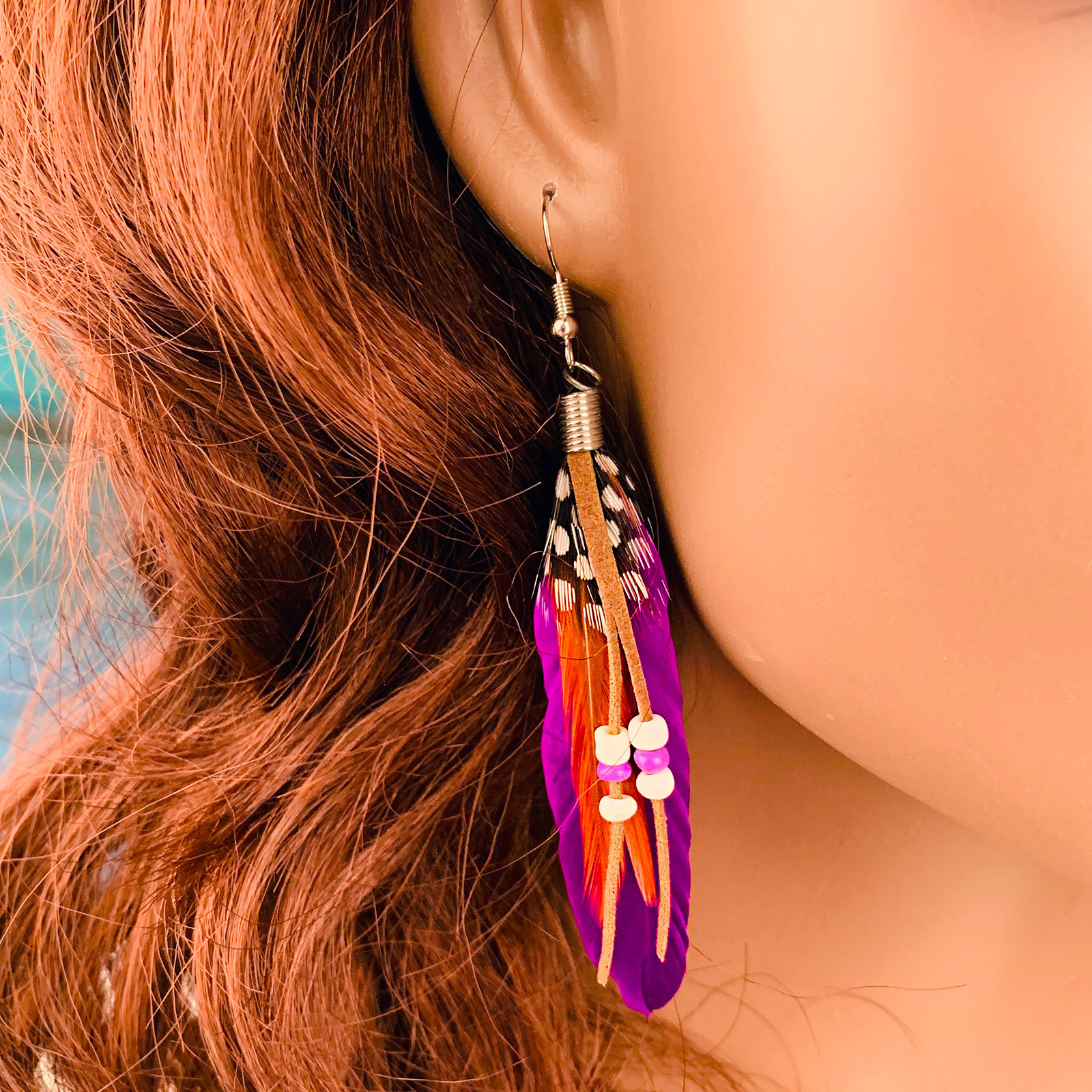
Mass producing earrings requires understanding multiple design constraints that directly impact quality, profitability, and manufacturability. The journey from concept to finished product involves navigating material limitations, production equipment capabilities, cost pressures, and market demands simultaneously. Every design decision for earrings affects tooling costs, assembly time, quality control procedures, and final pricing. Manufacturers of earrings must balance aesthetic appeal with practical production realities, and understanding these constraints helps both designers and producers make informed decisions that align business goals with manufacturing feasibility.
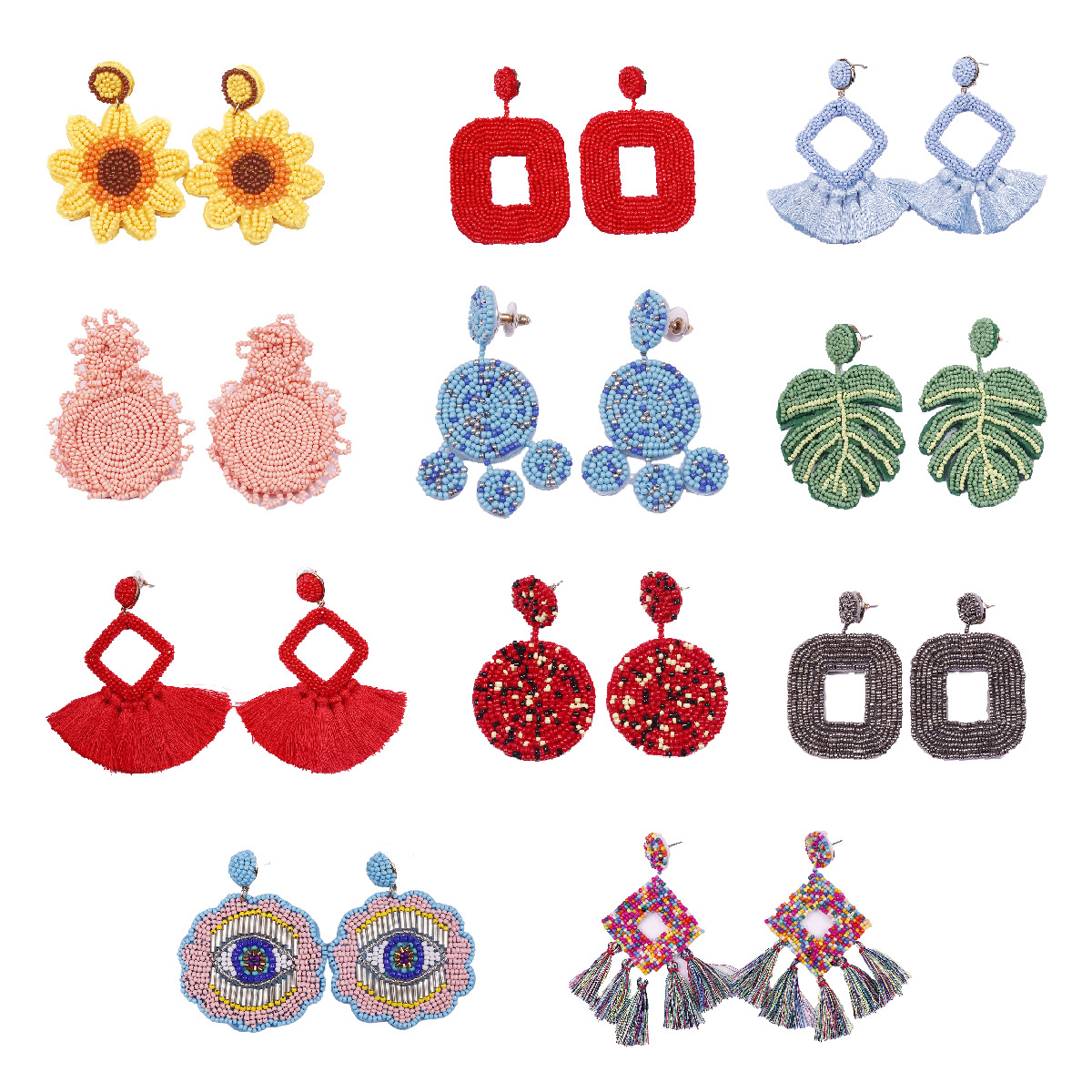
The production of earrings at scale introduces technical, operational, and economic pressures that individual craftspeople rarely face. When manufacturers produce earrings in quantities ranging from thousands to millions of units, design choices that seemed simple during concept phase become complex logistical challenges. Material sourcing, precision requirements, repeatability, and labor efficiency all converge to create a specific set of constraints that shape what earrings can realistically be produced. Understanding these constraints upfront prevents costly design revisions, production delays, and quality failures that damage brand reputation and profitability.
Material Selection and Supply Chain Constraints
Metal Alloy Limitations for Earrings Production
The metals used in earrings mass production must balance durability, cost, aesthetic appeal, and manufacturability. Stainless steel, surgical steel, titanium, and various gold alloys dominate the earrings market because they offer consistent supply, predictable mechanical properties, and established manufacturing processes. When designing earrings for mass production, material choice directly constrains which machining techniques, finishing methods, and assembly approaches become viable. Precious metals like solid gold present supply volatility and high cost per unit, making them less suitable for high-volume earrings than for limited edition pieces.
Alloy composition affects how earrings respond to stamping, casting, drilling, and polishing operations. Materials that work well for hand-crafted earrings may prove problematic in automated earrings production because they don't perform consistently across thousands of cycles. Supply chain disruptions, material price fluctuations, and lead time variability also constrain earrings design decisions. Designers must avoid requiring exotic or rare alloys unless market positioning justifies the supply chain risk and cost premium for earrings.
Surface Finish and Coating Considerations
The finish applied to earrings during mass production fundamentally constrains design complexity. Plating, anodizing, powder coating, and polishing all impose limitations on geometry, thickness, and material compatibility. Certain earrings designs require hand finishing, which eliminates mass production economics entirely. Complex textured surfaces on earrings may look attractive but create coating consistency problems across thousands of units, leading to unacceptable rejection rates. Manufacturers producing earrings at scale must design finishes that automation can apply uniformly, which naturally limits the visual variation and customization possible for mass-market earrings.
Manufacturing Equipment and Geometric Constraints
Precision and Tolerance Requirements for Earrings
Mass-produced earrings must maintain tight tolerances across large production runs, which directly shapes what geometries become feasible. CNC machines, stamping presses, and injection molding equipment all have inherent accuracy limits that constrain earrings design possibilities. Extremely thin geometric features, deep undercuts, or complex three-dimensional curves may exceed equipment precision capabilities, forcing design modifications for earrings to remain producible. The finer the required tolerance for earrings, the slower production speed becomes and the higher scrap rates climb, ultimately making such designs economically unviable for mass production.
Die wear in stamping operations means that earrings produced early in a production run may differ slightly from units produced after millions of impressions. This constraint forces earrings designers to specify tolerances realistic for the total production volume planned. Overly tight tolerance specifications for earrings increase costs dramatically without delivering proportional customer benefit, while loose tolerances cause aesthetic or functional failures that damage brand reputation.
Assembly Complexity in Earrings Manufacturing
Earrings that require hand assembly or complex multi-step joining cannot achieve true mass production economics. Each additional component, fastener, or assembly step for earrings adds labor cost, increases quality control complexity, and creates failure points. earrings designed for injection molding, stamping, or casting in a single operation keep assembly minimal and costs predictable. Manufacturers producing earrings must resist temptation toward elaborate multi-piece designs unless market positioning and pricing can absorb the assembly overhead.
Post-production assembly, stone setting, and closure mechanisms all constrain how quickly earrings move through production. An additional component requiring manual placement adds seconds per unit, which multiplies across millions of earrings to create significant labor cost. Design elegance should not require production complexity when simpler alternatives achieve similar aesthetic outcomes for earrings.
Cost Structure and Volume Economics
Tooling Costs and Minimum Order Quantities
The tooling investment required to produce earrings at scale creates a fundamental design constraint: the higher upfront tool cost, the larger the production volume must be to justify that investment. Custom dies for stamping earrings, injection molds for plastic or resin earrings, or casting molds for metal earrings all require significant capital expenditure. A design requiring expensive, custom tooling for earrings becomes viable only if management commits to producing tens of thousands of units. This constraint forces earrings designers to think in terms of expected sales volume before finalizing designs, ensuring manufacturing feasibility aligns with market demand.
Standardized components and simplified tooling reduce upfront cost but may limit design differentiation for earrings. Manufacturers must evaluate whether unique earrings designs justify their higher tooling costs compared to using existing dies or simpler geometries. The break-even point between custom tooling and simple designs varies by target market segment for earrings and production volume assumptions.
Per-Unit Cost Optimization
Once tooling is amortized across units, material consumption and labor efficiency determine per-unit cost for earrings. Designs requiring excess material waste or additional machining operations increase costs for each earrings unit produced. Nesting efficiency during cutting operations, scrap minimization, and labor time per earrings unit all constrain what designs become cost-competitive at retail price points. A design that looks acceptable with 15% material waste becomes problematic with 35% waste when multiplied across millions of earrings.
Automation capability also drives cost per unit for earrings production. Designs amenable to fully automated processes keep labor costs minimal, while designs requiring human intervention add cost that cannot scale down. Manufacturers producing earrings at volume must constantly evaluate whether design changes reduce per-unit costs enough to justify tooling modifications or retooling investments.
Quality Control and Consistency Constraints
Defect Detection and Variation Management
Mass production of earrings creates statistical quality challenges that hand production avoids. Thousands of earrings units flowing through production daily means defects multiply quickly if processes aren't tightly controlled. Color consistency, surface quality, dimensional accuracy, and finish uniformity all require robust quality control systems that themselves add cost. Earrings designs featuring minimal detail or high contrast between surfaces allow faster visual inspection, while complex textured or multi-color earrings demand more labor-intensive quality verification.
Variation in material properties, environmental conditions during production, and equipment drift all affect how consistent earrings appear across production runs. Designers must specify earrings designs with sufficient margin to accommodate normal process variation without exceeding customer expectations. Overly tight specifications force quality control to reject acceptable earrings, wasting material and increasing costs unnecessarily.
Aesthetic Consistency Across Production
Customers purchasing earrings expect each pair to match its counterpart visually and functionally. Mass production requires achieving this consistency for millions of earrings units, which constrains design complexity significantly. Intricate hand-painted details, naturally variable stone selections, or color gradations that vary by piece become problematic for earrings when customers expect uniformity. Designs featuring uniform colors, symmetrical geometry, and finishes producible through automated processes ensure visual consistency across earrings batches.
Symmetry requirements for earrings also constrain design possibilities. Each earring in a pair must precisely mirror its match, which automation handles well but complexity challenges. Mirror-image asymmetrical designs for earrings demand careful tooling and quality control to ensure accurate left-right matching across thousands of pairs.
FAQ
What are the primary material constraints affecting earrings mass production?
The primary material constraints for earrings mass production include supply chain reliability, cost consistency, and material performance in automated processes. Materials used for earrings must exhibit predictable behavior across thousands of production cycles, consistent surface properties for finishing, and stable pricing. Precious metals create supply volatility unsuitable for high-volume earrings, while commodity metals like stainless steel or surgical steel offer reliable supply chains and proven manufacturing processes for earrings at scale.
How do tooling costs constrain earrings design decisions?
Tooling costs create a direct relationship between design complexity and minimum viable production volume for earrings. Custom tooling for unique earrings designs requires larger production runs to amortize the upfront investment, while simpler designs using existing tooling reduce financial risk but may limit differentiation. Manufacturers must commit to specific earrings production volumes during design phase, ensuring designs selected remain economically viable for their intended market segment and sales forecasts.
Why does assembly complexity matter in earrings mass production?
Assembly complexity directly impacts labor costs, quality control overhead, and production speed for earrings. Each additional component, fastener, or assembly step adds seconds per earrings unit, which multiplies across millions of units to create substantial cost impact. Earrings designed for single-operation production keep assembly minimal, reduce failure points, and enable faster throughput. Complex multi-piece earrings designs sacrifice production efficiency and cost competitiveness unless market positioning justifies the overhead.