
 EN


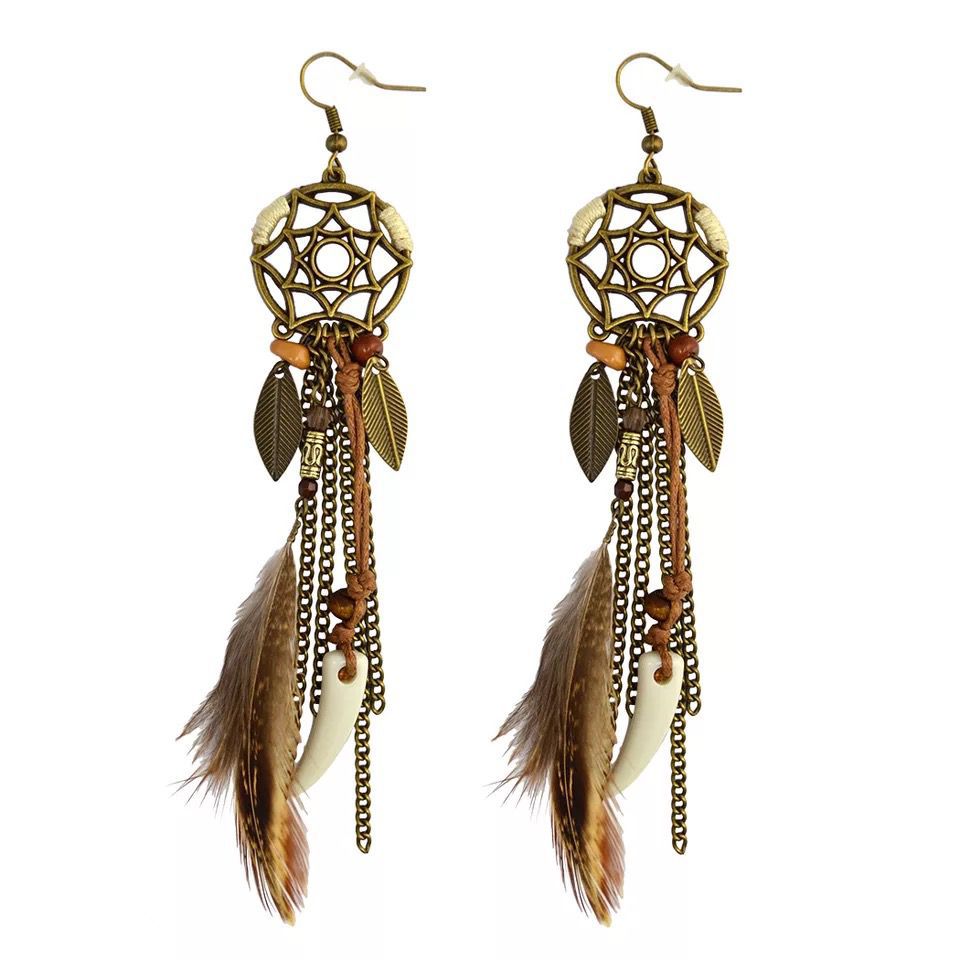
Wholesale earrings sourcing requires strict adherence to inspection standards that ensure product quality, safety, and compliance across global markets. When businesses purchase earrings in bulk quantities, they must establish rigorous protocols to verify that each batch meets regulatory requirements and customer expectations. Understanding the applicable inspection standards for earrings is essential for supply chain managers, procurement professionals, and retailers who depend on reliable wholesale suppliers.

The wholesale earrings market operates under multiple overlapping inspection frameworks that address material composition, manufacturing integrity, and consumer safety. These standards vary by destination market, metal type, and intended use, making it crucial for wholesale earrings buyers to understand which specifications apply to their specific shipments. Compliance failures in wholesale earrings inspection can result in shipment delays, product recalls, and significant financial losses.
Material Composition and Metal Testing Standards
Precious Metal Purity Requirements for Earrings
Wholesale earrings made from gold, silver, or platinum must meet strict purity standards that vary by market. In the United States, earrings labeled as '14K gold' must contain at least 585 parts per thousand pure gold, while '18K gold earrings' require 750 parts per thousand. These precious metal earrings undergo hallmarking verification and assay testing to confirm actual precious metal content. The inspection process for precious metal earrings includes X-ray fluorescence (XRF) testing, which provides non-destructive verification of metal composition without damaging the finished earrings.
European markets impose additional requirements on precious metal earrings through the European Hallmarking Convention. Gold earrings destined for EU markets must include proper hallmarks indicating fineness, maker's mark, and assay office mark. Silver earrings for wholesale distribution in Europe require compliance with 925 sterling silver standards or clear labeling of alternative compositions. Testing facilities specializing in precious metal earrings conduct systematic sampling from wholesale batches to verify compliance before products reach retail distribution channels.
Base Metal and Alloy Testing for Earrings
Many wholesale earrings utilize base metals and alloys that require distinct inspection protocols. Stainless steel earrings must meet specific grade standards, typically Grade 316L or 316LVM for higher-quality wholesale offerings. Nickel-plated or brass-based earrings face increasing regulatory scrutiny due to nickel sensitivity concerns among consumers. The inspection standards for nickel-containing earrings limit nickel release rates, with the EU Nickel Directive establishing specific migration limits that wholesale earrings must satisfy.
Copper-based earrings and alloy compositions undergo elemental analysis to confirm stated material specifications. Wholesale earrings manufacturers must provide material safety data sheets (MSDS) for all base metal components and document that finished earrings comply with applicable nickel restrictions. Plating thickness verification becomes critical for wholesale earrings with precious metal plating over base metals, as inadequate plating thickness causes rapid wear and tarnishing that compromises product quality.
Surface Finish and Manufacturing Quality Standards
Plating Thickness and Durability Testing
Gold-plated earrings and other plated wholesale earrings require rigorous testing to confirm plating thickness and adhesion quality. International standards specify minimum plating thicknesses for different categories of earrings: costume earrings typically require 0.5 micrometers, while fashion earrings demand 2.5 micrometers or greater. Inspection protocols for plated earrings include cross-section analysis and salt spray testing to simulate wear and environmental exposure. Wholesale earrings that fail adhesion tests show premature flaking or peeling, leading to customer returns and supply chain disruption.
The inspection standards for plated earrings incorporate accelerated wear testing through methods like taber abrasion testing, which simulates months of typical wearing in laboratory conditions. Wholesale earrings suppliers must demonstrate that their plated products withstand specified abrasion cycles without significant damage to the plating layer. Surface finish quality also encompasses verification that earrings have no sharp edges, cracks, or manufacturing defects that could injure wearers or compromise aesthetic appeal.
Post-Manufacturing Quality Assurance
Wholesale earrings undergo final quality inspections that verify dimensional accuracy, surface quality, and structural integrity. Inspection standards require that earrings match design specifications within defined tolerances for length, width, weight, and structural symmetry. Visual inspection of wholesale earrings identifies surface defects such as scratches, pits, discoloration, or incomplete finishing that render products unsuitable for retail sale. Post-manufacturing inspection of earrings includes functionality testing of closures, clasps, and attachment mechanisms to ensure proper operation before shipment.
Random sampling protocols for wholesale earrings shipments establish baseline quality metrics and identify manufacturing drift that could indicate process problems. Statistical process control methods applied to earrings batches allow inspectors to track trends and prevent continued production of substandard earrings. Documentation of inspection results creates audit trails that support quality claims and facilitate rapid problem resolution if retail customers report issues with received earrings.
Regulatory Compliance and Safety Certification
Lead and Cadmium Restrictions
Wholesale earrings sold in North America face strict limitations on lead and cadmium content, with the Consumer Product Safety Commission (CPSC) establishing maximum allowable levels for jewelry including earrings. Testing for lead content in earrings samples must confirm that total lead concentration does not exceed 100 ppm, with some state regulations imposing even stricter thresholds. Cadmium restrictions for earrings are equally stringent, with maximum concentrations typically set at 75 ppm or lower depending on jurisdiction. Wholesale earrings suppliers must provide certificates of analysis confirming compliance with these heavy metal restrictions before shipments clear customs.
The inspection standards for lead-free earrings apply particularly to costume earrings and products marketed for children or young adults. Zinc-based alloy earrings and other alternative materials popular in fashion earrings supply chains require comprehensive testing to confirm the absence of prohibited substances. Non-compliance with lead and cadmium restrictions results in immediate product seizure, mandatory recalls of affected earrings batches, and potential legal action against suppliers and importers.
Allergen Declaration and Hypoallergenic Earrings Standards
Hypoallergenic earrings represent a growing segment of wholesale earrings markets, with specific inspection standards defining what manufacturers can claim. True hypoallergenic earrings must be constructed from materials with documented low allergenic potential, typically surgical stainless steel, titanium, or solid precious metals. The inspection standards for hypoallergenic earrings require documentation that materials have undergone biocompatibility testing and contain no known allergens above specified thresholds. Wholesale earrings labeled as hypoallergenic but failing to meet these standards expose manufacturers to liability claims and regulatory action.
Nickel-allergic consumers comprise a significant portion of earrings purchasers in many markets, making allergen testing critical for wholesale earrings compliance. Inspection protocols for earrings include patch testing data or equivalent biocompatibility documentation that validates hypoallergenic claims. Clear allergen labeling on wholesale earrings packaging communicates material composition and potential sensitivities to retail customers, reducing adverse reactions and product returns.
FAQ
What specific inspection tests must wholesale earrings pass before shipping?
Wholesale earrings must pass multiple tests including precious metal purity verification through XRF testing, plating thickness measurement, heavy metal content analysis for lead and cadmium, salt spray corrosion testing, dimensional accuracy verification, and visual defect inspection. For hypoallergenic earrings, biocompatibility documentation and nickel release testing are also required. Manufacturers compile these test results into compliance certificates that accompany earrings shipments to importers and retailers.
Who establishes the inspection standards that apply to earrings?
Multiple organizations establish inspection standards for earrings, including the U.S. Consumer Product Safety Commission (CPSC), the European Union standards bodies, the American Society for Testing and Materials (ASTM), and various national government agencies. International standards organizations also develop specifications that manufacturers of wholesale earrings reference. The specific standards applicable to any earrings shipment depend on the destination market and product category.
How do wholesale earrings suppliers document compliance with inspection standards?
Wholesale earrings suppliers maintain detailed records including material certificates, test reports from accredited laboratories, inspection checklists, and compliance declarations. These documents are organized by production batch and made available to importers and retailers upon request. Third-party certification or audits of earrings manufacturing facilities provide additional assurance that suppliers consistently meet established inspection standards throughout production processes.