
 EN


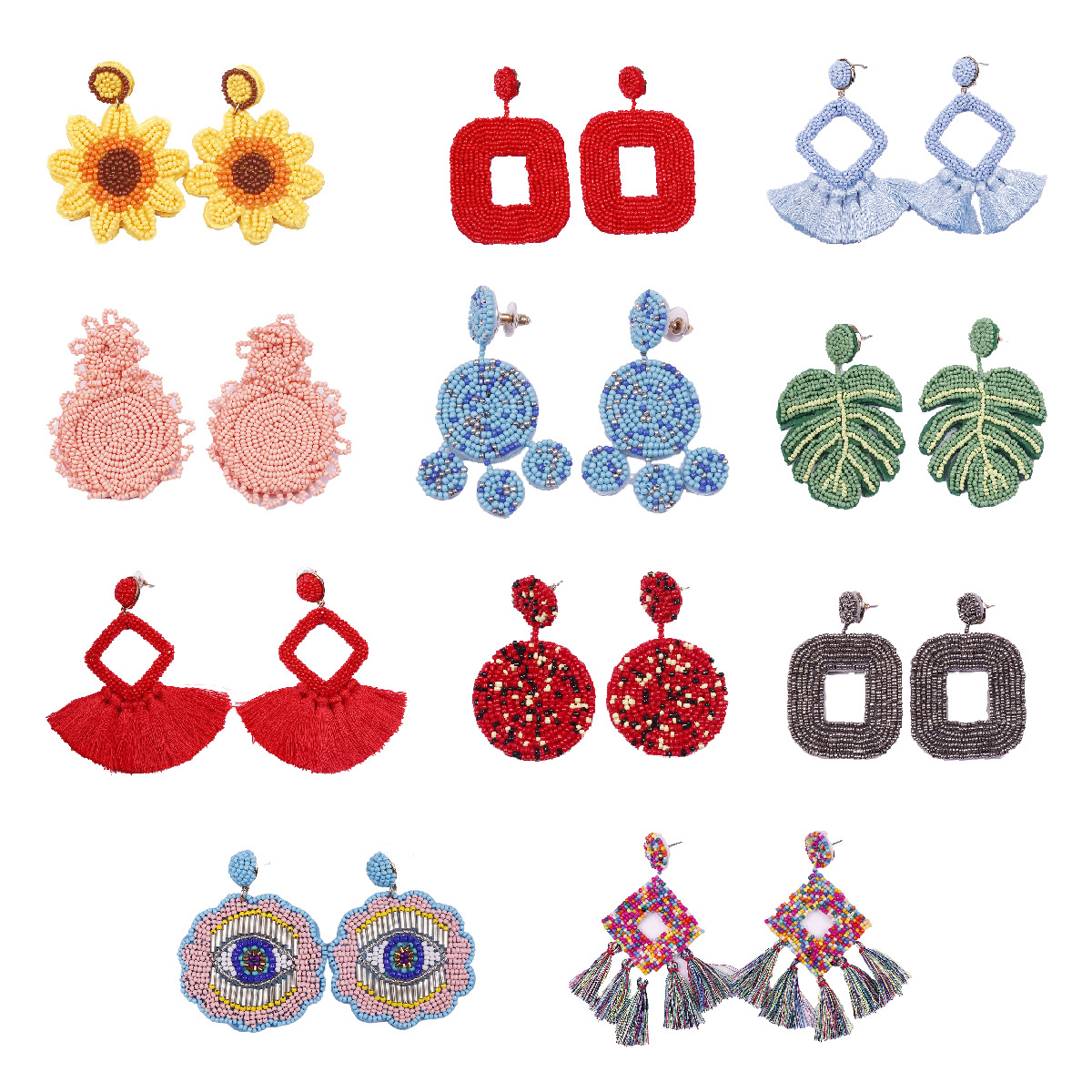
Customizing earrings offers a unique opportunity to create distinctive pieces that reflect personal style and brand identity. However, many manufacturers and artisans struggle with quality consistency when introducing customization into their production workflows. The challenge lies in balancing design flexibility with structural integrity, ensuring that custom earrings maintain the same durability standards as mass-produced counterparts. Understanding the relationship between customization processes and failure rates is essential for anyone looking to offer high-quality custom earrings without compromising reliability or customer satisfaction.
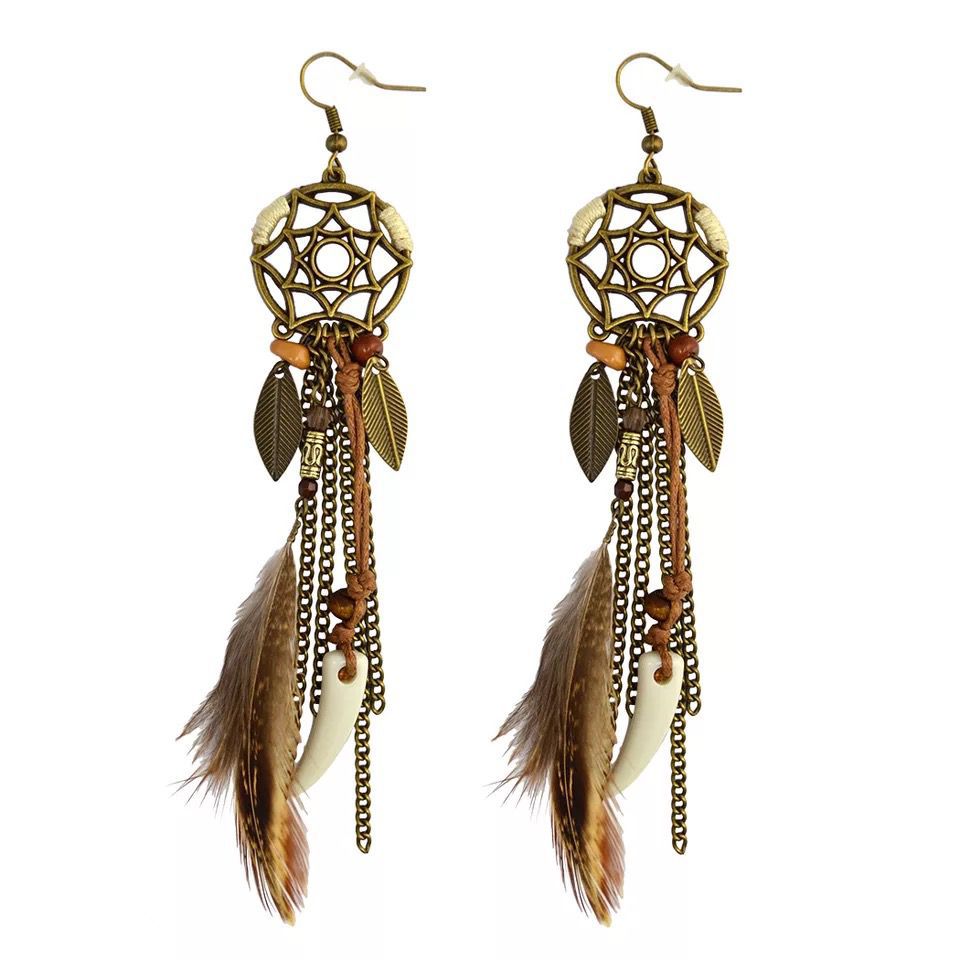
The key to successful customization lies in establishing robust design parameters, maintaining consistent material standards, and implementing rigorous quality control at every stage. When earrings are customized, each piece follows a unique specification that requires careful attention to weight distribution, attachment strength, and material compatibility. This article explores proven strategies for customizing earrings while keeping failure rates low and ensuring that every piece meets professional quality benchmarks.
Design Considerations for Durable Custom Earrings
Structural Load Analysis in Custom Earrings
When you customize earrings, the structural design becomes the foundation for durability. Weight distribution is critical because unbalanced earrings place uneven stress on the ear post and backing mechanism. Custom earrings must be engineered so that the visual elements do not exceed safe weight thresholds, typically 2 to 4 grams per piece depending on post material and design complexity. Failure to account for load distribution is one of the most common reasons custom earrings experience breakage or backing separation.
The geometry of custom earrings also influences how force transfers through the piece. Elongated or asymmetrical designs place greater strain on specific points, particularly at the connection between the dangle and the post. When you customize earrings with extended drops or wide surface areas, engineers must reinforce these stress points with thicker gauge materials or structural supports. Testing prototypes under simulated wear conditions helps identify weak points before full production begins.
Material Selection and Compatibility
Customizing earrings requires careful material pairing to ensure compatibility and prevent corrosion or degradation. When mixing metals, alloys, or stone materials in custom earrings, galvanic corrosion can occur at the interface between dissimilar materials. This process weakens the bond over time and increases failure rates significantly. Designers must select materials that have similar electrochemical properties or use protective barriers like rhodium plating between incompatible materials.
The base material for custom earrings should be chosen for both aesthetic appeal and durability. Surgical stainless steel, titanium, and solid gold are preferred choices because they resist corrosion and maintain structural integrity over extended wear periods. When you customize earrings with gemstones, beads, or resins, the adhesive systems must be appropriate for both the stone material and the metal base. Using epoxy designed specifically for jewelry applications ensures that stones stay securely bonded even with daily wear.
Manufacturing Processes That Minimize Failure in Custom Earrings
Precision Assembly Workflows for Custom Earrings
The assembly process is where many custom earrings encounter quality issues that lead to later failure. When you customize earrings through bead stringing, welding, or adhesive bonding, each technique requires specific operational parameters to ensure consistency. Hand-assembled custom earrings benefit from detailed work instructions, quality checkpoints between steps, and worker training on proper technique. Double-checking connections before final assembly prevents backing separations and post cracking that emerge after the customer receives the piece.
Automated or semi-automated assembly for high-volume custom earrings production reduces variability in joint strength and connection quality. When you customize earrings using fixturing systems that hold components in precise positions during soldering or adhesive curing, the resulting bonds are more uniform and reliable. Implementing in-process inspection after critical steps—such as post attachment or stone setting—catches defects early before they propagate through the production line.
Curing, Setting, and Finishing Protocols
Custom earrings require adequate curing time for adhesives or epoxy to reach full strength before they enter service. Rushing the curing process to speed up production is a primary cause of premature failure in custom earrings. Manufacturers should follow material specifications precisely, using appropriate temperature and humidity conditions during the curing window. Undercured adhesives fail under ear movement and body heat, leading to stone loss or component separation within weeks of wear.
The finishing stage is equally important when you customize earrings. Polishing, coating, or sealing operations must not compromise the integrity of attachment points or adhesive joints. If electroplating is applied to custom earrings, the plating process should avoid areas where components connect, as plating solutions and electrical currents can weaken bonds. Protective masking during finishing steps ensures that critical joints remain uncompromised.
Quality Control Systems for Custom Earrings Production
Testing Protocols for Custom Earrings Durability
Systematic testing is essential when you customize earrings and want to maintain low failure rates. Pull tests on earring posts should verify that they can withstand at least 500 grams of sustained force without deformation or separation. Abrasion testing simulates months of ear wear and friction against skin and hair, revealing whether surface coatings or color treatments remain stable. Drop tests from 1 meter height onto hard surfaces show whether custom earrings survive accidental impact without components breaking or separating.
Water and humidity exposure testing is crucial for custom earrings that customers will wear during bathing or outdoor activities. Saltwater immersion tests identify corrosion vulnerability, while humidity chamber tests reveal adhesive degradation over time. When you customize earrings with gemstones or sensitive materials, thermal cycling tests—moving pieces between hot and cold environments—reveal material expansion mismatches that cause cracking or separation.
Documentation and Traceability in Custom Earrings Manufacturing
Maintaining records for each custom earrings design variant helps manufacturers identify which modifications lead to quality issues. When you customize earrings, tracking the specific materials, adhesives, and assembly techniques used for each piece enables rapid root-cause analysis if failures occur. Documentation systems should capture design specifications, material lot numbers, assembly dates, and test results so that defect patterns become visible quickly.
Traceability in custom earrings production creates accountability and enables targeted improvements. If a particular stone supplier's materials are causing adhesive failures in custom earrings, switching suppliers based on documented evidence prevents future issues. When you customize earrings with multiple design options, maintaining design files with approved parameters ensures consistency across production batches and prevents costly rework.
FAQ
What causes custom earrings to fail during normal wear?
Custom earrings typically fail due to inadequate adhesive bonding at connection points, material incompatibility between metals or stones, insufficient curing time, or design flaws that concentrate stress in weak areas. When earrings are customized without structural analysis, weight imbalances can cause repeated stress at the post attachment, leading to backing separation or post cracking. Poor material selection, such as pairing incompatible metals without protective barriers, enables corrosion that weakens bonds over time. Implementing proper design review, material testing, and curing protocols prevents most common failure modes in custom earrings.
How does customization affect earrings production timeline and quality?
Customization introduces variability that can either extend timelines or improve quality, depending on how processes are designed. When you customize earrings with structured workflows, design templates, and pre-validated components, production remains efficient while maintaining quality standards. However, rushed customization without proper testing or quality checkpoints leads to higher failure rates and customer dissatisfaction. Investing in upfront design validation, standardized assembly procedures, and in-process inspection allows custom earrings to achieve quality parity with mass-produced pieces while meeting individual customer specifications.
Can handmade custom earrings match the durability of factory-produced earrings?
Yes, handmade custom earrings can match or exceed factory durability when artisans follow rigorous quality standards and use appropriate materials and techniques. The advantage of handmade custom earrings is the ability to inspect every piece individually and adjust assembly methods as needed. When you customize earrings through skilled hand assembly, techniques like wire wrapping or hand soldering can create stronger connections than some automated processes if performed by experienced craftspeople. The key is implementing consistent quality protocols, using high-grade materials, allowing adequate curing time, and testing samples regularly. Handmade custom earrings succeed when craftsmanship is paired with systematic quality control rather than treating customization as an excuse to skip standard checks.