
 EN
EN



The assembly method employed in creating seed bead earrings serves as the foundational determinant of their overall quality, durability, and aesthetic appeal. Professional jewelers and artisans understand that the specific techniques used to connect, secure, and arrange seed beads directly influence the longevity of the finished piece, its resistance to wear, and its visual impact. Each assembly approach brings distinct advantages and challenges that ultimately affect how well seed bead earrings maintain their structural integrity and appearance over time.
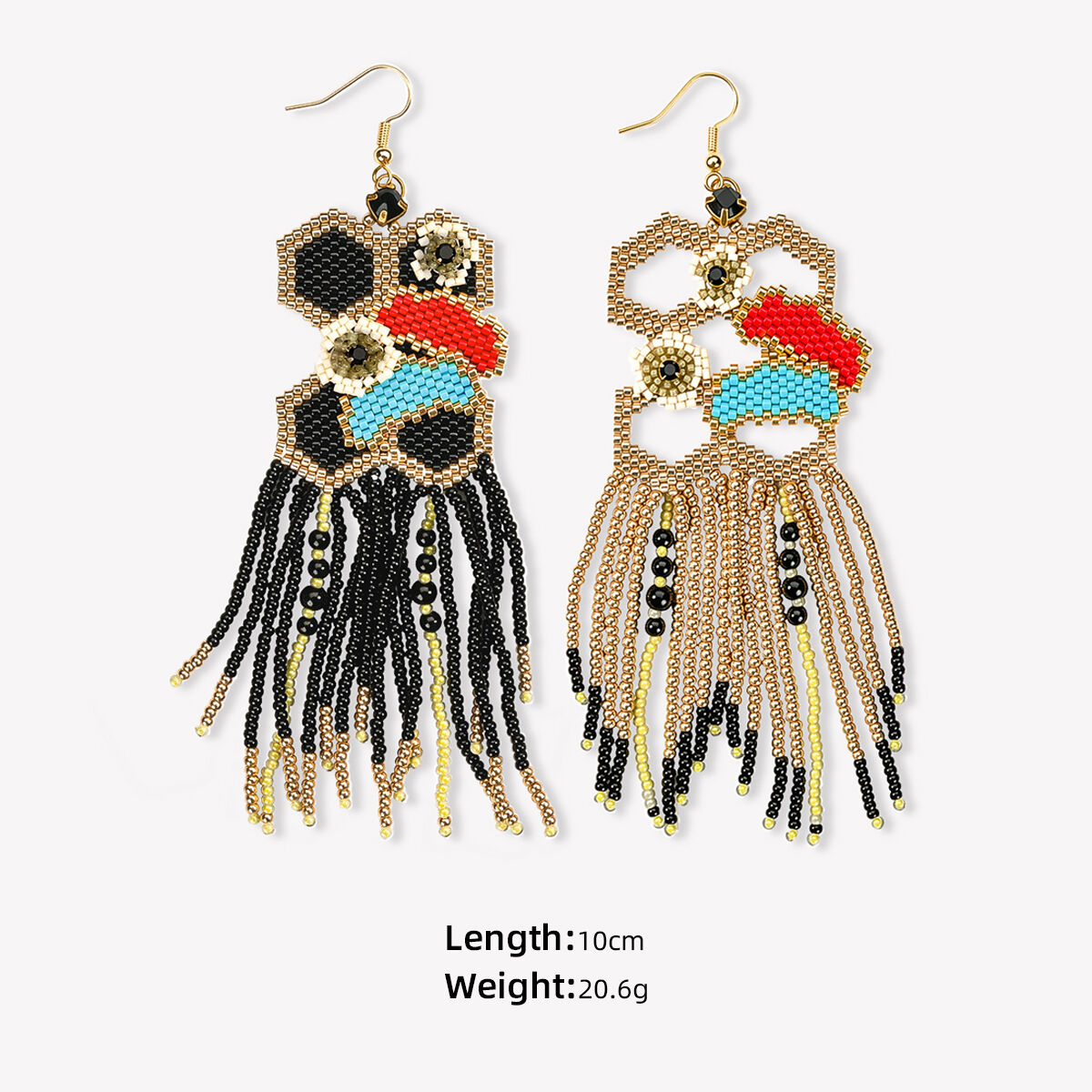
Understanding the relationship between assembly methodology and quality outcomes enables both artisans and consumers to make informed decisions about construction standards and expected performance. The threading patterns, securing mechanisms, tension distribution, and finishing techniques all contribute to the final quality profile of seed bead earrings, making assembly method selection a critical factor in achieving desired quality benchmarks and customer satisfaction levels.
Threading Techniques and Structural Integrity
Single Thread vs Multiple Thread Systems
Single thread assembly represents the most straightforward approach to creating seed bead earrings, where individual beads are strung consecutively on a single strand of thread or wire. This method offers simplicity in construction and allows for smooth, flowing bead arrangements that create elegant draping effects. However, single thread systems inherently carry higher risk factors for complete structural failure, as a single point of thread breakage can result in total bead loss. The quality implications of this approach include reduced durability under stress conditions and increased vulnerability to wear at connection points.
Multiple thread systems, conversely, distribute structural load across several parallel strands, significantly enhancing the overall strength and reliability of seed bead earrings. This assembly method involves threading beads onto multiple strands simultaneously or creating reinforced sections where high-stress areas receive additional thread support. The quality benefits include improved resistance to breakage, better weight distribution, and enhanced longevity even under regular wear conditions. Professional jewelers often prefer multiple thread systems for seed bead earrings intended for frequent use or those featuring heavier bead loads.
Threading Material Selection Impact
The choice of threading material fundamentally affects both the assembly process and the resulting quality of seed bead earrings. Traditional silk threads offer excellent flexibility and natural feel but may stretch over time and prove susceptible to moisture damage. Modern synthetic threads like Nymo or FireLine provide superior strength and consistency but require careful tension management to prevent cutting through delicate seed beads during assembly.
Wire-based assembly methods using memory wire or beading wire create distinctly different quality characteristics in seed bead earrings. Wire systems offer exceptional shape retention and eliminate the stretching concerns associated with thread-based assembly. However, wire materials can create stress points at bead holes and may cause chipping or cracking in lower-quality seed beads. The assembly method must account for wire gauge compatibility with seed bead hole sizes to ensure smooth threading without compromising bead integrity.
Tension Control and Bead Positioning
Proper tension management during assembly directly correlates with the final quality and appearance of seed bead earrings. Excessive tension can stress individual beads beyond their structural limits, leading to cracking or thread cutting through bead holes. Insufficient tension results in loose, gappy arrangements that compromise the visual density and professional appearance of the finished piece. Skilled artisans develop precise tension techniques that maintain optimal bead spacing while preserving the structural integrity of both beads and threading materials.
Consistent bead positioning throughout the assembly process ensures uniform appearance and professional finishing quality in seed bead earrings. This requires systematic approaches to bead orientation, particularly when working with slightly irregular seed beads that may have variations in hole placement or overall shape. Quality assembly methods incorporate techniques for maintaining alignment consistency while accommodating the natural variations inherent in seed bead production.
Connection Methods and Durability Factors
Traditional Knotting Techniques
Knotting represents one of the most time-tested methods for securing seed bead earrings and preventing complete bead loss in case of thread failure. Strategic knot placement creates multiple containment zones that limit the spread of potential damage while maintaining the flexibility and movement characteristics desired in quality earring designs. Professional knotting techniques require precise placement to avoid creating visible bulk that detracts from the refined appearance expected in high-quality seed bead earrings.
The frequency and positioning of knots significantly impact both the security and aesthetic qualities of the finished pieces. Too many knots can create a stiff, segmented appearance that reduces the natural flow and movement of the earrings. Too few knots compromise the protective function and may allow extensive bead loss if thread failure occurs. Quality assembly methods establish optimal knotting patterns based on earring length, bead weight, and intended use patterns to achieve the best balance between security and visual appeal.
Crimp and Clamp Securing Systems
Metal crimp beads and clamps offer mechanical securing solutions that eliminate the bulk and visibility concerns associated with traditional knotting methods. When properly sized and applied, crimp systems create virtually invisible connection points that maintain the clean lines and professional appearance expected in quality seed bead earrings. However, crimp application requires specialized tools and techniques to ensure proper compression without damaging the threading material or creating sharp edges that could cut through threads over time.
The material and quality of crimp components directly influence the long-term reliability of seed bead earrings assemblies. Base metal crimps may corrode or weaken over time, while precious metal options provide superior longevity but increase material costs. The assembly method must account for proper crimp sizing relative to thread gauge to ensure secure compression without creating stress concentrations that could lead to premature failure.
Welded and Soldered Connections
For seed bead earrings incorporating wire elements or metal findings, welded and soldered connections represent the highest strength assembly option available. These permanent joining methods create molecularly bonded connections that eliminate mechanical failure modes associated with mechanical fasteners or adhesive systems. However, the heat requirements for welding and soldering can damage nearby seed beads, requiring careful thermal management and protective techniques during assembly.
Quality considerations for welded connections include joint strength, visual appearance, and compatibility with the overall design aesthetic of the seed bead earrings. Proper flux selection and temperature control prevent oxidation and ensure clean, strong joints that maintain their integrity under normal wear conditions. The assembly sequence must accommodate the thermal requirements while protecting completed bead work from heat damage.
Finishing Methods and Surface Quality
Thread End Securing and Concealment
The method used to secure and conceal thread ends significantly impacts both the durability and professional appearance of completed seed bead earrings. Visible thread ends or inadequate securing can create quality concerns that detract from the overall value perception of the finished piece. Professional finishing techniques incorporate multiple redundant securing methods that ensure long-term reliability while maintaining clean, polished aesthetics.
Thread burning and melting techniques offer permanent securing solutions that eliminate bulk while creating strong end points. However, synthetic thread materials require careful temperature control to prevent excessive melting that could damage nearby beads or create brittle connection points. Quality assembly protocols establish specific procedures for thread end finishing that account for material characteristics and proximity to heat-sensitive components.
Surface Treatment and Protection
Surface treatments applied during the assembly process can significantly enhance the durability and appearance retention of seed bead earrings over their service life. Protective coatings can prevent threading material degradation while maintaining flexibility and movement characteristics. However, coating selection must consider compatibility with both thread materials and seed bead surface treatments to prevent adverse chemical interactions.
The timing of surface treatment application within the assembly sequence affects both coating effectiveness and overall quality outcomes. Pre-assembly treatments may interfere with threading operations, while post-assembly applications might not penetrate adequately to critical stress areas. Quality assembly methods incorporate surface treatment protocols that optimize protection while maintaining manufacturing efficiency and consistency.
Quality Control Integration
Systematic quality control measures implemented throughout the assembly process ensure consistent outcomes and early detection of potential issues in seed bead earrings production. Inspection checkpoints at key assembly stages allow for corrective action before substantial work investment, reducing waste and maintaining quality standards. These checkpoints typically include thread tension verification, bead alignment confirmation, and connection integrity testing.
Documentation of assembly parameters and quality metrics enables continuous improvement in production methods and helps identify optimal techniques for specific seed bead earrings designs. This systematic approach builds a knowledge base that supports consistent quality achievement across different production runs and design variations.
Design Integration and Assembly Optimization
Pattern Complexity and Assembly Challenges
Complex bead patterns in seed bead earrings present unique assembly challenges that directly impact final quality outcomes. Intricate designs may require specialized threading sequences, multiple working threads, or staged assembly approaches that maintain pattern integrity while ensuring structural soundness. The assembly method must accommodate design complexity without compromising the durability or reliability expected in quality jewelry pieces.
Multi-dimensional patterns and sculptural elements in seed bead earrings require advanced assembly techniques that support three-dimensional structures while maintaining flexibility for comfortable wear. These approaches often involve wire armatures, shaped supports, or graduated tension systems that distribute structural loads appropriately throughout the design. Quality considerations include maintaining pattern definition while ensuring adequate flexibility and movement characteristics.
Color Transition and Bead Selection Integration
Smooth color transitions and gradient effects in seed bead earrings depend on precise bead selection and placement during assembly. The assembly method must accommodate sorting and positioning requirements while maintaining efficient workflow and consistent tension management. Quality outcomes depend on systematic approaches to bead preparation and organized assembly sequences that prevent color mixing errors.
Bead size variations within seed bead earrings designs require adaptive assembly techniques that accommodate dimensional differences while maintaining pattern consistency and structural integrity. These methods often involve tension adjustments, selective positioning, or specialized threading techniques that compensate for size variations without creating visible irregularities in the finished pieces.
Hardware Integration and Attachment Methods
The integration of ear wires, posts, or other hardware components represents a critical quality factor in seed bead earrings assembly. The connection method between beadwork and hardware must provide secure, durable attachment while maintaining design proportions and wearing comfort. Quality assembly techniques establish secure mechanical connections that distribute stress loads appropriately and resist loosening under normal wear conditions.
Hardware selection and sizing compatibility affect both assembly efficiency and final quality in seed bead earrings production. Proper gauge matching between hardware and threading materials ensures secure connections without creating stress concentrations. The assembly sequence must accommodate hardware installation without compromising completed beadwork or creating assembly constraints that affect final quality.
FAQ
How does thread choice affect the assembly quality of seed bead earrings?
Thread choice significantly impacts assembly quality through strength characteristics, flexibility properties, and compatibility with assembly techniques. High-quality synthetic threads like Nymo or FireLine provide consistent diameter, superior strength, and resistance to stretching that maintains tension integrity over time. Natural threads like silk offer excellent drape and flexibility but may require more frequent replacement due to wear and environmental sensitivity. The assembly method must match thread characteristics to design requirements and expected wear conditions.
What assembly methods provide the best durability for everyday wear seed bead earrings?
Multiple thread systems combined with strategic crimping or knotting provide optimal durability for everyday wear seed bead earrings. This approach distributes stress loads across multiple strands while providing multiple failure barriers that prevent complete bead loss. Wire-based assembly using flexible beading wire offers excellent durability but may reduce drape and movement characteristics. Quality assembly protocols incorporate redundant securing methods and stress distribution techniques that accommodate regular handling and movement.
How do different assembly methods affect the repair and maintenance requirements of seed bead earrings?
Assembly methods directly influence repair complexity and maintenance requirements through the accessibility of connection points and the extent of disassembly required for repairs. Knotted assemblies typically require complete restringing for repairs but contain damage to specific sections. Crimped assemblies may allow localized repairs but require specialized tools and replacement components. Wire-based systems often resist minor damage but may require complete replacement if structural failure occurs. Quality assembly methods balance initial durability with practical repair considerations.
What quality indicators should be evaluated when assessing seed bead earrings assembly methods?
Key quality indicators include thread tension consistency, connection security, bead alignment uniformity, and finishing completeness. Properly assembled seed bead earrings exhibit smooth bead transitions, secure end points, and consistent spacing throughout the design. Connection points should show no visible gaps, fraying, or stress concentration signs. Quality assembly methods produce consistent outcomes that meet durability expectations while maintaining design integrity and wearing comfort over extended use periods.
Table of Contents
- Threading Techniques and Structural Integrity
- Connection Methods and Durability Factors
- Finishing Methods and Surface Quality
- Design Integration and Assembly Optimization
-
FAQ
- How does thread choice affect the assembly quality of seed bead earrings?
- What assembly methods provide the best durability for everyday wear seed bead earrings?
- How do different assembly methods affect the repair and maintenance requirements of seed bead earrings?
- What quality indicators should be evaluated when assessing seed bead earrings assembly methods?