
 EN
EN



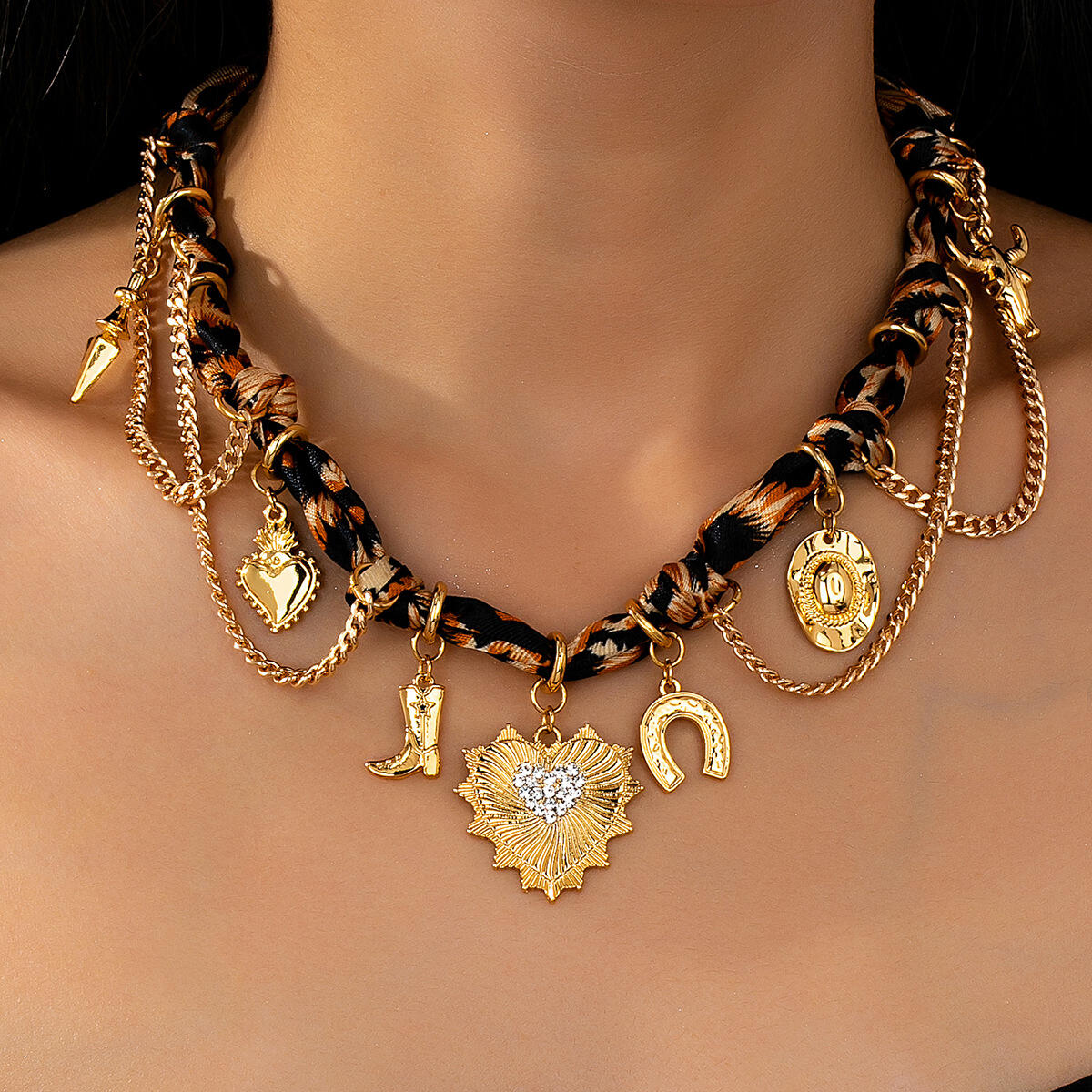
When purchasing handmade copper jewelry, understanding quality standards becomes crucial for making informed decisions that ensure both aesthetic appeal and durability. Unlike mass-produced jewelry, handmade copper jewelry requires specific evaluation criteria that reflect the artisan's skill, material authenticity, and construction techniques that directly impact the piece's longevity and value.
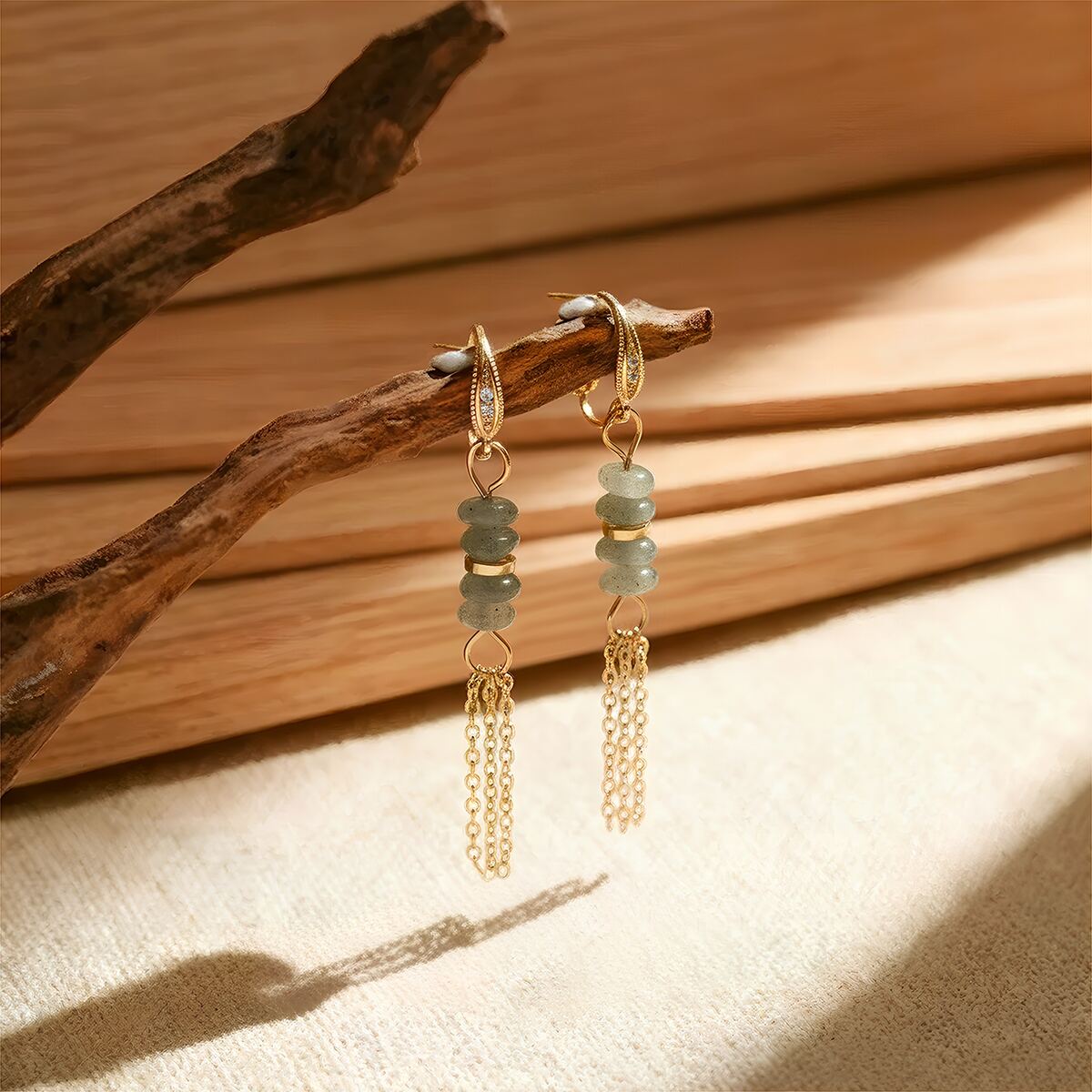
The quality standards for handmade copper jewelry encompass multiple dimensions, from material purity and finish consistency to craftsmanship details that distinguish authentic artisan work from inferior alternatives. These standards serve as essential guidelines that help buyers identify pieces worthy of investment while avoiding common pitfalls that lead to disappointing purchases and premature wear.
Material Purity and Copper Grade Standards
Understanding Copper Content Classifications
The foundation of quality handmade copper jewelry lies in the copper content and grade used during creation. Pure copper jewelry typically contains 99.9% copper content, offering the best malleability for intricate handmade designs while providing the characteristic reddish-brown coloration that copper enthusiasts value. However, many quality handmade copper jewelry pieces incorporate copper alloys that enhance durability without compromising the essential copper characteristics.
Artisan jewelers often use C110 grade copper for handmade copper jewelry due to its excellent workability and consistent properties. This grade maintains high copper content while offering sufficient strength for detailed craftsmanship. Buyers should inquire about copper grades when evaluating handmade pieces, as this information indicates the artisan's commitment to material quality and transparency in their creation process.
Quality handmade copper jewelry should display uniform color throughout the piece, indicating consistent copper content and proper alloy mixing if applicable. Variations in color or unusual discoloration often signal inferior copper grades or contamination during the crafting process, which can affect both appearance and durability over time.
Identifying Authentic Copper Versus Copper-Plated Alternatives
Authentic handmade copper jewelry differs significantly from copper-plated alternatives in both quality and longevity. Solid copper pieces develop natural patina over time, creating unique character that enhances their handmade appeal. This patination process occurs gradually and evenly across the surface, producing the distinctive green-blue oxidation that many collectors appreciate as a quality indicator.
Testing methods for authentic copper content include observing the weight of handmade copper jewelry pieces, as solid copper provides substantial heft compared to plated alternatives. Additionally, authentic copper responds to magnetic testing by showing no magnetic attraction, while some plated pieces may contain ferrous base metals that exhibit magnetic properties.
Quality artisans typically provide material certifications or detailed descriptions of their copper sources, demonstrating commitment to authentic materials. Handmade copper jewelry creators who invest in quality materials usually emphasize these details in their product descriptions, helping buyers make informed decisions about material authenticity and expected performance characteristics.
Craftsmanship and Construction Quality Indicators
Evaluating Handwork Precision and Technique
The craftsmanship quality of handmade copper jewelry becomes evident through examination of construction details that reflect the artisan's skill level and attention to precision. Quality handwork displays consistent spacing in decorative elements, smooth transitions between different sections, and uniform thickness throughout the piece. These characteristics indicate proper planning and execution during the creation process.
Soldering quality represents a critical craftsmanship indicator for handmade copper jewelry, as proper joint construction ensures structural integrity and longevity. Quality soldering appears seamless and smooth, without visible gaps, excess material, or discoloration that suggests overheating during assembly. Professional artisans use appropriate flux and temperature control to achieve clean, strong joints that enhance rather than detract from the overall design.
Surface finishing consistency throughout handmade copper jewelry pieces demonstrates skilled craftsmanship and quality control during creation. Whether featuring hammered textures, polished surfaces, or oxidized finishes, quality pieces maintain uniform appearance without random scratches, dents, or finishing inconsistencies that suggest rushed or careless work practices.
Assessing Structural Integrity and Durability Features
Structural integrity evaluation focuses on how well handmade copper jewelry withstands normal wear conditions while maintaining its intended appearance and functionality. Quality construction includes appropriate wire gauge selection for different components, ensuring that delicate elements receive adequate support while maintaining design aesthetics. Undersized components often lead to premature failure and repair requirements.
Connection points in handmade copper jewelry require particular attention during quality assessment, as these areas experience the greatest stress during normal use. Quality artisans reinforce critical connection points through proper sizing, strategic placement, and sometimes additional support elements that distribute stress loads effectively throughout the piece.
Flexibility testing helps evaluate the durability of handmade copper jewelry by gently manipulating moveable elements to assess their resistance to deformation or breakage. Quality pieces exhibit appropriate flexibility for their design while maintaining structural stability under reasonable stress conditions. Excessive stiffness or unexpected flexibility often indicates material or construction issues that affect long-term durability.
Surface Treatment and Finish Quality Standards
Protective Coating Application and Consistency
Surface treatments for handmade copper jewelry serve both aesthetic and protective functions, requiring consistent application to achieve optimal performance and appearance. Quality protective coatings prevent unwanted oxidation while allowing controlled patina development when desired. Professional artisans apply these treatments evenly, avoiding streaks, bubbles, or missed areas that compromise protection effectiveness.
Clear protective coatings on handmade copper jewelry should appear invisible when properly applied, enhancing the natural copper appearance without creating artificial shine or color distortion. Quality coatings maintain their protective properties through normal handling while remaining removable for future maintenance or refinishing requirements. Permanent coatings often indicate lower quality approaches that limit future care options.
Lacquer and wax applications require specific techniques to achieve professional results on handmade copper jewelry surfaces. Quality applications show no brush marks, uneven coverage, or accumulated buildup in design details. These finishes should enhance the handmade character while providing practical protection against environmental factors that accelerate unwanted copper degradation.
Oxidation Control and Patina Management
Controlled oxidation processes create distinctive patina effects that enhance the visual appeal of handmade copper jewelry while demonstrating the artisan's technical expertise. Quality patination appears intentional and uniform, following design patterns that complement the overall aesthetic rather than appearing random or accidental. Professional patination techniques produce stable colors that resist further unwanted changes during normal use.
Patina stability testing involves observing how handmade copper jewelry maintains its intended appearance under various environmental conditions. Quality patinated pieces resist color bleeding onto skin or clothing while maintaining their designed appearance through reasonable exposure to moisture, oils, and handling. Unstable patina often indicates improper application techniques or inadequate neutralization processes.
Natural aging characteristics of handmade copper jewelry provide quality indicators through observation of how pieces develop over time. Quality copper work ages gracefully, developing character through use while maintaining structural integrity and design clarity. Poor quality pieces often show rapid degradation, uneven aging patterns, or premature failure of protective treatments that affect both appearance and wearability.
Design Complexity and Artistic Merit Evaluation
Technical Skill Demonstration Through Design Elements
The complexity level of handmade copper jewelry designs often reflects the artisan's technical skill and experience with copper working techniques. Quality pieces demonstrate mastery through successful execution of challenging elements such as intricate wirework, precise stone settings, or complex geometric patterns that require advanced planning and execution skills. These technical achievements indicate serious craftsmanship commitment.
Wire manipulation techniques in handmade copper jewelry reveal important quality indicators through examination of curves, spirals, and connection methods. Quality wirework shows consistent tension, smooth curves without kinks or flat spots, and secure connections that integrate seamlessly with overall design elements. Poor wire techniques often create weak points that compromise both aesthetics and durability.
Stone setting quality in handmade copper jewelry requires evaluation of security, alignment, and integration with surrounding design elements. Quality settings protect stones from damage while maintaining visual harmony with copper components. Professional settings show no sharp edges, gaps, or misalignment that suggests rushed work or inadequate planning during the creation process.
Originality and Design Innovation Assessment
Original design concepts in handmade copper jewelry distinguish quality artisan work from mass production copying or simple technique repetition. Quality designs show creative problem-solving, innovative use of copper properties, and personal artistic vision that creates unique aesthetic experiences. These characteristics indicate serious artistic development and commitment to craft advancement.
Design proportion and balance evaluation helps identify quality handmade copper jewelry through observation of how different elements work together to create visual harmony. Quality pieces demonstrate understanding of design principles, appropriate scaling of elements, and thoughtful composition that enhances rather than competes with copper's natural beauty. Poor proportioning often creates visual tension that detracts from overall appeal.
Innovation in copper working techniques often distinguishes quality handmade copper jewelry from conventional approaches, showing the artisan's commitment to developing their craft and exploring copper's potential. Quality innovations enhance functionality, durability, or aesthetic appeal while maintaining respect for traditional copper working principles that have proven effective over time.
Value Assessment and Price Quality Correlation
Understanding Fair Pricing for Quality Standards
Price evaluation for handmade copper jewelry requires understanding the relationship between material costs, time investment, and skill level required for quality construction. Quality pieces typically command higher prices due to material selection, construction time, and artisan expertise that contribute to superior durability and aesthetic appeal. Extremely low prices often indicate compromised quality standards or mass production techniques.
Labor time calculations help buyers understand appropriate pricing for handmade copper jewelry by considering the complexity and time requirements for quality construction. Intricate pieces requiring multiple techniques, extensive hand finishing, or complex assembly processes justify higher prices through their increased time investment and skill requirements. Quality artisans typically provide realistic pricing that reflects their actual time investment.
Market comparison strategies help buyers evaluate whether handmade copper jewelry pricing aligns with quality standards by examining similar pieces from multiple artisans. Quality pieces often cluster within specific price ranges that reflect material and labor costs, while significantly lower prices may indicate quality compromises. Buyers should investigate pricing discrepancies to understand their potential impact on quality standards.
Long-term Value Considerations and Investment Perspective
Durability projection for handmade copper jewelry influences long-term value through consideration of construction quality, material selection, and maintenance requirements. Quality pieces often provide superior long-term value through extended lifespan, maintained appearance, and reduced replacement needs. Investment in quality standards typically produces better cost-per-wear ratios than lower quality alternatives.
Maintenance requirements vary significantly between quality levels of handmade copper jewelry, affecting long-term ownership costs and satisfaction. Quality pieces typically require less frequent maintenance, respond better to cleaning and care procedures, and maintain their appearance through normal use patterns. Poor quality pieces often require excessive maintenance or suffer irreversible damage that compromises their long-term value.
Resale potential for handmade copper jewelry depends heavily on initial quality standards, artisan reputation, and construction durability. Quality pieces from skilled artisans often maintain value better than mass-produced alternatives, particularly when accompanied by proper care and maintenance throughout their ownership period. Quality documentation and artisan information enhance resale potential for discriminating buyers.
FAQ
How can I verify the copper content in handmade copper jewelry?
Verify copper content through weight testing, magnetic testing, and color consistency examination. Authentic copper feels substantial, shows no magnetic attraction, and displays uniform coloration throughout the piece. Request material certifications from artisans when available, and observe how the piece develops patina over time as an authenticity indicator.
What red flags should I watch for when buying handmade copper jewelry?
Watch for unusually low pricing, inconsistent finishing, poor soldering quality, and vague material descriptions. Avoid pieces with visible gaps in joints, uneven patination, excessive flexibility or stiffness, and missing artisan information. Quality handmade copper jewelry should demonstrate consistent craftsmanship throughout all visible areas.
How do I distinguish between handmade and machine-made copper jewelry?
Handmade copper jewelry shows subtle irregularities that indicate human craftsmanship, while machine-made pieces display perfect uniformity. Look for slight variations in texture, spacing, and finishing that reflect hand techniques. Tool marks, creative problem-solving evidence, and unique design elements typically indicate authentic handmade construction.
What maintenance should quality handmade copper jewelry require?
Quality handmade copper jewelry requires minimal maintenance consisting of gentle cleaning with appropriate solutions and occasional protective treatment renewal. Well-made pieces resist tarnishing, maintain structural integrity through normal wear, and respond well to standard copper care procedures without requiring frequent professional maintenance or repair services.