
 EN
EN



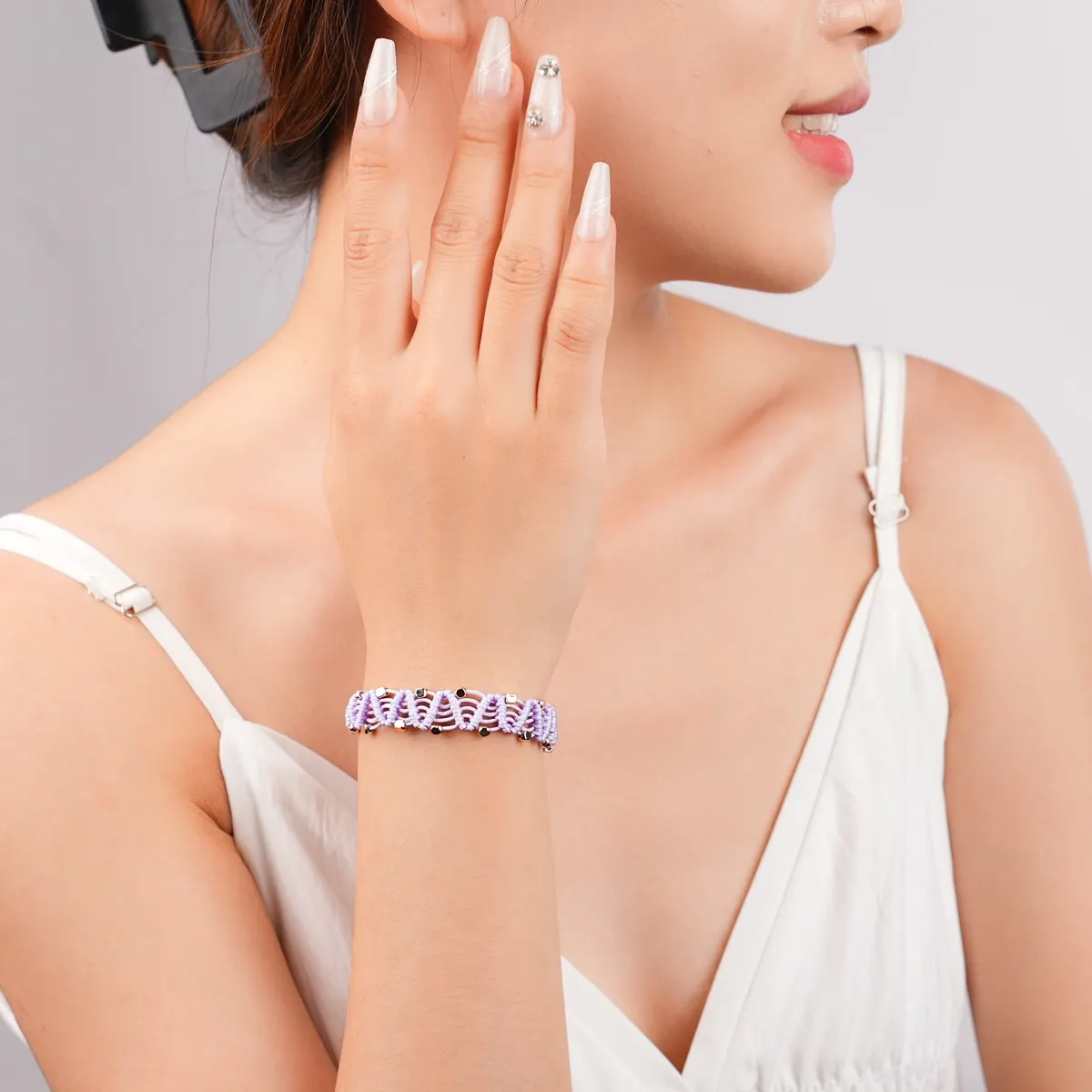
The longevity of macrame jewelry fundamentally depends on the intricate relationship between knot construction and material stress distribution. Each knot type creates unique tension patterns that determine how well the piece withstands daily wear, environmental factors, and mechanical stress. Understanding these structural dynamics helps artisans create more durable pieces and helps consumers make informed purchasing decisions about their handcrafted accessories.
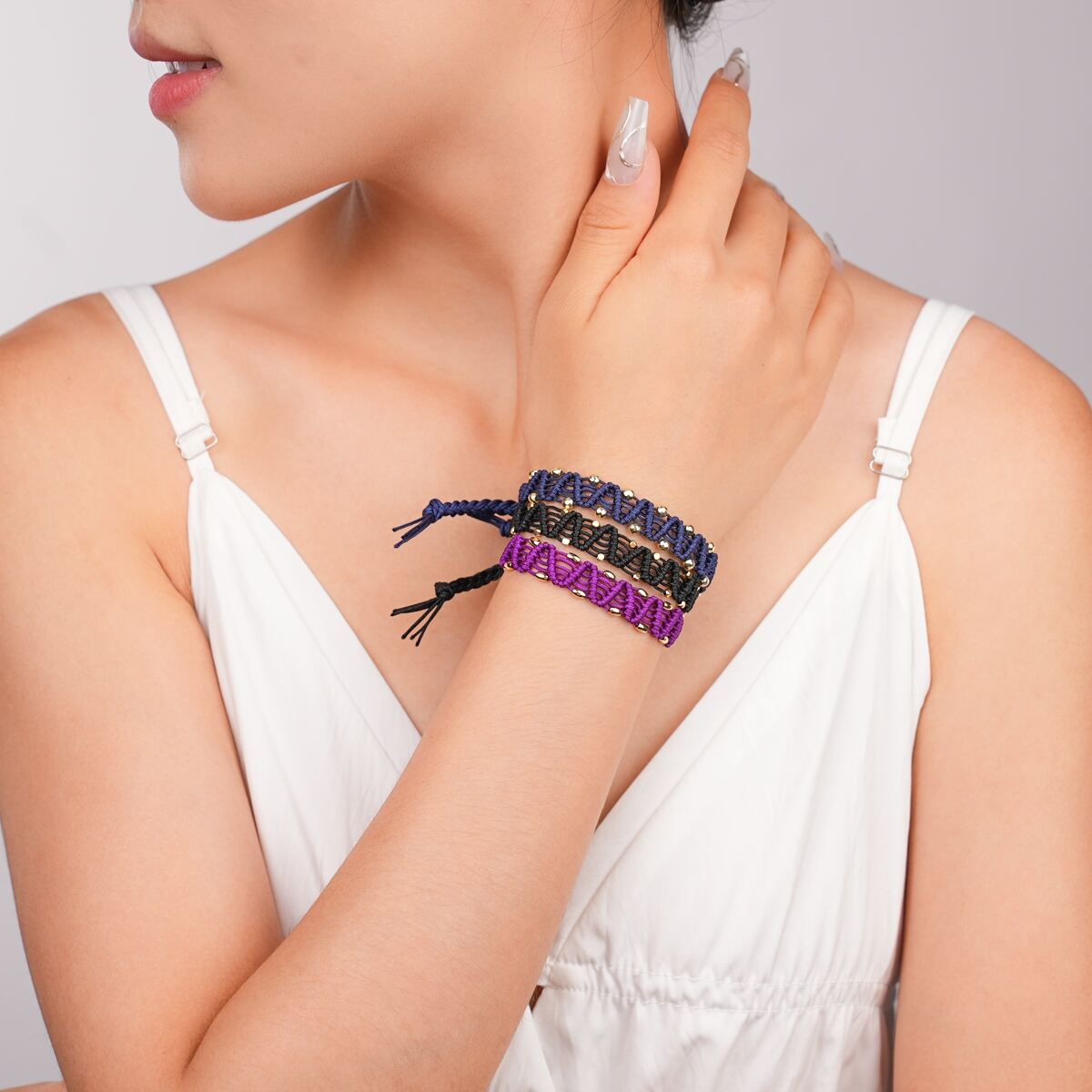
The structural integrity of macrame jewelry emerges from the complex interplay between knot density, cord material properties, and the geometric arrangement of knots within the overall design. Different knot configurations create varying levels of mechanical advantage, with some designs naturally resisting loosening while others may gradually weaken under repetitive stress. This knowledge becomes crucial when selecting or creating pieces intended for frequent wear, as the knot structure directly influences both aesthetic appeal and practical longevity.
Fundamental Knot Types and Their Durability Characteristics
Square Knot Foundations in Macrame Construction
Square knots form the backbone of most macrame jewelry designs due to their inherent stability and resistance to loosening under tension. The alternating left-over-right and right-over-left pattern creates a self-locking mechanism that distributes stress evenly across multiple contact points. This distribution prevents any single point from bearing excessive load, which significantly reduces the likelihood of catastrophic failure during normal wear.
The durability advantage of square knots becomes particularly evident in bracelet and necklace applications where the jewelry experiences constant flexing and movement. Each complete square knot cycle creates four distinct contact zones that share mechanical stress, making the overall structure more resilient than single-pass knots. Additionally, the flat profile of square knots minimizes snag points that could catch on clothing or other objects, reducing accidental stress concentrations.
Proper square knot tension plays a critical role in maximizing durability benefits. Knots tied too loosely may gradually shift and loosen over time, while excessive tightness can create stress concentrations that weaken the cord material at knot intersections. Experienced artisans develop an intuitive feel for optimal tension that balances security with material preservation, ensuring that macrame jewelry maintains its structural integrity throughout extended wear periods.
Half Hitch Variations and Tension Management
Half hitch knots offer exceptional holding power in macrame jewelry applications, particularly when used in repetitive sequences that create compound locking effects. The simple overhand pattern of half hitches allows for rapid construction while building cumulative strength through multiple iterations. Each successive half hitch increases the total friction surface area, making it progressively more difficult for the knot sequence to slip or unravel under load.
The asymmetric nature of half hitch knots creates directional strength characteristics that can be strategically leveraged in jewelry design. When oriented properly, half hitches resist loosening forces that occur during normal jewelry movement, while remaining relatively easy to untie when deliberate disassembly is required. This directional preference makes half hitch sequences particularly valuable in adjustable clasp mechanisms and sliding closure systems.
Double half hitch combinations provide enhanced security for critical connection points in macrame jewelry, such as pendant attachments and clasp interfaces. The second half hitch reverses the spiral direction of the first, creating a more balanced stress distribution that reduces the tendency for the knot sequence to twist under load. This configuration proves especially valuable in pieces that incorporate heavier elements like metal beads or stone pendants that could otherwise create uneven tension patterns.
Material Properties and Knot Performance Interactions
Natural Fiber Characteristics in Knotted Structures
Natural fiber cords used in macrame jewelry exhibit unique mechanical properties that significantly influence how different knot structures perform over time. Cotton, hemp, and linen fibers contain natural elasticity that allows knots to settle and tighten gradually during initial wear periods, often resulting in improved holding power as the piece develops a wear pattern. This settling behavior contrasts sharply with synthetic materials that maintain consistent dimensional properties but may not achieve the same degree of knot consolidation.
The surface texture of natural fibers creates enhanced friction between cord segments within knot structures, contributing to improved knot security compared to smooth synthetic alternatives. Hemp fibers, in particular, feature naturally occurring surface irregularities that mechanically interlock when placed under tension, creating a self-reinforcing effect that strengthens knot structures over time. This property makes hemp an excellent choice for macrame jewelry designs that rely primarily on knot friction for structural integrity.
Moisture absorption characteristics of natural fibers introduce both benefits and challenges for macrame jewelry durability. While moderate humidity can cause natural fibers to swell slightly, increasing knot tightness and security, excessive moisture exposure may lead to fiber degradation and reduced tensile strength. Understanding these moisture interactions helps inform proper care procedures and storage recommendations for maintaining optimal knot performance throughout the jewelry's service life.
Synthetic Cord Behavior Under Knot Stress
Synthetic cords used in macrame jewelry construction exhibit consistent mechanical properties that enable predictable knot performance across varying environmental conditions. Nylon and polyester materials maintain stable dimensions regardless of humidity levels, ensuring that knot tension remains constant over time without the settling behavior characteristic of natural fibers. This consistency proves valuable for precision applications where exact cord length and knot spacing are critical design elements.
The low friction coefficient of many synthetic materials requires careful consideration of knot selection and construction techniques to achieve adequate holding power. Smooth synthetic cords may require additional wraps or more complex knot configurations to achieve the same security level that natural fibers provide with simpler knot patterns. However, this same smooth surface property reduces wear at knot contact points, potentially extending the overall service life of synthetic macrame jewelry.
Heat sensitivity of synthetic materials creates specific durability considerations for macrame jewelry exposed to elevated temperatures during wear or storage. Nylon and polyester can experience permanent deformation when exposed to temperatures that would not affect natural fibers, potentially altering knot geometry and reducing holding power. Understanding these thermal limitations helps inform design decisions about synthetic cord selection for specific jewelry applications and wear environments.
Stress Distribution Patterns in Different Knot Configurations
Load Path Analysis in Complex Knot Networks
Complex macrame jewelry designs create intricate load path networks where stress flows through multiple interconnected knot junctions before reaching anchor points. Understanding these load paths becomes crucial for predicting failure modes and optimizing design durability. Primary load paths typically follow the most direct geometric routes between stress application points, while secondary paths provide redundancy that maintains structural integrity even if individual knots fail.
Knot intersection points often represent critical stress concentration zones where multiple cord segments converge under varying tension levels. The geometric arrangement of these intersections determines whether stress concentrations develop gradually or create sharp discontinuities that could initiate failure. Well-designed macrame jewelry distributes major intersections throughout the structure rather than clustering them in high-stress regions where they could compound loading effects.
The elastic properties of cord materials influence how stress waves propagate through knot networks during dynamic loading events such as sudden jerks or impacts. Elastic cords can absorb and distribute these transient loads across multiple knots, reducing peak stress levels at individual connection points. Conversely, inelastic materials may concentrate dynamic loads at the first knot encountered, potentially leading to localized failures that propagate through the network.
Geometric Stress Concentration Effects
Sharp angle transitions in macrame jewelry knot patterns create stress concentration zones where material failure is most likely to initiate under excessive loading. The severity of these concentrations depends on both the angle of direction change and the radius of curvature at knot bends. Gradual curves distribute stress more evenly than sharp corners, making rounded knot profiles generally more durable than angular configurations for equivalent loading conditions.
Asymmetric knot arrangements can create uneven stress distributions that lead to premature failure of specific cord segments while others remain lightly loaded. Symmetric knot patterns typically provide more balanced load sharing, extending the overall service life of macrame jewelry by utilizing the full strength capacity of all cord elements. However, intentionally asymmetric designs may be used strategically to create controlled failure modes that protect more critical structural elements.
The scale relationship between knot size and cord diameter significantly influences stress concentration effects within macrame jewelry structures. Oversized knots relative to cord diameter can create excessive bending radii that stress the cord beyond its elastic limit, leading to permanent deformation or fiber damage. Conversely, undersized knots may not provide sufficient bearing surface area, creating pinch points that concentrate stress over small contact zones.
Environmental Factors and Long-Term Knot Stability
Humidity and Temperature Effects on Knot Integrity
Cyclical humidity changes create expansion and contraction cycles in natural fiber macrame jewelry that gradually affect knot tightness and overall structural stability. During high humidity periods, natural fibers absorb moisture and swell, causing knots to tighten and potentially creating additional stress at cord intersections. Subsequent drying periods cause fiber contraction that may leave knots looser than their original configuration, potentially compromising their holding power over multiple cycles.
Temperature variations affect both the dimensional stability of cord materials and the mechanical properties of existing knot structures. Elevated temperatures can reduce the tensile strength of many organic materials while simultaneously increasing their flexibility, altering the balance between knot security and cord durability. Cold temperatures typically have the opposite effect, increasing material brittleness while potentially making knots more difficult to adjust or retighten if loosening occurs.
Rapid environmental transitions, such as moving from air-conditioned indoor spaces to humid outdoor conditions, can create differential expansion rates between different cord segments within the same piece. These differential effects may place additional stress on knot structures as they attempt to accommodate varying dimensional changes throughout the jewelry's construction. Understanding these effects helps inform design strategies for macrame jewelry intended for diverse environmental conditions.
Chemical Exposure and Material Degradation
Exposure to skin oils, perfumes, lotions, and other cosmetic products can gradually degrade the surface properties of macrame jewelry cords, affecting knot friction and holding power over time. Natural fibers may become brittle or lose their surface texture when exposed to certain chemicals, reducing the mechanical interlocking that contributes to knot security. Synthetic materials generally show better resistance to chemical exposure but may still experience surface changes that affect knot performance.
Ultraviolet radiation from sunlight exposure represents a significant long-term durability concern for macrame jewelry, particularly pieces constructed from natural fibers or certain synthetic materials. UV degradation weakens cord tensile strength and may cause color changes that affect the aesthetic appeal of finished pieces. Knot structures concentrate UV exposure at cord intersection points where multiple layers create shadowing effects that can lead to uneven degradation patterns.
Salt exposure from perspiration or marine environments can accelerate corrosion processes in any metal elements incorporated into macrame jewelry while simultaneously affecting the hygroscopic behavior of natural fiber cords. Salt crystals that form during evaporation cycles can create abrasive particles within knot structures, gradually wearing away cord fibers at high-friction contact points. This abrasive wear typically manifests as a gradual reduction in cord diameter at critical knot locations rather than sudden catastrophic failure.
FAQ
What knot types provide the best durability for everyday macrame jewelry wear?
Square knots and double half hitch combinations offer superior durability for daily wear applications due to their self-locking characteristics and even stress distribution. Square knots resist loosening under repetitive loading while double half hitches provide excellent holding power at connection points. These knot types work particularly well with natural fiber cords that develop improved friction over time through normal wear patterns.
How does cord material choice affect knot longevity in macrame jewelry?
Natural fibers like hemp and cotton provide excellent knot security through surface texture and gradual settling behavior, but may be more susceptible to environmental degradation. Synthetic materials offer consistent performance and chemical resistance but require more complex knot configurations to achieve equivalent holding power. The optimal choice depends on intended wear frequency, environmental exposure, and maintenance preferences.
Can loose knots in macrame jewelry be retightened without compromising structural integrity?
Most macrame jewelry knots can be carefully retightened if loosening occurs gradually through normal wear. However, sudden loosening may indicate cord damage or improper initial construction that could compromise long-term durability. Retightening should be performed gently to avoid creating new stress concentrations, and any signs of fiber damage or fraying should be addressed through professional repair or replacement.
How do I identify when knot degradation threatens the safety of my macrame jewelry?
Warning signs include visible fraying at knot intersections, noticeable loosening of previously secure knots, changes in knot shape or profile, and any visible thinning of cord diameter at stress points. Additionally, if the jewelry feels less secure during normal handling or shows signs of uneven wear patterns, professional inspection is recommended to assess structural integrity and determine whether repair or replacement is necessary.
Table of Contents
- Fundamental Knot Types and Their Durability Characteristics
- Material Properties and Knot Performance Interactions
- Stress Distribution Patterns in Different Knot Configurations
- Environmental Factors and Long-Term Knot Stability
-
FAQ
- What knot types provide the best durability for everyday macrame jewelry wear?
- How does cord material choice affect knot longevity in macrame jewelry?
- Can loose knots in macrame jewelry be retightened without compromising structural integrity?
- How do I identify when knot degradation threatens the safety of my macrame jewelry?