
 EN
EN



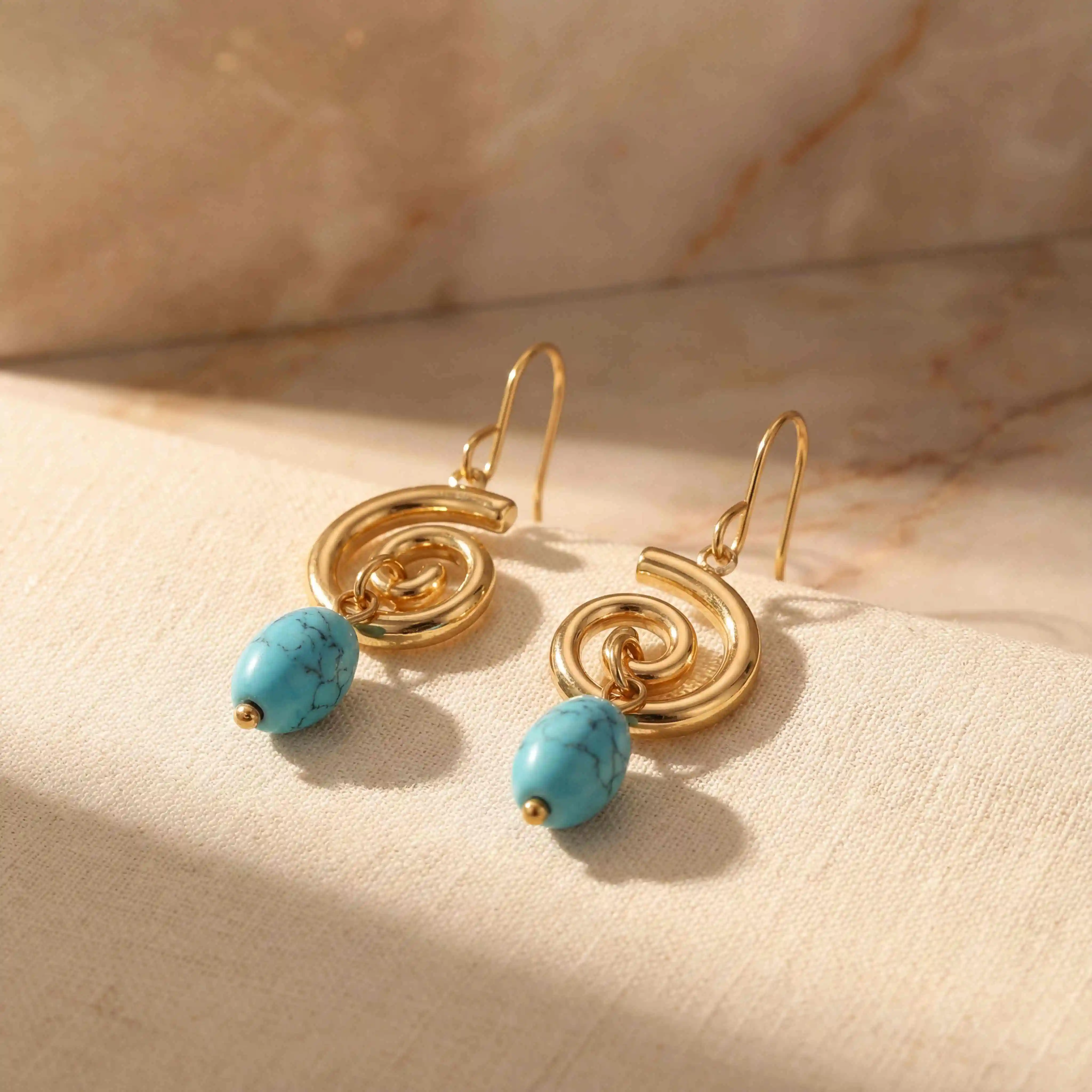
The remarkable surge in stainless steel jewelry demand across multiple market sectors reflects its unique combination of durability, affordability, and aesthetic versatility. From fashion-forward consumers seeking hypoallergenic accessories to industrial professionals requiring functional yet stylish pieces, the applications driving demand for stainless steel jewelry span diverse categories that continue to reshape the global accessories market.
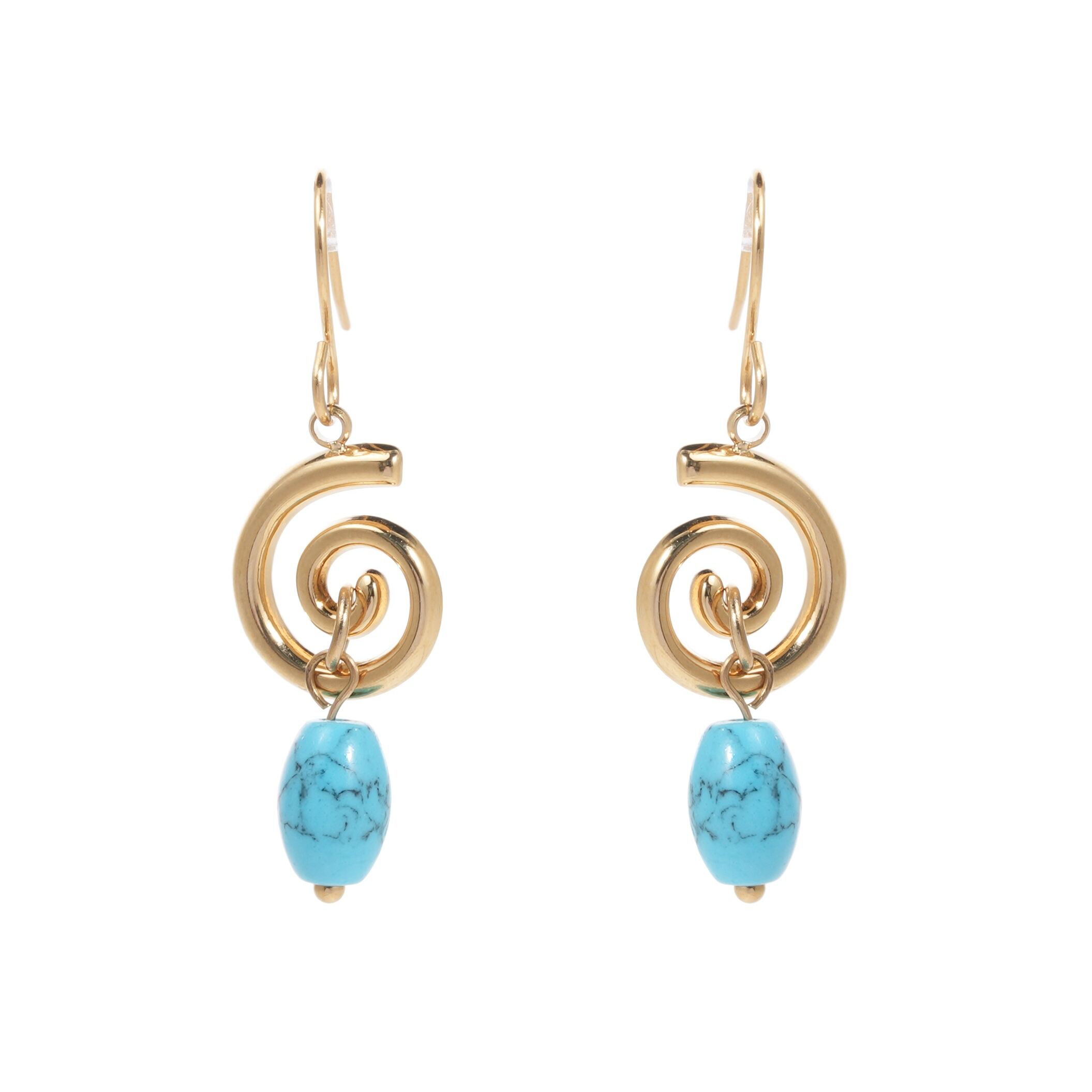
Understanding the specific applications that fuel this growing demand reveals why stainless steel jewelry has become a preferred choice across age groups, professions, and lifestyle preferences. The material's resistance to tarnishing, corrosion, and daily wear makes it particularly suitable for applications where traditional precious metals might prove impractical or cost-prohibitive.
Fashion and Style Applications
Everyday Wear and Casual Fashion
The casual fashion segment represents one of the largest drivers of stainless steel jewelry demand, particularly among millennials and Generation Z consumers who prioritize both style and practicality. These demographics seek accessories that complement their active lifestyles without requiring extensive maintenance or fear of damage during daily activities.
Stainless steel jewelry applications in casual fashion include statement rings, stackable bracelets, and minimalist necklaces that can withstand exposure to moisture, sweat, and environmental elements. The metal's natural luster provides an attractive silver-tone finish that pairs well with both casual and semi-formal attire, making it versatile enough for work-to-weekend transitions.
The durability factor becomes particularly important in applications where jewelry experiences frequent contact with surfaces, such as rings worn during typing, bracelets exposed during sports activities, or earrings worn during exercise routines. Unlike softer metals that may scratch or dent, stainless steel maintains its appearance even under regular stress and impact.
Professional and Workplace Settings
Professional environments create specific demands for stainless steel jewelry that traditional precious metals cannot always meet. Healthcare workers, food service professionals, and laboratory technicians require accessories that can withstand frequent sanitization and cleaning protocols without degrading or harboring bacteria.
In these workplace applications, stainless steel jewelry offers the dual benefit of professional appearance and hygienic safety. Surgical-grade stainless steel varieties provide additional peace of mind for individuals with sensitive skin or those working in sterile environments where material purity becomes a health consideration.
The non-reactive nature of quality stainless steel makes it suitable for extended wear in environments where exposure to chemicals, cleaning agents, or extreme temperatures might damage other jewelry materials. This reliability factor drives consistent demand among professionals who cannot afford jewelry failures or skin reactions during critical work periods.
Health and Wellness Applications
Hypoallergenic and Sensitive Skin Solutions
The hypoallergenic properties of high-quality stainless steel jewelry create substantial demand among consumers with metal sensitivities or allergic reactions to common jewelry alloys. Nickel allergies, in particular, affect a significant portion of the population and drive many individuals toward stainless steel alternatives that contain minimal or no nickel content.
Medical applications for stainless steel jewelry extend beyond simple allergy avoidance to include situations where individuals require jewelry that won't interfere with medical procedures or imaging tests. The non-magnetic properties of certain stainless steel grades make them suitable for wear during MRI scans and other medical examinations where ferrous metals would pose safety risks.
Dermatological benefits drive demand among individuals with conditions like eczema or psoriasis, where traditional jewelry metals might exacerbate skin irritation. The smooth surface finish possible with stainless steel reduces friction against sensitive skin, while its resistance to bacterial growth helps maintain skin health during extended wear periods.
Sports and Active Lifestyle Integration
Athletic and fitness applications represent a rapidly growing segment of stainless steel jewelry demand, driven by consumers who refuse to remove accessories during physical activities. The material's resistance to chlorine, saltwater, and perspiration makes it ideal for swimmers, surfers, and gym enthusiasts who want to maintain their personal style during workouts.
Sports-specific designs in stainless steel jewelry include flexible bracelets that won't restrict movement, secure earring designs that won't fall out during vigorous activity, and streamlined pieces that won't catch on equipment or clothing. These functional considerations drive demand among serious athletes and weekend warriors alike.
The maintenance-free aspect becomes particularly valuable in sports applications where immediate post-activity jewelry care isn't practical. Unlike precious metals that might require immediate cleaning after exposure to saltwater or chlorinated pools, stainless steel pieces can simply be rinsed and worn again without degradation concerns.
Economic and Accessibility Factors
Cost-Effective Luxury Aesthetics
Economic accessibility drives substantial demand for stainless steel jewelry among consumers who desire the appearance of precious metals without the associated price points. The material's ability to achieve high-polish finishes and complex designs at fraction of gold or platinum costs makes luxury aesthetics achievable for broader consumer segments.
Gift-giving applications particularly benefit from this cost accessibility, as stainless steel jewelry allows for impressive presentation value without straining gift budgets. The durability factor adds perceived value, as recipients understand they're receiving pieces that will maintain their appearance over time rather than fashion accessories with limited lifespans.
Investment protection drives demand among consumers who appreciate jewelry that retains its original appearance without ongoing maintenance costs. Unlike precious metals that require periodic professional cleaning or replating, stainless steel jewelry maintains its factory finish throughout years of regular wear.
Bulk and Commercial Applications
Commercial applications create steady demand streams for stainless steel jewelry in corporate gifts, promotional items, and retail inventory scenarios. The predictable pricing and availability of stainless steel makes it attractive for businesses requiring consistent product specifications across large quantities.
Customization applications drive demand in corporate branding, team jewelry, and personalized gift markets where engraving, embossing, or surface treatments need to maintain durability over time. Stainless steel's hardness allows for crisp detail retention in custom work while providing enough malleability for complex manufacturing processes.
The scalability of stainless steel jewelry production makes it suitable for both small-batch artisan work and mass-market retail applications, creating demand across diverse price points and distribution channels. This versatility ensures steady market demand regardless of economic fluctuations that might affect precious metal markets.
Cultural and Social Applications
Expression and Identity Jewelry
Cultural expression applications drive demand for stainless steel jewelry among communities that value symbolic accessories reflecting personal beliefs, affiliations, or identity markers. The material's durability makes it suitable for pieces worn consistently as part of cultural or religious observance, where removal isn't practical or desired.
Youth culture particularly embraces stainless steel jewelry for its modern aesthetic and accessibility, driving demand for pieces that reflect current trends without requiring significant financial investment. The material's edgy appearance aligns well with alternative fashion movements and subcultures that prefer industrial aesthetics over traditional precious metal presentations.
Social media influence creates demand waves for stainless steel jewelry that photographs well and maintains consistent appearance across different lighting conditions. The material's reflective properties and sharp detail retention make it popular for influencer collaborations and social commerce applications.
Generational Preference Shifts
Generational attitudes toward ownership and sustainability drive increasing demand for stainless steel jewelry among environmentally conscious consumers. The material's longevity reduces replacement frequency, aligning with preferences for durable goods over disposable fashion accessories.
Minimalist lifestyle trends create demand for versatile stainless steel pieces that serve multiple styling functions rather than single-purpose accessories. Consumers seeking to reduce possession quantities while maintaining style options find that quality stainless steel jewelry pieces can anchor diverse outfit combinations.
Technology integration applications are emerging as smartwatch adoption drives demand for coordinating stainless steel jewelry that complements wearable device aesthetics. The material's modern appearance bridges the gap between traditional jewelry and contemporary technology accessories.
FAQ
What industries create the highest demand for stainless steel jewelry?
Healthcare, food service, hospitality, and fitness industries generate substantial demand due to hygiene requirements and durability needs. These sectors value stainless steel jewelry's ability to withstand frequent cleaning and sterilization while maintaining professional appearance standards.
How do workplace safety requirements influence stainless steel jewelry demand?
Many industrial and laboratory environments restrict certain jewelry materials due to safety protocols, chemical exposure risks, or magnetic interference concerns. Stainless steel's non-reactive properties and availability in non-magnetic grades make it acceptable in workplace settings where other metals would be prohibited.
What demographic factors drive the strongest demand for stainless steel jewelry?
Millennials and Generation Z consumers show the strongest demand due to their preference for durable, low-maintenance accessories that provide good value. Additionally, individuals with metal allergies, active lifestyle participants, and budget-conscious consumers seeking luxury aesthetics represent significant demand drivers.
How does seasonal variation affect stainless steel jewelry demand patterns?
Summer months typically see increased demand due to swimming, beach activities, and outdoor sports where water resistance becomes important. Holiday seasons drive gift-giving demand, while back-to-school and new job seasons create demand for professional-appropriate pieces that can withstand daily wear.
Table of Contents
- Fashion and Style Applications
- Health and Wellness Applications
- Economic and Accessibility Factors
- Cultural and Social Applications
-
FAQ
- What industries create the highest demand for stainless steel jewelry?
- How do workplace safety requirements influence stainless steel jewelry demand?
- What demographic factors drive the strongest demand for stainless steel jewelry?
- How does seasonal variation affect stainless steel jewelry demand patterns?