
 EN
EN




Evaluating stainless steel jewelry quality requires a systematic approach that goes beyond surface aesthetics, particularly for B2B buyers who need to ensure consistent quality standards across their inventory. Professional buyers must understand the metallurgical properties, manufacturing processes, and quality indicators that distinguish premium stainless steel jewelry from inferior alternatives. This comprehensive evaluation framework helps buyers make informed purchasing decisions that align with their brand standards and customer expectations.
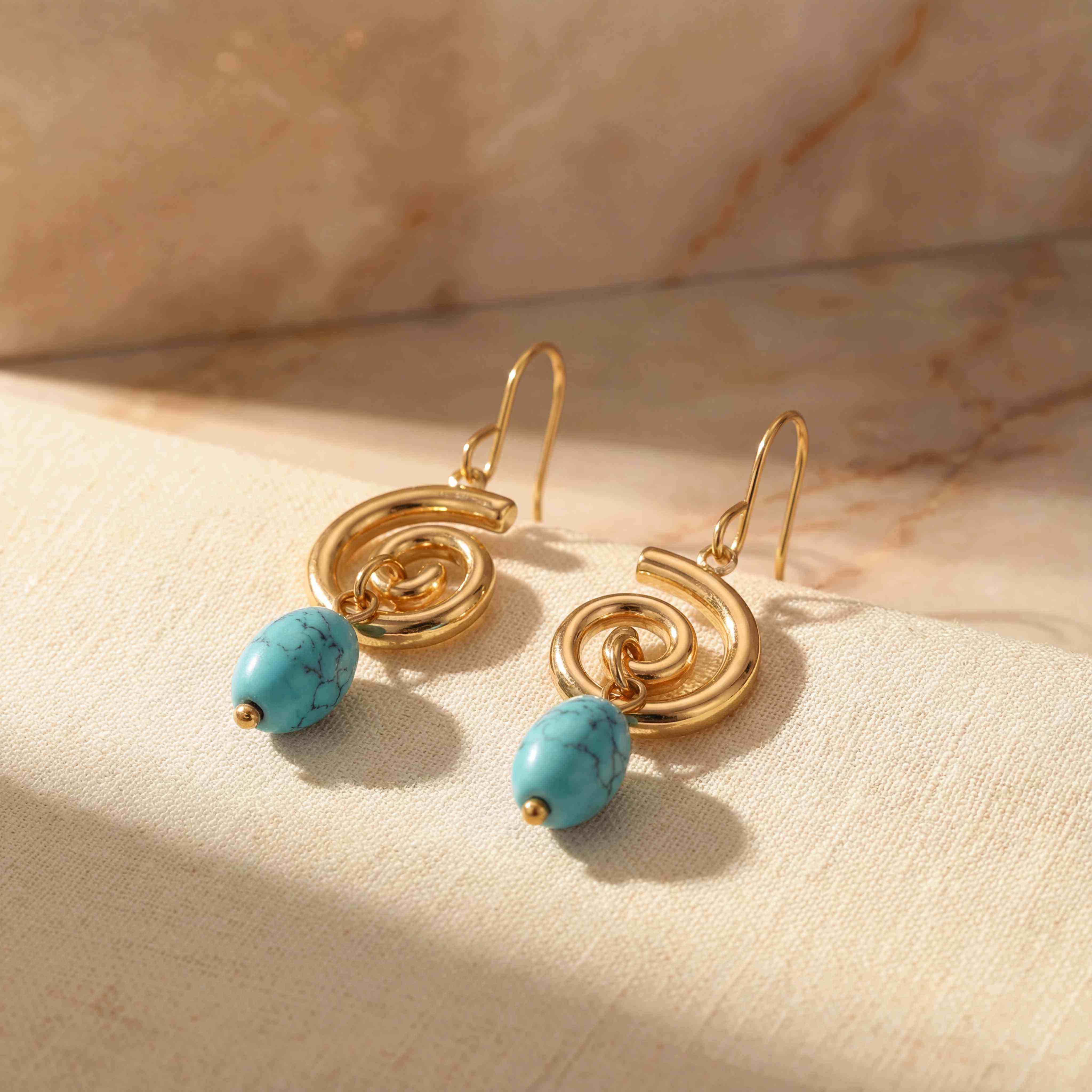
The quality assessment process for stainless steel jewelry encompasses multiple dimensions including material grade verification, surface finish evaluation, construction integrity, and long-term durability testing. B2B buyers who master these evaluation techniques can confidently source stainless steel jewelry that meets their quality requirements while maintaining competitive pricing structures. Understanding these quality parameters enables buyers to establish clear specifications with suppliers and implement effective quality control measures throughout their procurement process.
Understanding Stainless Steel Grades and Compositions
Material Grade Classification for Jewelry Applications
The foundation of evaluating stainless steel jewelry quality begins with understanding the specific grades used in jewelry manufacturing. Grade 316L stainless steel represents the industry standard for high-quality stainless steel jewelry due to its low carbon content and superior corrosion resistance. This grade contains chromium, nickel, and molybdenum that provide excellent durability and hypoallergenic properties essential for skin contact applications.
Grade 304 stainless steel serves as an alternative option for stainless steel jewelry applications where cost considerations are paramount, though it offers slightly reduced corrosion resistance compared to 316L. B2B buyers should verify the specific grade through material certification documents provided by suppliers. The grade designation directly impacts the jewelry's resistance to tarnishing, corrosion, and wear over extended periods of use.
Premium stainless steel jewelry manufacturers often provide detailed material composition reports that specify the exact percentages of chromium, nickel, and other alloying elements. These specifications enable buyers to compare different suppliers and ensure consistency across their stainless steel jewelry inventory. Understanding these metallurgical fundamentals empowers buyers to make technically informed decisions about material quality and suitability for specific market segments.
Chemical Composition Impact on Performance
The chemical composition of stainless steel jewelry directly influences its performance characteristics and overall quality rating. Chromium content, typically ranging from 16% to 18%, provides the primary corrosion resistance that prevents rust and oxidation in stainless steel jewelry applications. Higher chromium percentages generally indicate superior quality and longer-lasting performance in various environmental conditions.
Nickel content in stainless steel jewelry affects both durability and biocompatibility, with 8% to 10% nickel providing optimal balance between strength and hypoallergenic properties. Some manufacturers produce nickel-free stainless steel jewelry alternatives for customers with severe nickel sensitivities, though these formulations may sacrifice some durability characteristics. B2B buyers should consider their target market's sensitivity requirements when evaluating different compositions.
Molybdenum additions in premium stainless steel jewelry enhance corrosion resistance and provide superior performance in harsh environments. The presence of molybdenum distinguishes high-grade stainless steel jewelry from standard formulations and justifies premium pricing strategies. Buyers should request detailed composition analysis from suppliers to verify the presence and quantity of these performance-enhancing elements.
Surface Finish and Manufacturing Quality Assessment
Surface Treatment Evaluation Methods
Evaluating surface finish quality in stainless steel jewelry requires systematic inspection of polishing consistency, scratch resistance, and overall aesthetic appeal. Premium stainless steel jewelry exhibits mirror-like finishes with uniform reflectivity across all surfaces, indicating proper polishing techniques and quality control processes. B2B buyers should examine sample pieces under various lighting conditions to assess finish quality and consistency.
Surface treatments such as brushed finishes, sandblasting, or specialized coatings require specific evaluation criteria to determine quality levels. Brushed finishes on stainless steel jewelry should display consistent grain patterns without irregular scratches or polishing marks. The depth and uniformity of brush patterns indicate the manufacturer's attention to detail and process control capabilities.
Advanced surface treatments including PVD coatings or electroplating on stainless steel jewelry require additional quality assessments to ensure proper adhesion and durability. These treatments should exhibit uniform color distribution, scratch resistance, and appropriate thickness measurements. Buyers should request coating specifications and durability testing results to evaluate the long-term performance of treated stainless steel jewelry pieces.
Manufacturing Precision and Construction Quality
Manufacturing precision in stainless steel jewelry directly impacts both aesthetic appeal and functional durability, requiring careful evaluation of dimensional accuracy and construction details. Joint integrity, particularly in chain links, clasps, and connection points, represents critical quality indicators that affect the jewelry's longevity and user satisfaction. Premium manufacturers maintain tight tolerances and consistent dimensions across production batches.
Welding and soldering quality in stainless steel jewelry construction requires specialized inspection techniques to identify potential weak points or manufacturing defects. Properly executed joints should exhibit smooth transitions without visible seam lines, discoloration, or structural irregularities. B2B buyers should examine connection points under magnification to assess construction quality and identify potential failure modes.
Edge finishing and detail work quality in stainless steel jewelry reflects the manufacturer's overall quality standards and attention to customer satisfaction. Sharp edges, rough surfaces, or incomplete finishing indicate inadequate quality control processes that may result in customer complaints and returns. Comprehensive quality evaluation includes assessment of all surfaces, including hidden areas that contact the wearer's skin.
Durability Testing and Performance Validation
Mechanical Stress Testing Protocols
Implementing mechanical stress testing for stainless steel jewelry enables B2B buyers to validate durability claims and establish realistic performance expectations for their inventory. Tensile strength testing of chains, clasps, and connection points provides quantitative data about the jewelry's ability to withstand normal wear conditions and occasional stress events. These tests should simulate realistic use scenarios while identifying potential failure points.
Fatigue testing protocols for stainless steel jewelry involve repeated stress cycles that simulate long-term wearing conditions and movement patterns. Hinges, clasps, and flexible components require specific testing protocols to ensure they maintain functionality throughout their expected service life. Premium stainless steel jewelry should demonstrate superior fatigue resistance compared to alternative materials.
Impact resistance testing evaluates the stainless steel jewelry's ability to withstand accidental drops, impacts, and handling stress without structural damage or deformation. This testing particularly applies to larger pieces such as bracelets, pendants, and statement jewelry that may experience significant impact forces during normal use. Buyers should request impact testing data from suppliers to compare different products and manufacturers.
Corrosion Resistance and Environmental Testing
Corrosion resistance testing for stainless steel jewelry involves exposure to various environmental conditions including humidity, salt water, perspiration, and chemical exposure that may occur during normal wear. These accelerated testing protocols provide insights into long-term performance and help buyers establish appropriate warranty terms and customer expectations for their stainless steel jewelry inventory.
Salt spray testing represents a standard evaluation method for assessing the corrosion resistance of stainless steel jewelry under extreme conditions. This testing exposes sample pieces to concentrated salt solutions for extended periods, simulating years of exposure to coastal environments or perspiration. Quality stainless steel jewelry should demonstrate minimal corrosion or discoloration after standardized salt spray testing.
Chemical compatibility testing evaluates how stainless steel jewelry responds to common substances including perfumes, lotions, cleaning products, and other chemicals that may contact the jewelry during normal use. Premium stainless steel jewelry maintains its appearance and structural integrity when exposed to these common substances, while inferior materials may show discoloration, corrosion, or surface degradation.
Supplier Quality Control and Certification Standards
Manufacturing Quality Management Systems
Evaluating supplier quality control systems provides insights into the consistency and reliability of stainless steel jewelry production processes. ISO certification, particularly ISO 9001 quality management standards, indicates that the manufacturer has implemented systematic quality control procedures throughout their production operations. B2B buyers should prioritize suppliers who demonstrate commitment to standardized quality management practices.
Quality control documentation from stainless steel jewelry manufacturers should include material traceability records, production process controls, and inspection procedures that ensure consistent product quality. Comprehensive quality management systems include incoming material inspection, in-process quality checks, and final product validation before shipment. These documented procedures provide buyers with confidence in product consistency and quality reliability.
Statistical process control implementation in stainless steel jewelry manufacturing enables suppliers to monitor and maintain consistent quality levels across production batches. Manufacturers who utilize statistical quality control methods can provide detailed quality data and demonstrate their commitment to continuous improvement. This systematic approach to quality management reduces the risk of defective products and ensures consistent performance standards.
Material Certification and Testing Standards
Material certification documentation for stainless steel jewelry should include detailed composition analysis, mechanical property testing, and corrosion resistance validation performed by accredited testing laboratories. These certificates provide objective verification of material quality and performance characteristics that enable buyers to make informed procurement decisions. Reputable suppliers maintain comprehensive material certification records for their stainless steel jewelry products.
Third-party testing verification adds credibility to supplier quality claims and provides independent validation of stainless steel jewelry performance characteristics. Testing by recognized laboratories such as SGS, Intertek, or other accredited facilities ensures unbiased evaluation of material properties and quality standards. B2B buyers should request third-party testing reports as part of their supplier qualification process.
Compliance with international standards such as ASTM, EN, or other relevant specifications demonstrates the supplier's commitment to meeting established quality benchmarks for stainless steel jewelry. These standards define specific requirements for material composition, mechanical properties, and performance characteristics that enable consistent quality comparison across different suppliers. Adherence to recognized standards provides a framework for quality evaluation and supplier selection.
FAQ
What specific tests should B2B buyers request from stainless steel jewelry suppliers?
B2B buyers should request material composition analysis, tensile strength testing, corrosion resistance evaluation, and surface finish quality assessment from their stainless steel jewelry suppliers. These tests provide objective data about material grade, mechanical properties, durability characteristics, and aesthetic quality that enable informed purchasing decisions and quality comparison across different suppliers.
How can buyers verify the actual stainless steel grade used in jewelry manufacturing?
Buyers can verify stainless steel grades through material certification documents, chemical composition analysis, and third-party testing reports provided by accredited laboratories. XRF spectrometry testing offers rapid verification of elemental composition, while formal material certificates provide detailed documentation of grade compliance and quality standards for the specific stainless steel jewelry products being evaluated.
What quality indicators distinguish premium stainless steel jewelry from standard offerings?
Premium stainless steel jewelry exhibits superior surface finish consistency, precise manufacturing tolerances, enhanced corrosion resistance, and comprehensive quality documentation including material certifications and performance testing results. Additionally, premium products typically use grade 316L stainless steel, demonstrate superior fatigue resistance, and include detailed quality control procedures throughout the manufacturing process.
How should B2B buyers establish quality specifications for stainless steel jewelry procurement?
B2B buyers should establish quality specifications based on material grade requirements, surface finish standards, dimensional tolerances, mechanical property minimums, and corrosion resistance criteria specific to their target market and application requirements. These specifications should reference recognized industry standards and include specific testing protocols that enable objective quality evaluation and supplier performance comparison throughout the procurement process.
Table of Contents
- Understanding Stainless Steel Grades and Compositions
- Surface Finish and Manufacturing Quality Assessment
- Durability Testing and Performance Validation
- Supplier Quality Control and Certification Standards
-
FAQ
- What specific tests should B2B buyers request from stainless steel jewelry suppliers?
- How can buyers verify the actual stainless steel grade used in jewelry manufacturing?
- What quality indicators distinguish premium stainless steel jewelry from standard offerings?
- How should B2B buyers establish quality specifications for stainless steel jewelry procurement?