
 EN
EN


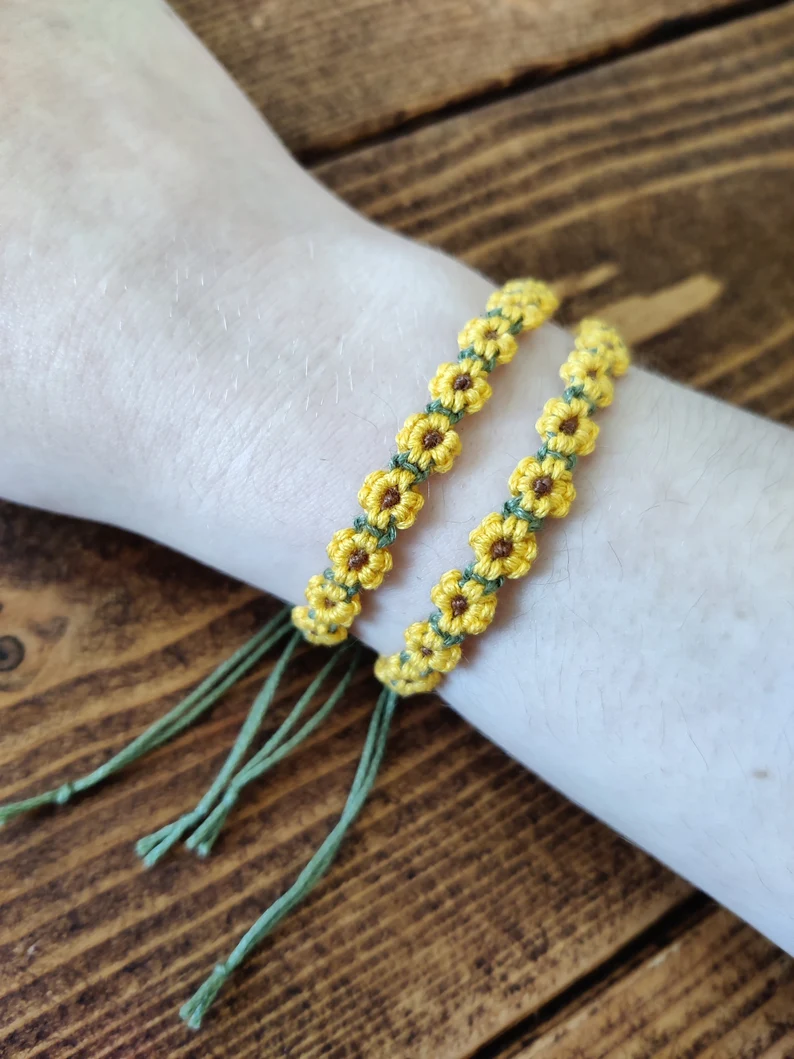
Selecting the right woven bracelet manufacturer is a critical business decision that directly impacts your supply chain, profit margins, and customer satisfaction. For B2B buyers sourcing handmade friendship bracelets or adjustable woven bracelet designs, the evaluation process extends far beyond simple price comparisons. You must assess production capacity, quality consistency, design flexibility, lead times, and long-term partnership potential.
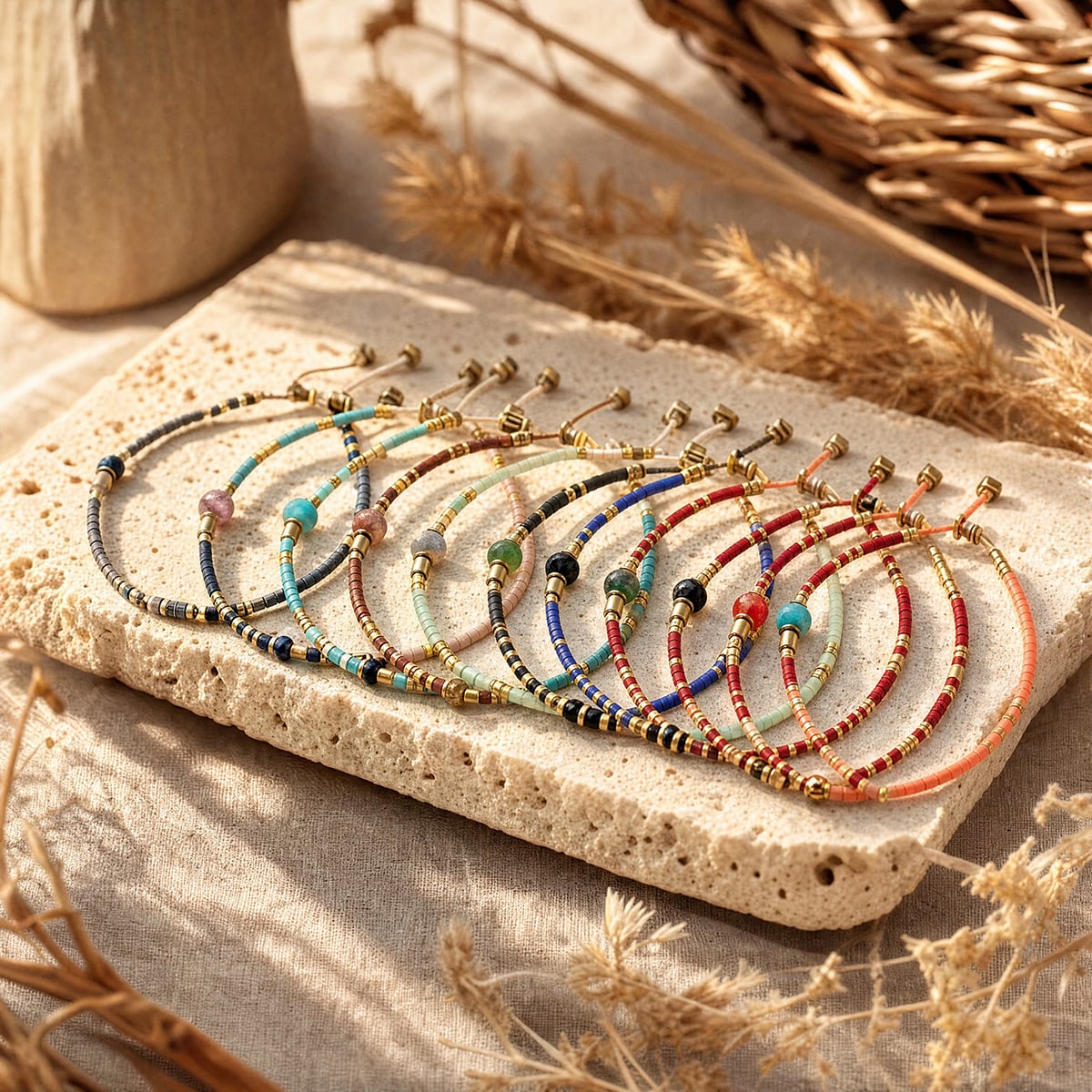
The handmade friendship bracelets market has grown significantly, with retailers and wholesalers competing on quality, design innovation, and reliability. Whether you seek woven bracelet patterns for seasonal collections or year-round inventory, understanding how to evaluate manufacturers systematically will help you avoid costly mistakes, negotiate better terms, and build sustainable supply relationships that scale with your business needs.
Assessing Production Capacity and Lead Times
Production capacity determines whether a manufacturer can fulfill your order volumes within acceptable timeframes. Before committing to any partnership, request detailed information about monthly output, current client load, and ability to scale production during peak demand periods. A manufacturer producing handmade friendship bracelets may have different capacity constraints than one focused on mass-produced adjustable woven bracelet models.
Understanding Order Fulfillment Workflows
Lead time varies significantly depending on design complexity, customization requirements, and production schedules. Direct questions about typical order-to-delivery timelines, minimum order quantities, and rush order fees. Some woven bracelet pattern manufacturers maintain stock for popular designs but require custom lead times for new patterns. Understanding these workflows helps you align purchasing decisions with inventory planning and customer demand forecasts.
Evaluating Flexibility and Responsiveness
Responsive manufacturers adapt to market changes and client needs more effectively. Ask how quickly they can accommodate design modifications, color variations in adjustable woven bracelet lines, or unexpected volume increases. Assess their communication systems, project tracking capabilities, and willingness to provide production updates. Manufacturers with transparent processes and proactive communication tend to deliver more reliable handmade friendship bracelets partnerships.
Quality Standards and Material Sourcing
Quality directly influences customer retention, returns, and brand reputation. When evaluating a woven bracelet manufacturer, examine samples across different production batches to identify consistency issues. Pay attention to thread tension, knot placement, color accuracy, and overall durability. Poor quality in adjustable woven bracelet designs can damage your retail relationships and create warranty problems.
Material Quality and Sourcing Transparency
Request detailed information about material sources, including thread types, bead suppliers, and any synthetic components. High-quality handmade friendship bracelets typically use premium threads, natural fibers, and conflict-free materials. Understanding sourcing practices also matters for ethical marketing and regulatory compliance. Ask manufacturers for material certifications, safety testing results, and documentation of supply chain oversight.
Quality Control and Testing Procedures
Manufacturers implementing rigorous quality control catch defects before shipment. Inquire about inspection processes, durability testing methods, and acceptable defect rates. Whether producing woven bracelet patterns or adjustable woven bracelet variants, manufacturers should perform tensile strength tests, color fastness checks, and wear resistance evaluations. Request access to quality metrics and any third-party certifications they hold.
Customization Capabilities and Design Support
Your competitive advantage often hinges on unique woven bracelet patterns and customization options. Evaluate whether manufacturers can execute custom designs, accommodate size variations, integrate specific color palettes, and produce branded packaging. Strong design support teams understand adjustable woven bracelet construction challenges and can offer feasible alternatives when requested specifications exceed technical limits.
Design Development and Collaboration Process
Request samples demonstrating woven bracelet pattern versatility and design flexibility. Discuss their process for translating your concepts into production-ready specifications, including sample development timelines and revision cycles. Manufacturers experienced with handmade friendship bracelets understand aesthetic preferences and can suggest improvements based on market feedback. Clear communication about design iterations prevents costly production errors.
Minimum Order Quantities and Bulk Pricing
Manufacturers offering flexible minimum order quantities and tiered pricing structures better serve diverse B2B needs. Compare pricing models for standard designs versus custom adjustable woven bracelet orders. Understand whether pricing decreases with volume, whether new designs incur setup fees, and how pricing adjusts for material cost fluctuations. Transparent pricing enables better budget forecasting and margin optimization for your retail operations.
Building Long-Term Supplier Relationships
Successful woven bracelet sourcing requires partnerships built on mutual respect, clear communication, and aligned business goals. Evaluate potential manufacturers not just on current capabilities but on their commitment to continuous improvement, innovation, and customer success. A manufacturer of handmade friendship bracelets who invests in new production techniques or explores emerging woven bracelet patterns demonstrates growth orientation.
Payment Terms and Contract Flexibility
Negotiate payment terms that balance cash flow needs with manufacturer security. Discuss deposit structures, milestone-based payments, and how invoicing aligns with delivery schedules. Clarify policies on order cancellations, design changes, and liability for defective products. For adjustable woven bracelet orders, establish clear expectations about remedies, replacements, and dispute resolution procedures to protect your business interests.
Communication Channels and Ongoing Support
Reliable communication is essential for resolving issues, discussing new designs, and coordinating future orders. Establish relationships with specific contacts at the manufacturer, including production managers and account representatives. Assess their responsiveness, willingness to answer questions, and proactive approach to anticipating your needs. A manufacturer producing quality handmade friendship bracelets understands that transparent, consistent communication builds trust and reduces misunderstandings.
FAQ
What are the most important factors when comparing woven bracelet manufacturers?
The most critical factors include production capacity and lead time capabilities, quality consistency across batches, material sourcing transparency, customization flexibility for adjustable woven bracelet designs, and communication reliability. You should also assess their pricing structure, minimum order quantities, and willingness to support your specific business needs. Evaluating handmade friendship bracelets manufacturers requires examining samples, requesting references, and understanding their quality control processes before committing to orders.
How do I ensure consistent quality across multiple woven bracelet orders?
Establish clear quality standards in writing, including specifications for thread tension, color accuracy, size tolerances, and durability requirements. Request that manufacturers provide batch samples before full production begins, and schedule regular quality audits of incoming shipments. For adjustable woven bracelet lines, implement acceptance criteria that define acceptable defect rates and procedures for handling non-conforming inventory. Maintaining ongoing communication with your manufacturer about quality expectations reinforces the importance of consistency.
What questions should I ask about customization for handmade friendship bracelets?
Ask about their experience with custom woven bracelet patterns, typical design development timelines, and how they handle revisions during sample phases. Inquire whether they offer branded packaging options, personalization capabilities, and color matching services for your specific brand aesthetic. Discuss their capabilities for producing adjustable woven bracelet designs with unique features, and understand which customization options incur additional fees or minimum order increases. Clear understanding of their customization process helps you align product offerings with manufacturing capabilities.