
 EN
EN



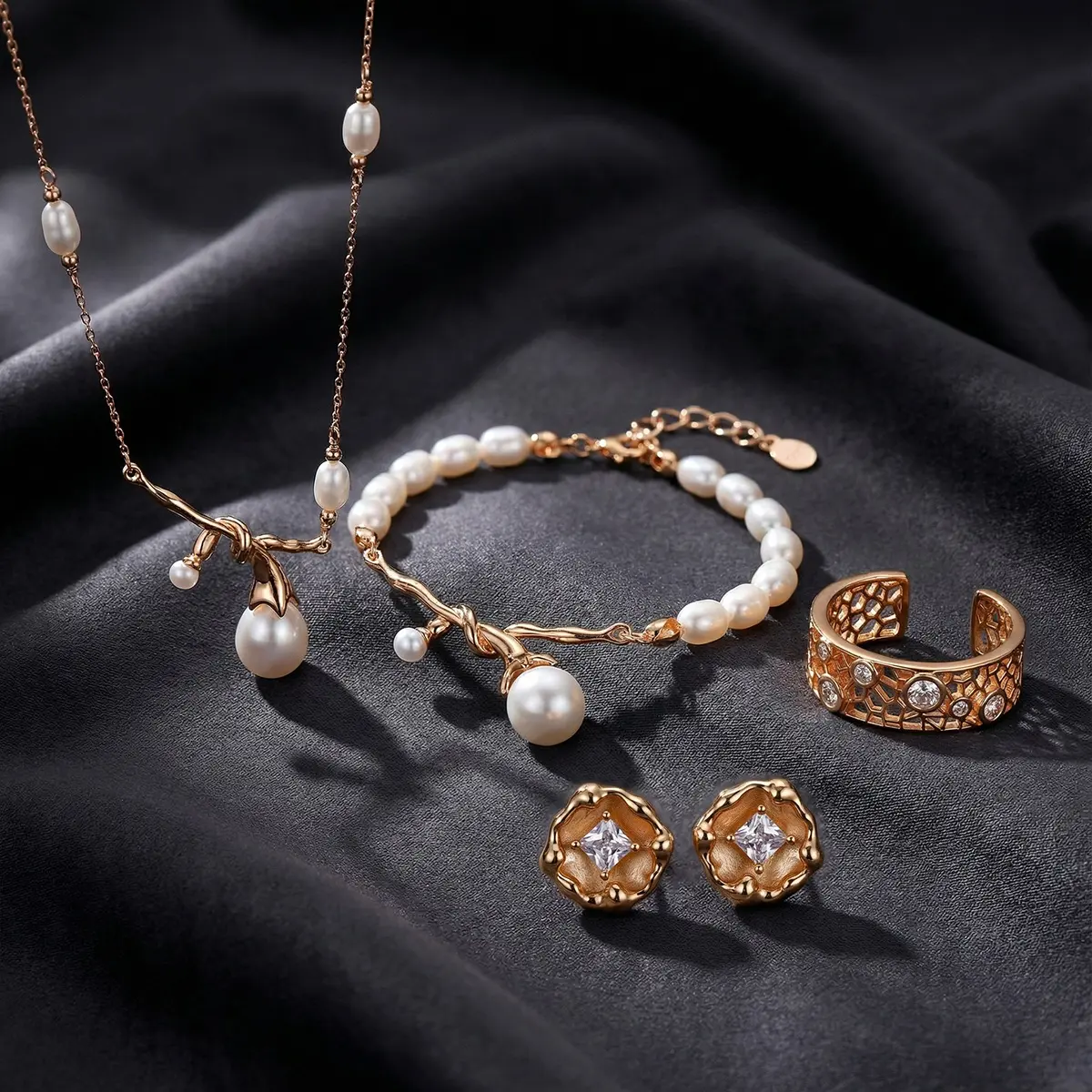
Selecting the right 925 sterling silver jewelry manufacturer is a critical business decision that directly impacts product quality, brand reputation, and customer satisfaction. The choice of manufacturer determines not only the craftsmanship and durability of your jewelry pieces but also your ability to meet market demands, maintain competitive pricing, and establish a reliable supply chain. With numerous manufacturers offering 925 sterling silver jewelry services globally, understanding the key selection criteria becomes essential for making an informed decision that aligns with your business objectives and quality standards.
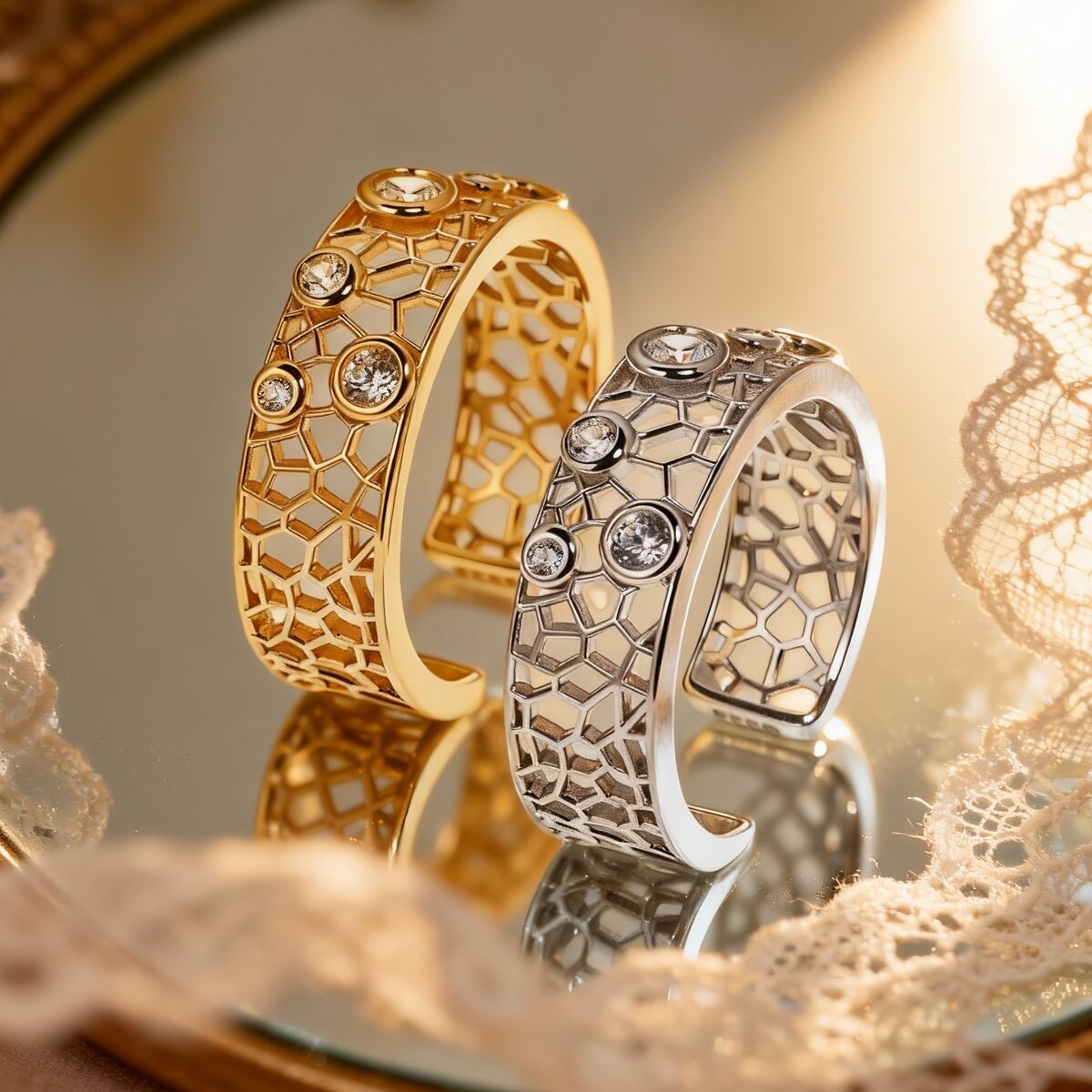
The manufacturing landscape for 925 sterling silver jewelry encompasses a diverse range of suppliers, from specialized artisanal workshops to large-scale industrial facilities. Each type of manufacturer brings distinct advantages and limitations to the partnership. Understanding these differences and evaluating manufacturers against specific criteria ensures that your selected partner can deliver consistent quality, meet production timelines, and support your business growth. This comprehensive evaluation process involves examining technical capabilities, quality control systems, certifications, production capacity, and long-term partnership potential.
Understanding Manufacturing Capabilities and Technical Expertise
Production Technology and Equipment Assessment
Modern 925 sterling silver jewelry manufacturing requires sophisticated equipment and technical capabilities to ensure precision and consistency. Evaluate potential manufacturers based on their production technology, including casting equipment, finishing machinery, and quality control instruments. Advanced manufacturers utilize computer-controlled casting systems, precision polishing equipment, and automated quality inspection tools. The presence of updated technology indicates a manufacturer's commitment to producing high-quality 925 sterling silver jewelry that meets contemporary market standards.
Manufacturing expertise extends beyond equipment to include technical knowledge of silver alloy composition, heat treatment processes, and surface finishing techniques. Experienced manufacturers understand the metallurgical properties of 925 sterling silver and can optimize production parameters to achieve desired characteristics such as durability, tarnish resistance, and aesthetic appeal. They should demonstrate proficiency in various manufacturing techniques including lost wax casting, die striking, hand fabrication, and modern additive manufacturing methods when applicable to jewelry production.
Design and Customization Capabilities
The ability to translate design concepts into finished 925 sterling silver jewelry pieces is a crucial manufacturer capability. Assess potential partners based on their design support services, prototype development processes, and customization flexibility. Leading manufacturers offer comprehensive design services including CAD modeling, rapid prototyping, and design optimization for manufacturability. They should demonstrate experience working with various jewelry styles, complexity levels, and customer specifications while maintaining the integrity of 925 sterling silver material properties.
Customization capabilities become particularly important for brands seeking unique product offerings. Manufacturers should demonstrate flexibility in accommodating custom designs, modified existing designs, and special requirements such as specific finishes, stone settings, or engraving services. The manufacturer's portfolio should showcase diverse design styles and technical complexity levels, indicating their versatility in handling various 925 sterling silver jewelry production challenges.
Quality Control Systems and Certification Standards
Material Quality and Purity Verification
Quality control begins with material verification and purity testing of silver alloys used in 925 sterling silver jewelry production. Reliable manufacturers implement comprehensive testing protocols to ensure that incoming silver materials meet the required 92.5% silver content standard. They utilize advanced testing equipment such as XRF analyzers, fire assay methods, and electronic gold testers to verify material composition. Documentation of material certificates and test results provides transparency and traceability throughout the production process.
The quality control system should extend beyond material verification to include in-process monitoring and final product inspection. Manufacturers should maintain detailed quality control procedures covering casting quality, dimensional accuracy, surface finish standards, and overall workmanship criteria. Regular quality audits and statistical process control help identify potential issues early and maintain consistent product quality across production batches of 925 sterling silver jewelry.
Industry Certifications and Compliance Standards
Reputable manufacturers of 925 sterling silver jewelry typically hold relevant industry certifications that demonstrate their commitment to quality and compliance. Look for certifications such as ISO 9001 for quality management systems, which indicates standardized processes and continuous improvement practices. Environmental certifications like ISO 14001 show environmental responsibility in manufacturing operations, increasingly important for sustainable business practices.
Additional certifications may include hallmarking authority approvals, jewelry trade association memberships, and compliance with specific market requirements such as nickel content regulations for sensitive markets. These certifications provide third-party validation of the manufacturer's capabilities and commitment to meeting industry standards. Regular audit reports and certificate renewals indicate ongoing compliance and continuous improvement efforts in manufacturing processes.
Production Capacity and Supply Chain Management
Manufacturing Scale and Volume Capabilities
Understanding a manufacturer's production capacity is essential for ensuring they can meet your volume requirements for 925 sterling silver jewelry orders. Evaluate their current production levels, equipment capacity, and ability to scale operations based on demand fluctuations. Manufacturers should provide clear information about minimum order quantities, standard lead times, and capacity for handling rush orders or seasonal demand peaks.
Production capacity assessment should consider both current capabilities and future expansion potential. Growing businesses need manufacturers who can scale production alongside business growth without compromising quality or delivery schedules. Discuss capacity allocation, production planning processes, and how the manufacturer manages multiple client requirements to ensure your orders receive appropriate priority and attention.
Supply Chain Reliability and Risk Management
A manufacturer's supply chain management directly impacts their ability to deliver 925 sterling silver jewelry consistently and on schedule. Evaluate their supplier relationships, material sourcing strategies, and inventory management practices. Reliable manufacturers maintain diversified supplier networks to reduce dependency risks and ensure continuous material availability. They should demonstrate proactive approaches to supply chain disruption management and maintain appropriate inventory buffers for critical materials.
Risk management capabilities become particularly important during market volatility or unexpected disruptions. Manufacturers should have contingency plans for various scenarios including material shortages, equipment failures, or transportation delays. Their ability to communicate proactively about potential issues and provide alternative solutions demonstrates professional supply chain management and partnership reliability.
Cost Structure and Value Proposition Analysis
Pricing Models and Cost Transparency
Understanding the manufacturer's pricing structure is crucial for accurate cost planning and profit margin calculations. Reputable manufacturers of 925 sterling silver jewelry provide transparent pricing models that clearly outline material costs, labor charges, tooling fees, and any additional services. Compare pricing structures among potential manufacturers while considering the total value proposition rather than focusing solely on initial unit costs.
Cost analysis should include hidden or additional charges such as setup fees, minimum order requirements, packaging costs, and shipping charges. Some manufacturers offer volume-based pricing tiers that can provide significant cost advantages as order quantities increase. Understanding the complete cost structure helps in making accurate financial projections and identifying the most cost-effective manufacturing partnership for your 925 sterling silver jewelry business.
Value-Added Services and Partnership Benefits
Beyond basic manufacturing services, evaluate the additional value that manufacturers bring to the partnership. Many leading 925 sterling silver jewelry manufacturers offer complementary services such as design consultation, marketing support, packaging solutions, and logistics coordination. These value-added services can significantly reduce operational complexity and provide competitive advantages in the marketplace.
Consider the manufacturer's willingness to develop long-term partnerships and invest in mutual success. Some manufacturers offer exclusive design arrangements, dedicated production capacity, or co-marketing opportunities that can provide strategic advantages. The manufacturer's approach to partnership development, communication practices, and customer support services all contribute to the overall value proposition beyond price considerations.
FAQ
What certifications should I look for when selecting a 925 sterling silver jewelry manufacturer?
Look for ISO 9001 quality management certification, hallmarking authority approvals, and relevant jewelry industry certifications. Environmental certifications like ISO 14001 are also valuable. Ensure the manufacturer complies with specific market regulations such as nickel content requirements and has proper documentation for material purity verification.
How can I verify the quality of 925 sterling silver jewelry from a potential manufacturer?
Request samples for testing, review their quality control procedures, and ask for material certificates. Check for proper hallmarks or stamps indicating 925 silver content. Consider conducting third-party testing of sample pieces and visiting the manufacturing facility if possible to observe production processes firsthand.
What minimum order quantities should I expect from 925 sterling silver jewelry manufacturers?
Minimum order quantities vary significantly based on manufacturer size and specialization. Artisanal manufacturers may accept orders as small as 50-100 pieces, while larger industrial manufacturers typically require 500-1000 piece minimums. Custom designs often have higher minimums due to tooling and setup costs. Discuss flexible order arrangements for new partnerships or seasonal variations.
How long does it typically take to manufacture 925 sterling silver jewelry orders?
Standard production lead times range from 2-6 weeks depending on order complexity, quantity, and manufacturer capacity. Custom designs require additional time for sampling and approval, potentially extending lead times to 6-8 weeks. Rush orders may be available at premium pricing, while complex pieces with intricate details or stone settings may require longer production periods.
Table of Contents
- Understanding Manufacturing Capabilities and Technical Expertise
- Quality Control Systems and Certification Standards
- Production Capacity and Supply Chain Management
- Cost Structure and Value Proposition Analysis
-
FAQ
- What certifications should I look for when selecting a 925 sterling silver jewelry manufacturer?
- How can I verify the quality of 925 sterling silver jewelry from a potential manufacturer?
- What minimum order quantities should I expect from 925 sterling silver jewelry manufacturers?
- How long does it typically take to manufacture 925 sterling silver jewelry orders?