
 EN
EN



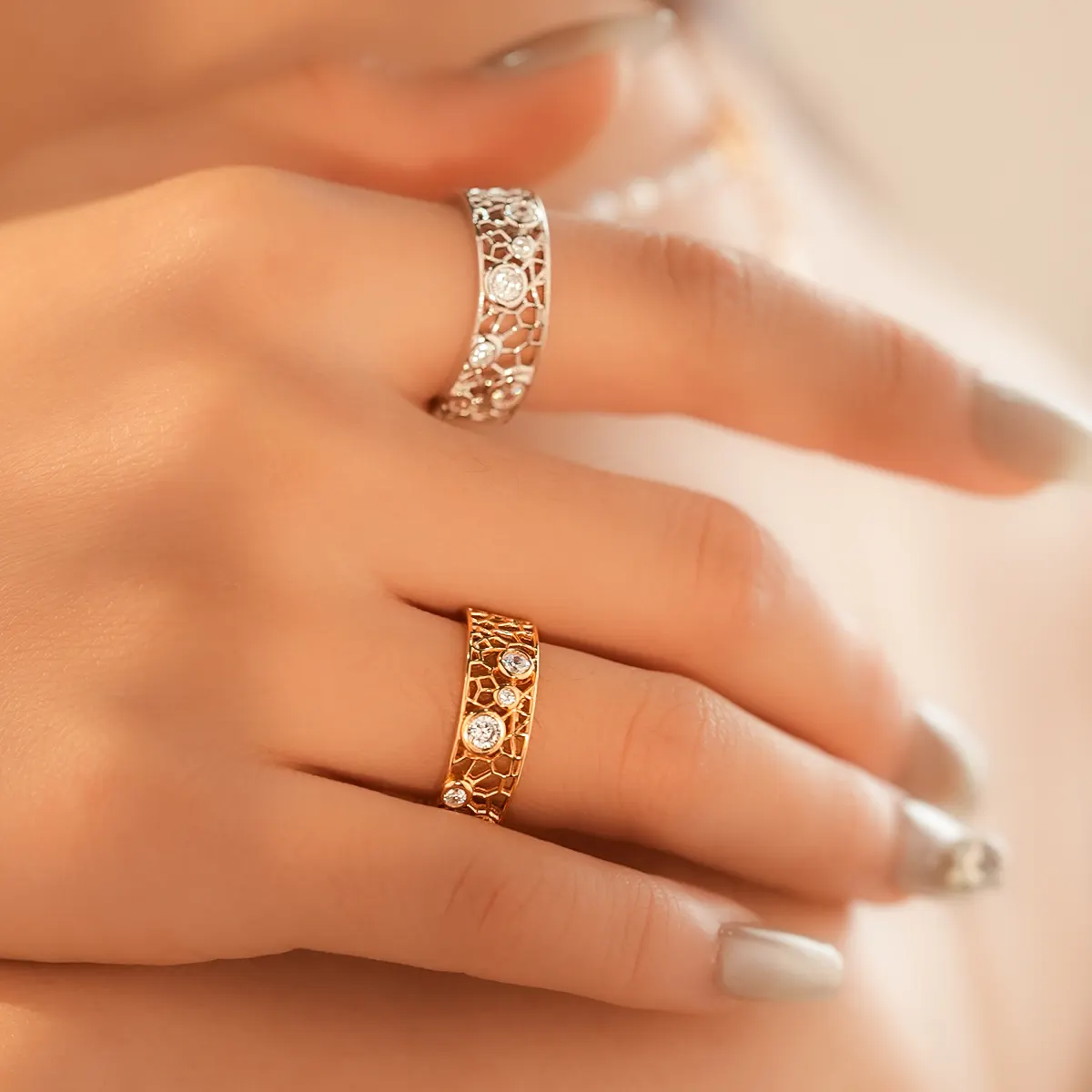
Procurement professionals face numerous challenges when sourcing 925 sterling silver jewelry for their businesses, from quality assurance to supplier verification. The jewelry industry presents unique risks that can significantly impact product quality, delivery timelines, and overall business reputation. Understanding these procurement risks is essential for making informed purchasing decisions and establishing successful supplier relationships in the competitive 925 sterling silver jewelry market.
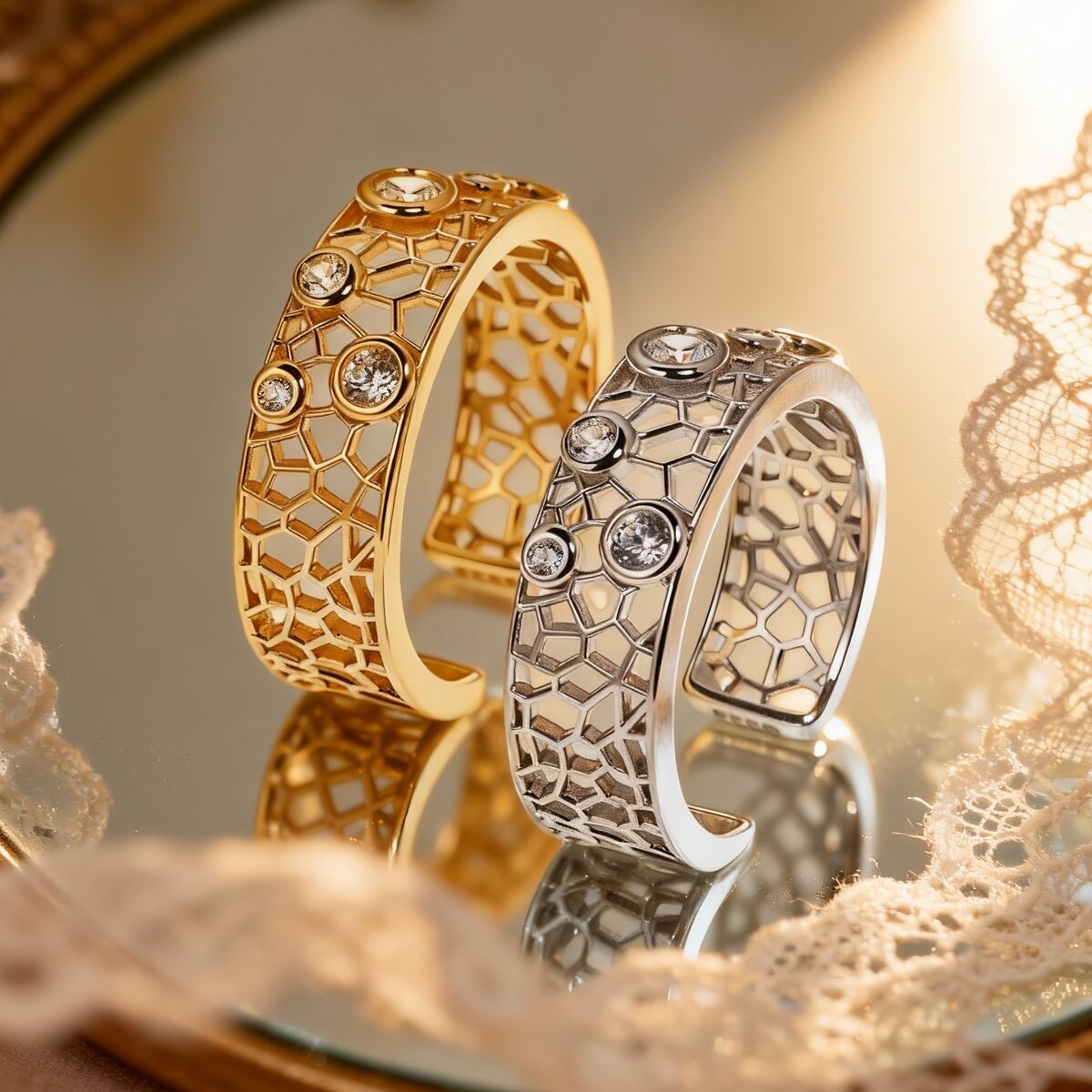
The complexity of 925 sterling silver jewelry procurement extends beyond simple price negotiations to encompass material authenticity, craftsmanship standards, and regulatory compliance. Each procurement decision carries potential financial and reputational consequences that require careful evaluation and risk mitigation strategies. Professional buyers must navigate supplier capabilities, manufacturing processes, and quality control measures to ensure successful outcomes for their organizations.
Material Quality and Authenticity Risks
Silver Purity Verification Challenges
The most fundamental risk in 925 sterling silver jewelry procurement involves verifying the actual silver content of purchased items. Authentic 925 sterling silver jewelry contains 92.5% pure silver, with the remaining 7.5% typically consisting of copper or other alloys for durability. However, unscrupulous suppliers may provide jewelry with lower silver content while claiming 925 sterling silver standards.
Professional testing methods such as acid tests, electronic silver testers, or X-ray fluorescence spectroscopy can reveal silver purity levels, but these verification processes often occur after delivery. This timing gap creates procurement risks where buyers discover quality issues only after completing transactions. Establishing clear testing protocols and supplier agreements regarding silver purity verification helps mitigate these material authenticity risks.
Alloy Composition Inconsistencies
Beyond silver content verification, 925 sterling silver jewelry procurement involves risks related to alloy composition variability. Different copper percentages and additional metals affect jewelry durability, color consistency, and tarnish resistance. Suppliers may use varying alloy formulations across different production batches, leading to inconsistent product characteristics that impact customer satisfaction.
The choice of alloy materials also influences jewelry manufacturing costs and final retail pricing. Procurement teams must understand how alloy variations affect product performance and establish specifications that ensure consistent quality across all 925 sterling silver jewelry orders. Regular communication with suppliers regarding alloy standards and batch consistency helps minimize these composition-related procurement risks.
Supplier Reliability and Manufacturing Risks
Production Capacity and Timeline Challenges
Manufacturing capacity limitations present significant procurement risks when ordering 925 sterling silver jewelry, particularly during peak seasons or for large volume requirements. Suppliers may overcommit to production schedules without adequate manufacturing resources, leading to delivery delays that disrupt business operations and customer commitments.
Evaluating supplier production capabilities involves assessing manufacturing equipment, skilled workforce availability, and existing order commitments. Procurement professionals should conduct facility inspections and review production capacity documentation to ensure suppliers can meet delivery requirements. Establishing backup supplier relationships provides additional protection against production capacity-related risks in 925 sterling silver jewelry procurement.
Quality Control System Deficiencies
Inconsistent quality control processes represent major procurement risks that can result in defective 925 sterling silver jewelry deliveries. Suppliers with inadequate inspection procedures may ship products containing manufacturing defects, finishing irregularities, or dimensional inaccuracies that require costly returns and replacements.
Comprehensive quality control systems should include incoming material inspections, in-process monitoring, and final product testing before shipment. Procurement teams must evaluate supplier quality management systems and establish clear quality standards for all 925 sterling silver jewelry orders. Regular quality audits and performance monitoring help identify and address quality control deficiencies before they impact product deliveries.
Financial and Commercial Procurement Risks
Price Volatility and Cost Management
Silver market price fluctuations create significant financial risks in 925 sterling silver jewelry procurement, as raw material costs can vary substantially over short periods. Suppliers may adjust pricing during production cycles, leading to unexpected cost increases that impact profit margins and budget allocations.
Effective procurement strategies include establishing price protection mechanisms, such as fixed-price contracts for specific time periods or volume commitments. Understanding silver market trends and seasonal patterns helps procurement professionals time their purchases to minimize cost volatility impacts. Long-term supplier partnerships often provide better price stability compared to spot market purchases.
Payment Terms and Financial Security
Payment structure arrangements present procurement risks related to cash flow management and supplier financial stability. Advance payment requirements for 925 sterling silver jewelry orders create exposure to supplier insolvency or performance failures. Conversely, extended payment terms may indicate supplier financial difficulties that could affect order fulfillment.
Balanced payment structures that align with production milestones and delivery schedules help minimize financial risks for both parties. Procurement teams should evaluate supplier financial stability through credit checks and reference verification. Establishing appropriate payment terms and security measures protects against financial losses while maintaining positive supplier relationships.
Regulatory Compliance and Documentation Risks
Import Regulations and Customs Compliance
International procurement of 925 sterling silver jewelry involves complex regulatory requirements that create compliance risks for importing businesses. Incorrect product classifications, missing documentation, or inadequate country-of-origin declarations can result in customs delays, penalties, or shipment rejections.
Procurement professionals must understand relevant import regulations, duty rates, and documentation requirements for 925 sterling silver jewelry in their target markets. Working with experienced customs brokers and ensuring supplier compliance with export documentation standards helps minimize regulatory risks. Regular updates on changing trade regulations and tariff structures protect against unexpected compliance issues.
Product Safety and Certification Requirements
Consumer safety regulations impose certification and testing requirements for 925 sterling silver jewelry that create procurement compliance risks. Lead content restrictions, nickel release limits, and other safety standards vary by jurisdiction and require appropriate testing and documentation.
Supplier certification programs and third-party testing protocols ensure 925 sterling silver jewelry meets applicable safety standards. Procurement teams should verify supplier compliance capabilities and maintain comprehensive documentation for all safety-related requirements. Regular monitoring of regulatory changes and industry standards helps maintain ongoing compliance throughout the procurement process.
FAQ
How can buyers verify the authenticity of 925 sterling silver jewelry during procurement?
Buyers can verify authenticity through multiple methods including hallmark inspection, professional testing services, and supplier certification verification. Requesting test certificates from accredited laboratories and conducting random sampling tests help ensure silver purity compliance. Establishing clear testing protocols in supplier agreements provides additional verification mechanisms.
What are the most effective strategies for managing silver price volatility in procurement?
Effective strategies include negotiating price protection clauses, establishing volume commitments for better pricing, and timing purchases based on market analysis. Long-term supplier partnerships often provide more stable pricing compared to spot market purchases. Some buyers use silver futures contracts to hedge against price fluctuations.
How should procurement teams evaluate supplier manufacturing capabilities for large orders?
Evaluation should include facility inspections, production capacity assessments, and review of existing order commitments. Buyers should verify manufacturing equipment capabilities, skilled workforce availability, and quality control systems. References from other customers and financial stability assessments provide additional supplier evaluation insights.
What documentation is essential for international procurement of 925 sterling silver jewelry?
Essential documentation includes commercial invoices with accurate product descriptions, certificates of origin, material composition certificates, and safety compliance documentation. Import permits, customs declarations, and shipping documentation must comply with destination country requirements. Maintaining comprehensive procurement records supports customs clearance and regulatory compliance.
Table of Contents
- Material Quality and Authenticity Risks
- Supplier Reliability and Manufacturing Risks
- Financial and Commercial Procurement Risks
- Regulatory Compliance and Documentation Risks
-
FAQ
- How can buyers verify the authenticity of 925 sterling silver jewelry during procurement?
- What are the most effective strategies for managing silver price volatility in procurement?
- How should procurement teams evaluate supplier manufacturing capabilities for large orders?
- What documentation is essential for international procurement of 925 sterling silver jewelry?