
 EN
EN




Assessing production capacity for handmade jewelry orders requires a systematic evaluation of multiple interconnected factors that directly influence your ability to fulfill customer demands while maintaining quality standards. Unlike mass-produced accessories, handmade jewelry involves intricate craftsmanship where each piece demands individual attention, specialized techniques, and varying completion times that must be carefully calculated to establish realistic production timelines and capacity limits.
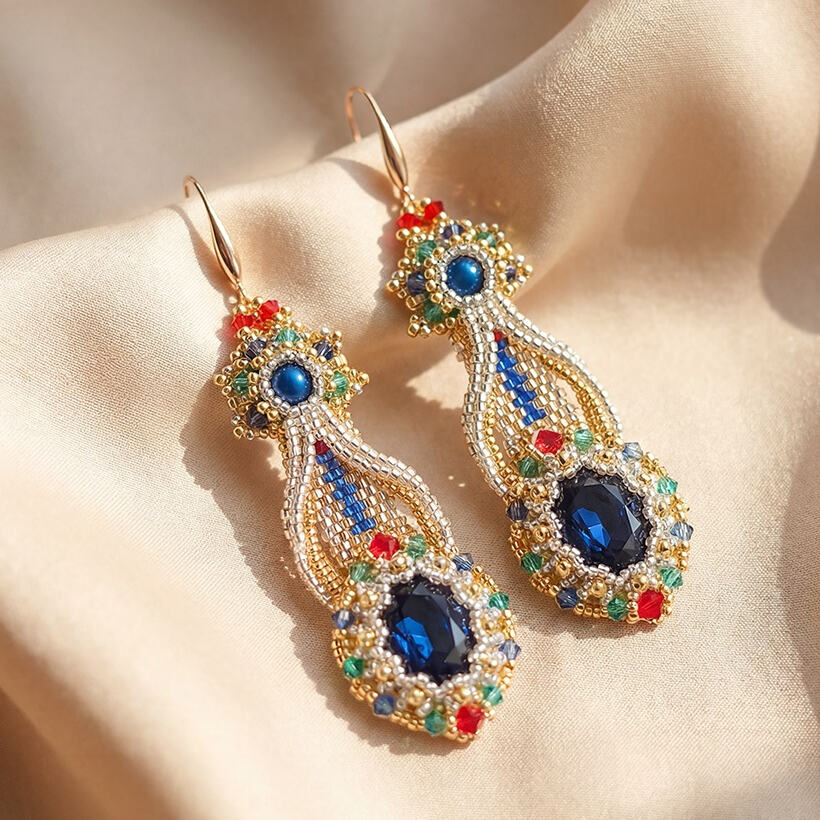
Understanding your production capacity becomes crucial when scaling your handmade jewelry business, as miscalculations can lead to disappointed customers, compromised quality, or overwhelming production schedules. The assessment process involves analyzing your current capabilities, identifying bottlenecks, and establishing sustainable workflows that align with market demands while preserving the artisanal value that distinguishes handmade jewelry from commercially manufactured alternatives.
Core Production Variables in Handmade Jewelry Manufacturing
Time Requirements by Jewelry Type
Different categories of handmade jewelry demand varying production times that significantly impact your overall capacity assessment. Simple stud earrings might require 2-3 hours from start to finish, while complex statement necklaces with intricate beadwork or wire wrapping can consume 15-20 hours of focused craftsmanship. Understanding these time differentials helps establish realistic production schedules and pricing structures.
Rings present unique timing challenges in handmade jewelry production, as sizing adjustments, stone setting, and band finishing require precision that cannot be rushed. A basic handcrafted ring might need 4-6 hours, while elaborate designs with multiple gemstones or detailed metalwork can extend to 12-15 hours. These variations must be factored into capacity calculations to avoid overcommitting to orders.
Bracelets and chains involve repetitive techniques that can benefit from batch production methods, yet each piece still requires individual attention for quality control and finishing touches. The time investment for handmade jewelry bracelets typically ranges from 3-8 hours depending on complexity, material choices, and decorative elements incorporated into the design.
Skill Level and Expertise Requirements
Production capacity assessment must account for the skill levels required for different handmade jewelry techniques, as not every artisan possesses equal proficiency across all jewelry-making disciplines. Advanced techniques like granulation, repoussé, or intricate wire sculpture require years of experience and cannot be delegated to novice craftspeople without compromising quality standards that customers expect from premium handmade jewelry.
The learning curve for various handmade jewelry techniques affects production capacity by limiting which team members can handle specific orders. Stone setting, for instance, requires steady hands and extensive practice to avoid damaging precious materials, while basic stringing techniques can be taught relatively quickly to expand production capabilities for simpler designs.
Specialization within your handmade jewelry production team can optimize capacity by allowing artisans to focus on their strongest skills while developing assembly-line efficiency for certain components. However, this approach requires careful coordination to ensure consistent quality across all stages of production and avoid bottlenecks when specialized craftspeople are unavailable.
Equipment and Workspace Limitations
Essential Tools and Machinery Capacity
The availability and condition of specialized equipment directly constrains production capacity for handmade jewelry orders, as many techniques require specific tools that cannot be easily substituted or shared among multiple artisans simultaneously. Soldering stations, rolling mills, and polishing equipment represent significant investments that limit the number of pieces that can be processed concurrently.
Kiln capacity becomes particularly crucial for handmade jewelry incorporating techniques like metal clay firing, glass fusing, or enamel work. These processes require specific temperature cycles that cannot be accelerated without compromising quality, and kiln space limitations directly impact how many pieces can be completed within given timeframes.
Storage and organization systems affect production efficiency by determining how quickly materials and works-in-progress can be accessed during the handmade jewelry creation process. Inadequate storage leads to time waste searching for components, while poor organization can result in material loss or damage that further reduces effective production capacity.
Workspace Design and Flow Optimization
Physical workspace layout significantly influences production capacity by either facilitating smooth workflow transitions or creating inefficiencies that slow down handmade jewelry completion rates. Optimal workspace design places frequently used tools within easy reach while providing adequate lighting and ventilation for detailed craftwork that characterizes quality handmade jewelry.
Safety considerations in handmade jewelry production require specific workspace configurations that may limit the number of artisans who can work simultaneously in a given area. Chemical storage, ventilation requirements for patinas and cleaning solutions, and fire safety protocols for soldering operations must be balanced against space efficiency needs.
Ergonomic factors become increasingly important as production volumes increase, as repetitive strain injuries can severely impact an artisan's ability to maintain consistent quality and pace in handmade jewelry creation. Proper seating, adjustable work surfaces, and adequate break schedules must be factored into realistic capacity assessments.
Material Procurement and Inventory Management
Supply Chain Reliability Assessment
Material availability directly impacts production capacity for handmade jewelry orders, as specialized components like quality gemstones, precious metals, or unique findings may have extended lead times or limited availability. Establishing reliable supplier relationships and maintaining strategic inventory levels helps ensure consistent production capabilities without excessive capital investment in materials.
Quality consistency in materials affects production efficiency, as substandard components require additional sorting, modification, or replacement time that reduces overall capacity. Handmade jewelry relies heavily on material quality to achieve the finished appearance that customers expect, making supplier vetting and quality control processes essential components of capacity planning.
Seasonal availability of certain materials can create capacity fluctuations that must be anticipated in production planning. Some gemstones, pearls, or organic materials may have limited harvesting seasons, while precious metal prices fluctuate based on market conditions that can affect material procurement strategies for handmade jewelry production.
Inventory Optimization Strategies
Balancing inventory investment with production flexibility requires careful analysis of material usage patterns across different handmade jewelry designs to identify common components that can be purchased in bulk while avoiding excess investment in specialized materials with limited applications.
Storage conditions for various materials used in handmade jewelry production affect both material longevity and workspace organization. Proper humidity control for organic materials, tarnish prevention for metals, and secure storage for valuable components must be integrated into capacity planning to ensure materials remain usable when needed.
Just-in-time inventory strategies can optimize cash flow while maintaining production capacity, but require sophisticated forecasting and supplier coordination to avoid production delays when specific materials are needed for handmade jewelry orders.
Quality Control and Finishing Processes
Multi-Stage Quality Assessment
Quality control processes in handmade jewelry production require multiple checkpoints that add time to each piece while ensuring customer satisfaction and brand reputation protection. Initial material inspection, in-process quality checks, and final finishing evaluations must be factored into production timelines to maintain the standards expected from premium handmade jewelry.
The percentage of pieces requiring rework or adjustment affects overall production capacity, as quality issues discovered during inspection stages can require significant additional time to correct. Experienced artisans typically produce fewer pieces requiring rework, while newer craftspeople may need additional quality control time built into production schedules.
Documentation requirements for handmade jewelry quality control, including material certifications, craftsmanship standards, and customer specifications, add administrative time that must be included in capacity calculations alongside the physical production work.
Finishing and Packaging Considerations
Final finishing processes like polishing, cleaning, and protective coating application require specific time allocations that vary based on the complexity and materials used in each handmade jewelry piece. These finishing steps cannot be rushed without compromising the professional appearance that distinguishes quality handmade jewelry from amateur crafts.
Packaging and presentation requirements for handmade jewelry orders add completion time that must be factored into production capacity assessments. Custom packaging, care instruction preparation, and shipping preparation can add 15-30 minutes per piece depending on customer requirements and brand standards.
Photography and documentation for custom handmade jewelry pieces may be required for customer approval or portfolio purposes, adding additional time requirements that affect overall production capacity and must be scheduled appropriately to avoid delays.
Order Management and Workflow Optimization
Batch Production Strategies
Grouping similar handmade jewelry orders into production batches can significantly improve efficiency by allowing artisans to complete repetitive tasks in sequence rather than switching between different techniques for each piece. This batching approach works particularly well for components like jump rings, ear wires, or chain segments that appear in multiple designs.
However, batch production must be balanced against customer delivery expectations and inventory carrying costs, as producing large quantities of similar handmade jewelry pieces ties up working capital and workshop space while potentially delaying fulfillment of other orders.
Mixed batching strategies can optimize both efficiency and flexibility by combining compatible techniques across different handmade jewelry designs, such as completing all soldering work for various pieces in one session while the equipment is properly heated and configured.
Production Scheduling Systems
Effective scheduling systems for handmade jewelry production must account for the variable nature of artisanal work while providing customers with realistic delivery estimates. Buffer time should be built into schedules to accommodate unexpected complications, material issues, or quality concerns that commonly arise in handcrafted production.
Priority management becomes crucial when dealing with multiple handmade jewelry orders with different complexity levels and delivery requirements. Rush orders may disrupt optimal production flow and should be priced accordingly to account for the efficiency losses they create.
Capacity planning software or simple spreadsheet systems can help track production progress and identify bottlenecks before they impact delivery commitments for handmade jewelry orders, allowing proactive adjustments to maintain customer satisfaction.
FAQ
How many pieces of handmade jewelry can one artisan typically produce per day?
The daily production capacity for handmade jewelry varies dramatically based on design complexity, artisan skill level, and available tools. A skilled craftsperson might complete 3-5 simple pieces like basic earrings or pendants, while complex statement pieces may require multiple days to finish properly. Factors like material preparation, quality control, and finishing work must be included in realistic daily capacity estimates.
What percentage of production time should be allocated to quality control for handmade jewelry?
Quality control typically accounts for 15-25% of total production time in handmade jewelry manufacturing, including material inspection, in-process checks, and final evaluation. This percentage increases for complex pieces or when working with expensive materials where mistakes are costly. Experienced artisans may require less quality control time, while newer craftspeople need more thorough checking procedures.
How should seasonal demand fluctuations be factored into capacity planning?
Seasonal demand patterns for handmade jewelry require capacity flexibility through strategies like building inventory during slower periods, training additional part-time artisans for peak seasons, or adjusting product mix toward quicker-to-produce items during high-demand periods. Holiday seasons typically see 40-60% increases in demand, requiring advance planning to meet delivery commitments without compromising quality standards.
What contingency planning is necessary for handmade jewelry production capacity?
Effective contingency planning for handmade jewelry production should include backup suppliers for critical materials, cross-training artisans in multiple techniques, maintaining emergency inventory of common components, and establishing relationships with trusted subcontractors who can assist during capacity overloads. Additionally, having repair and replacement protocols helps maintain customer satisfaction when quality issues arise despite careful production planning.
Table of Contents
- Core Production Variables in Handmade Jewelry Manufacturing
- Equipment and Workspace Limitations
- Material Procurement and Inventory Management
- Quality Control and Finishing Processes
- Order Management and Workflow Optimization
-
FAQ
- How many pieces of handmade jewelry can one artisan typically produce per day?
- What percentage of production time should be allocated to quality control for handmade jewelry?
- How should seasonal demand fluctuations be factored into capacity planning?
- What contingency planning is necessary for handmade jewelry production capacity?