
 EN


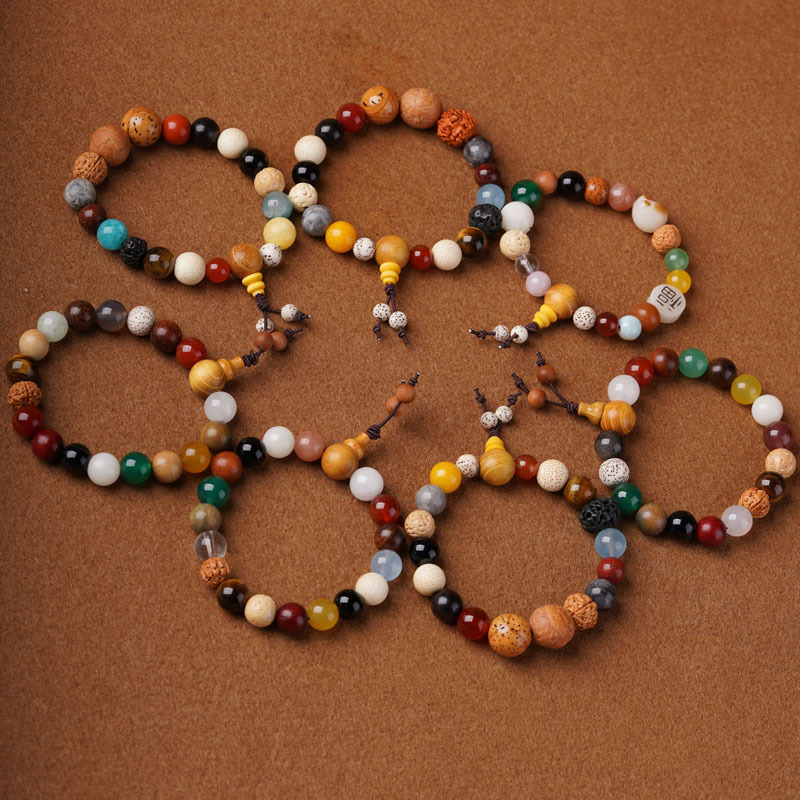
Wholesale distributors of jewelry face a critical challenge when sourcing products: ensuring that each bracelet can withstand real-world wear and maintain aesthetic appeal through multiple seasons of customer use. Durability assessment is not a single metric but a comprehensive evaluation framework that examines material composition, manufacturing standards, structural integrity, and resistance to environmental factors. For wholesale buyers, understanding how to properly evaluate bracelet durability directly impacts inventory turnover, customer satisfaction, return rates, and ultimately profitability.
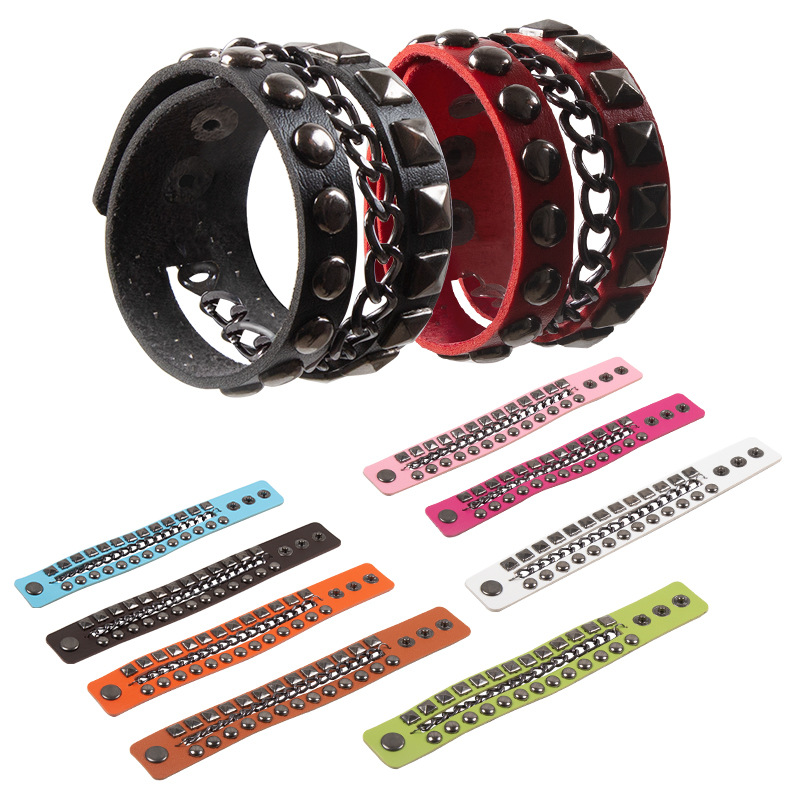
The wholesale bracelet market demands rigorous quality control because end consumers expect consistent performance across batch purchases. A poorly constructed bracelet that tarnishes, breaks, or discolors within weeks creates customer dissatisfaction, amplifies returns, and damages your distribution reputation. This guide provides wholesale buyers with practical frameworks for assessing bracelet durability, identifying red flags in supplier offerings, and making informed purchasing decisions that balance cost efficiency with quality standards.
Material Quality and Composition Standards
Understanding Metal Base and Plating Thickness
The foundation of any durable bracelet lies in its core material and surface treatments. A bracelet made from solid stainless steel, titanium, or genuine precious metals offers inherent durability advantages over those with thinner plating or lower-grade alloys. When evaluating bracelet materials, request detailed specifications including the exact metal type, plating thickness measured in microns, and the base metal composition. Quality wholesale suppliers should provide third-party testing certificates confirming material authenticity and thickness compliance with industry standards.
Gold-plated bracelets require particular scrutiny because plating thickness directly determines how long the bracelet maintains its appearance. A bracelet with 18K gold plating at 2.5 microns or thicker will resist daily wear far better than thin 0.5 micron applications. Similarly, a bracelet constructed on stainless steel bases resists corrosion better than cheaper alternatives like pot metal or zinc alloys. When sourcing wholesale bracelets, always prioritize suppliers who can guarantee minimum plating specifications and provide batch testing certificates for each production run.
Corrosion Resistance and Environmental Factors
A bracelet's durability depends significantly on its ability to resist environmental attack from moisture, perspiration, and atmospheric exposure. Stainless steel bracelets, particularly those using 316L grade stainless, offer superior corrosion resistance compared to lower grades. When assessing a bracelet sample, examine whether the supplier has tested for saltwater resistance, chlorine resistance, and prolonged moisture exposure. A quality bracelet should maintain its finish and structural integrity after being worn through swimming, showering, and daily perspiration contact.
Request that potential suppliers demonstrate how their bracelet performs in salt-spray testing, which simulates months of environmental wear in accelerated timeframes. A bracelet that passes 500-hour salt-spray tests without visible corrosion or plating failure indicates superior durability. This testing becomes especially critical if your wholesale distribution channels include coastal regions, humid climates, or athletic wear categories where moisture exposure is inevitable.
Construction Integrity and Manufacturing Quality
Clasp Mechanism and Joint Durability
The bracelet clasp represents one of the most frequent failure points in wholesale inventory. A poorly designed or cheaply manufactured clasp can fail after dozens of opening and closing cycles, rendering the entire bracelet useless. When evaluating a bracelet sample, test the clasp mechanism at least fifty times to assess build quality, spring tension consistency, and alignment. The clasp should close with positive engagement and open smoothly without requiring excessive force or risk of sudden release.
Examine whether the bracelet clasp uses solid metal construction or cheaper stamped components that crack under stress. High-quality wholesale bracelets feature seamless integration between the clasp and the band, with proper weight distribution that prevents stress concentration. Request that suppliers specify their clasp failure rates from field testing and provide statistical data on durability over extended customer use periods. A bracelet with less than 2 percent clasp failure rate within the first year of consumer ownership represents acceptable wholesale quality.
Solder Joints and Band Connections
Where different bracelet components connect—such as links, charms, or band segments—solder joints and mechanical connections determine structural longevity. Inspect the bracelet for visible solder beads, uneven joining, or gaps that suggest weak connections. Professional wholesale suppliers use consistent heat-controlled soldering processes that create uniform, robust connections resistant to stress and vibration. When evaluating a bracelet sample, gently attempt to flex joints while listening for any creaking sounds or observing movement, which indicates inadequate solder strength.
Request information about the soldering temperature, cooling protocols, and quality inspection procedures the supplier uses. A bracelet that uses cold-welded or mechanically joined components rather than soldered connections may offer advantages in certain applications. However, the joining method should be clearly specified and appropriate for the intended use case. Test the bracelet by repeatedly flexing the joint area over several minutes to assess whether the connection remains stable or begins to show signs of fatigue cracking.
Performance Testing and Durability Validation
Accelerated Wear and Stress Testing Protocols
Professional wholesale evaluation of a bracelet requires systematic stress testing that simulates months or years of customer wear in compressed timeframes. Conduct flexure testing where the bracelet is bent and straightened repeatedly to assess metal fatigue resistance. Similarly, perform abrasion testing where the bracelet surface is rubbed against textiles and other materials to evaluate plating durability and scratch resistance. A quality bracelet should show minimal surface degradation after 1000 flexure cycles and abrasion test passes.
Implement color-fastness testing to verify that the bracelet's finish does not fade, discolor, or change appearance under prolonged sunlight exposure. This testing becomes essential if your wholesale distribution includes outdoor-oriented customer segments. Request that suppliers provide documented test results from accredited laboratories showing pass/fail outcomes for industry-standard durability benchmarks. A bracelet backed by genuine third-party validation demonstrates supplier commitment to quality and reduces your wholesale risk significantly.
Customer Return and Field Performance Data
Analyze real-world performance metrics by requesting that suppliers share anonymized return rate data, warranty claim patterns, and customer satisfaction scores for the bracelet models under consideration. A bracelet with historical return rates below 3 percent for durability-related issues indicates strong field performance. Review the nature of reported failures to identify whether they stem from design flaws, manufacturing defects, or customer misuse. This data provides invaluable insight into how the bracelet will perform once distributed through your wholesale channels.
Establish pilot purchasing programs where you obtain small quantities of the bracelet, distribute them through select retail partners, and collect feedback over three to six months. This real-world validation captures performance nuances that laboratory testing cannot reveal, particularly regarding aesthetic retention, comfort factors, and long-term clasp functionality. Use pilot program findings to make final purchasing decisions before committing to large wholesale volumes that represent significant inventory investment.
FAQ
What specific material grades offer the best durability for wholesale bracelets?
Stainless steel grades 304 and 316L provide excellent durability for wholesale bracelets, with 316L offering superior corrosion resistance in humid or saltwater environments. Titanium and genuine precious metal bracelets offer premium durability but at higher cost points. For plated bracelets, ensure minimum 18K gold plating at 2.5 microns or equivalent thickness in alternative metals. Always request material certifications and batch testing reports confirming grade specifications for each bracelet purchase.
How often should wholesale buyers test sample bracelets for durability?
Establish a testing protocol that evaluates samples from every production batch before accepting shipments. At minimum, conduct clasp mechanism testing with fifty open-close cycles, flexure testing with 500 cycles, and visual inspection for solder quality and corrosion signs. Request that suppliers perform annual testing on their bracelet manufacturing processes to verify consistency. Implement quarterly audits of field performance data and customer return patterns to identify emerging durability issues before they affect large inventory quantities.
What red flags indicate a bracelet may have durability problems?
Be cautious of bracelets featuring excessively thin plating specifications, unclear material composition, weak or overly loose clasp mechanisms, visible solder irregularities, or suppliers unable to provide testing documentation. Similarly, avoid bracelets with historically high return rates, frequent customer complaints about tarnishing, or corrosion issues reported in humid climates. Request that suppliers demonstrate transparency about their manufacturing processes and quality control measures; evasiveness or lack of specific technical data suggests potential durability compromises that could impact your wholesale distribution success.