
 EN


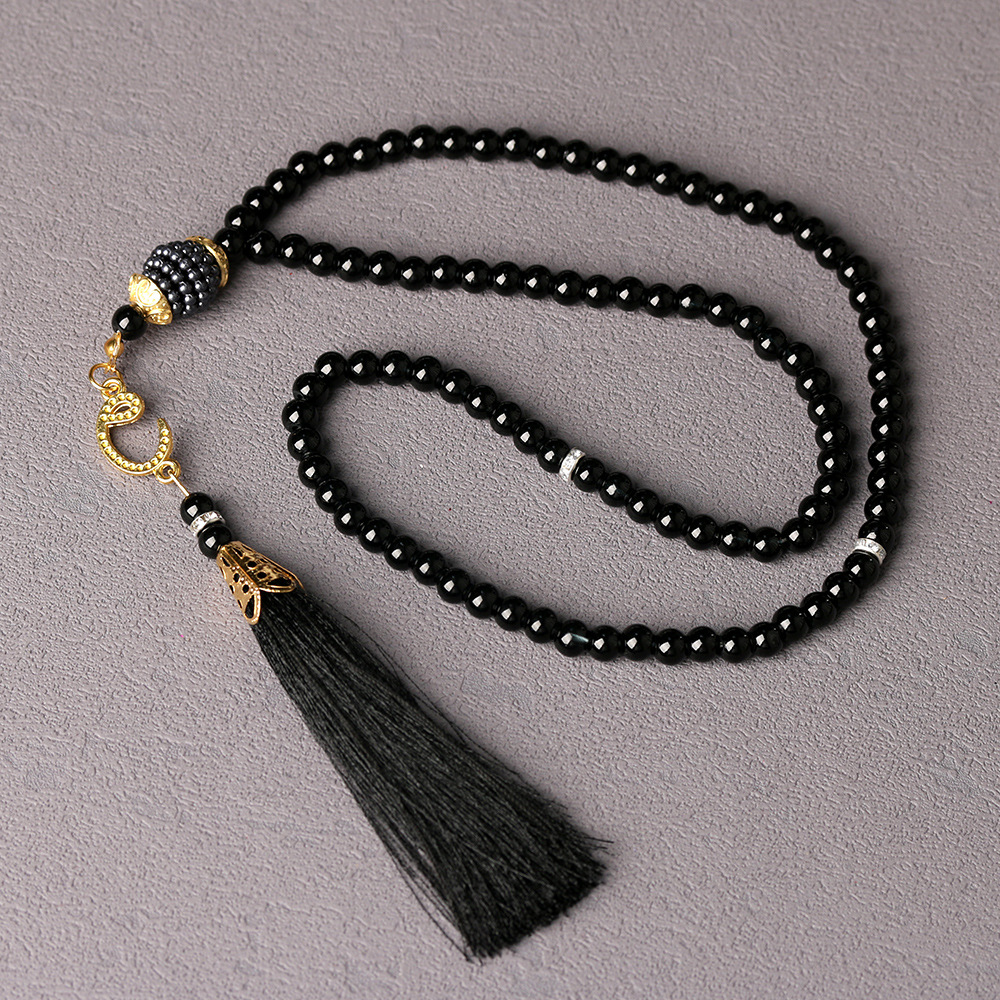
Wholesale necklace supply requires strategic design optimization that balances market demand, production efficiency, and profit margins. Retailers and distributors seeking to expand their necklace offerings must understand how design choices directly impact wholesale viability, cost structure, and customer appeal. The most successful wholesale necklace suppliers recognize that design optimization extends beyond aesthetics—it encompasses material selection, manufacturing complexity, scalability, and market positioning. A well-optimized necklace design can reduce production costs by 15–25% while simultaneously increasing wholesale demand through enhanced visual appeal and durability.
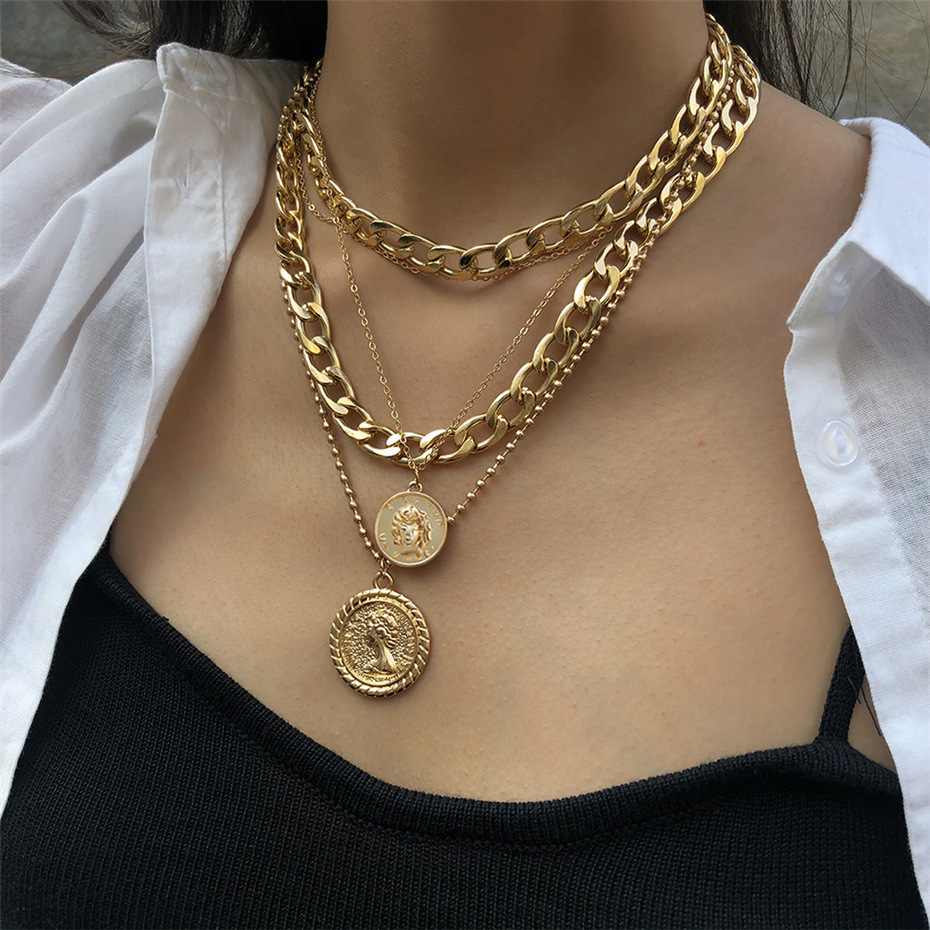
The wholesale necklace market has evolved significantly, with buyers now demanding both quality and versatility. Each necklace design decision—from clasp mechanism to chain weight to pendant dimensions—carries implications for wholesale cost structure and retailer competitiveness. Understanding how to optimize necklace designs for wholesale ensures your products remain attractive to bulk buyers while maintaining healthy margin profiles across inventory levels.
Design Specifications That Drive Wholesale Necklace Demand
Weight and Material Efficiency in Necklace Design
Weight directly impacts both production cost and perceived value in wholesale necklace offerings. A carefully optimized necklace maintains visual impact while minimizing material waste and manufacturing overhead. Designers working on wholesale necklace collections should target specific length specifications—typically 16, 18, or 20 inches—because these standardized dimensions reduce tooling adjustments and allow suppliers to batch-produce multiple necklace styles simultaneously. Material selection fundamentally shapes wholesale necklace economics; gold-plated, sterling silver, or stainless steel necklaces each offer distinct cost-to-value ratios that appeal to different wholesale market segments.
Chain Type and Clasp Mechanism Optimization
The necklace chain type determines both aesthetic appeal and manufacturing complexity. Box chains, cable chains, and specialty link necklaces each carry different production requirements and wholesale pricing structures. For wholesale necklace production, simpler chain mechanisms reduce per-unit costs significantly while maintaining durability and market appeal. Clasp selection represents another critical necklace design consideration; lobster clasps offer superior durability and reduce warranty claims compared to simpler alternatives. A well-designed necklace incorporates clasps and chain specifications that balance durability, ease of manufacture, and retail shelf appeal without creating unnecessary complexity that raises wholesale costs.
Market Positioning Through Optimized Necklace Collections
Seasonal and Trend-Responsive Necklace Design
Successful wholesale necklace suppliers track market trends while maintaining design consistency across seasonal collections. A strategic necklace design portfolio includes timeless pieces that maintain consistent wholesale demand alongside trend-forward items that capture seasonal interest. The most resilient wholesale necklace collections blend 60–70% foundational designs with 30–40% trend-responsive pieces, allowing retailers to maintain predictable inventory while capitalizing on emerging preferences. Each necklace within this portfolio must maintain consistent manufacturing standards to ensure wholesale pricing stability and reliable production timelines.
Customization and Differentiation in Necklace Supply
Modern wholesale buyers increasingly seek differentiated necklace options that allow their retail locations to stand apart. Offering customizable necklace elements—adjustable lengths, optional pendant variations, or interchangeable components—creates competitive advantages without requiring entirely separate production lines. A modular necklace design approach enables wholesalers to expand their necklace SKU count without proportional cost increases. This strategy particularly resonates with independent retailers seeking necklace distinctiveness while maintaining wholesale pricing efficiency.
Production Efficiency and Supply Chain Alignment
Manufacturing Scalability in Necklace Production
Optimized necklace designs must accommodate volume increases without sacrificing quality or dramatically escalating per-unit costs. A scalable necklace design utilizes standardized components, consistent joining techniques, and efficient quality control checkpoints that maintain consistency across production batches. Wholesale necklace manufacturers benefit from designs that integrate easily into existing production workflows rather than requiring specialized equipment or extensive retraining. When evaluating a necklace design for wholesale potential, assess whether production can scale from 100-unit batches to 10,000-unit batches while maintaining <5% variance in quality metrics and timeline predictability.
Cost Structure Transparency in Wholesale Necklace Pricing
Successful wholesale necklace relationships require transparent cost structures that align supplier and retailer interests. Necklace pricing should reflect material costs, labor, quality assurance, and packaging while allowing retailers acceptable margin levels. Break-even analysis for each necklace design ensures wholesale viability; designs requiring specialized labor, proprietary materials, or complex assembly often fail to achieve wholesale economics at typical retail price points. The strongest wholesale necklace pricing models maintain consistent margins across design variations, simplifying retailer purchase decisions and inventory planning while protecting supplier profitability.
FAQ
What necklace specifications matter most for wholesale buyers?
Wholesale necklace buyers prioritize durability, consistent quality, ease of display, and margin potential. Necklace length standardization, reliable clasp mechanisms, and tarnish-resistant materials directly influence retailer satisfaction and repeat orders. Additionally, necklace packaging and presentation significantly impact shelf appeal and sales velocity, making these design considerations essential for wholesale success.
How can necklace designers reduce wholesale production costs?
Cost reduction in necklace manufacturing comes through simplified assembly, standardized components, and efficient material utilization. Designers should evaluate each necklace element for necessity; removing redundant connections or unnecessary embellishments reduces both labor time and material waste. Batch-optimized necklace production, where multiple designs share common components, further reduces per-unit costs while maintaining design diversity that attracts wholesale buyers.
Why do necklace designs fail in wholesale markets?
Necklace designs typically underperform in wholesale when they lack scalability, require specialized production techniques, or maintain margins too thin for retailer profitability. Additionally, necklace designs that don't reflect current market trends or fail to differentiate themselves struggle to generate wholesale demand. A necklace must balance manufacturing efficiency, retail appeal, and profit margins; designs excelling in one area while lacking in others typically achieve limited wholesale acceptance and volume.