
 EN


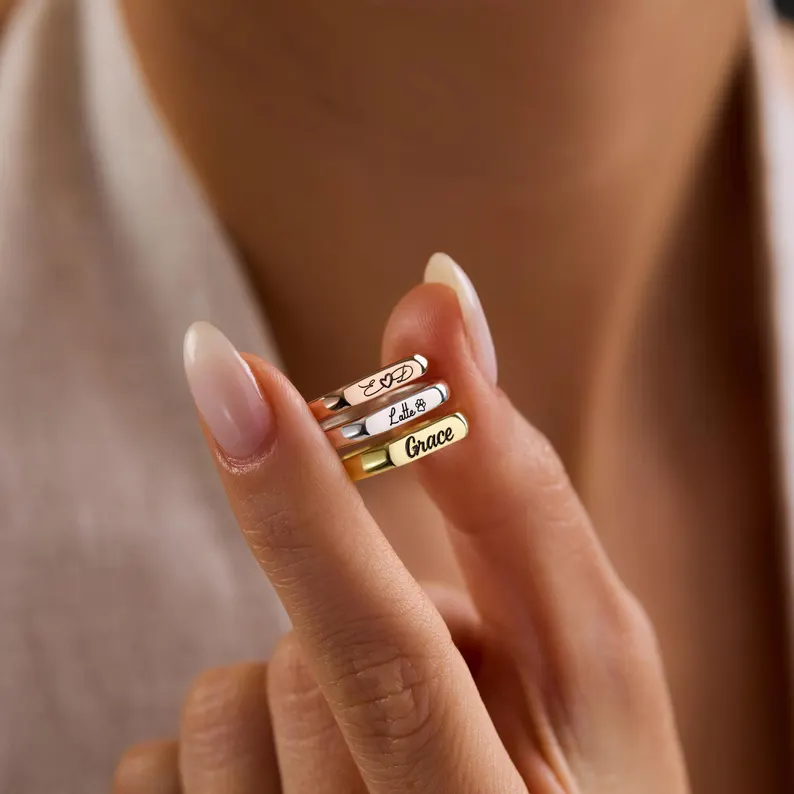
When planning to commission customized jewelry, understanding the design limits that apply to your project is essential for setting realistic expectations and ensuring successful execution. Customized jewelry offers remarkable creative freedom, yet every manufacturing process has inherent constraints that shape what artisans can deliver. These limitations are not obstacles but rather practical realities that influence material selection, structural integrity, timeline, and cost. Knowing these boundaries upfront helps buyers make informed decisions and collaborate more effectively with jewelry designers and craftspeople.
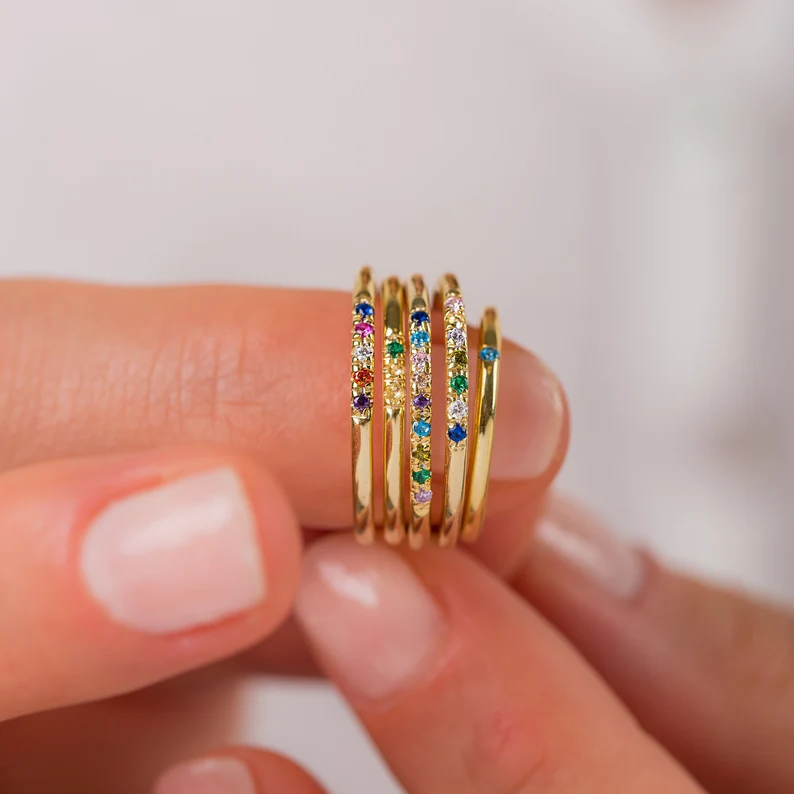
The world of customized jewelry encompasses precious metals, gemstones, and intricate craftsmanship, yet each element carries specific physical and technical constraints. From the thickness of delicate bands to the size of stone settings, from casting capabilities to finishing precision, these design limits directly impact the feasibility and durability of your finished piece. Understanding what customized jewelry makers can and cannot achieve ensures your vision translates into a wearable, beautiful, and long-lasting creation.
Material and Thickness Constraints in Customized Jewelry
Precious Metal Thickness and Structural Requirements
When designing customized jewelry, the thickness of precious metal components is never arbitrary. Gold, silver, platinum, and other metals used in customized jewelry must meet minimum thickness requirements to ensure durability and structural integrity. Bands, shanks, and connecting elements typically cannot be thinner than 1.0 to 1.2 millimeters for rings, as anything thinner risks bending, cracking, or breaking during normal wear. This design limit for customized jewelry reflects the reality that thin metal cannot withstand the constant flexing, friction, and impact your jewelry experiences throughout daily use.
Hollow or open designs in customized jewelry face even stricter constraints. While artisans can create open patterns and geometric cutouts, the walls supporting these open sections must maintain adequate thickness. Many manufacturers recommend minimum wall thicknesses of 0.8 to 1.5 millimeters even in hollow sections of customized jewelry. Failure to respect these thickness limits in your design often results in pieces that cannot be cast reliably, or finished pieces that flex excessively or fail prematurely. Budget considerations also tie to thickness; thicker customized jewelry requires more material and generally costs more to produce.
Metal Alloy Limitations and Workability
Different metal alloys used in customized jewelry carry different workability limits. Sterling silver, 14K gold, 18K gold, and platinum each respond differently to casting, soldering, and hand-finishing techniques. Sterling silver customized jewelry can achieve delicate, intricate details because silver is relatively soft and malleable, but it is also more prone to tarnishing and surface wear. Platinum customized jewelry can withstand higher stress but is exponentially more expensive and demands specialized equipment for casting and finishing. These material characteristics establish hard boundaries for what designs are practical within a given metal choice.
Mixing metals within customized jewelry introduces additional complexity. Two-tone or three-tone customized jewelry designs, while visually striking, require careful attention to thermal expansion rates, soldering compatibility, and structural interfaces. Some metal combinations in customized jewelry designs are simply not practical at consumer price points or demand advanced welding or fusion techniques that few artisans offer. Buyers should discuss metal compatibility early when envisioning a complex customized jewelry concept.
Gemstone Setting and Size Limitations
Stone Size and Setting Durability
Customized jewelry featuring gemstones must respect the relationship between stone size and setting security. A very large diamond or colored stone in a delicate setting risks loosening or falling out during everyday wear, particularly if the setting geometry is unusual. For customized jewelry, larger stones typically require more substantial metal surroundings and stronger prong or bezel designs. A design limit inherent in customized jewelry is that extremely large stones paired with extremely thin metal or minimalist settings creates practical and liability issues for the maker.
The depth and height of stone settings in customized jewelry also face constraints. Very low-profile settings minimize visibility of metal but reduce structural support; very tall settings maximize drama but increase risk of catching on fabric or snagging during wear. Experienced customized jewelry designers typically work within established proportional ranges proven to balance aesthetics and durability. Deviating too far from these ranges often indicates a design that hasn't been tested in real-world wear conditions.
Faceted Stone Availability and Custom Cutting
Custom-cut gemstones for customized jewelry represent another design boundary. While some stones can be cut to order in unusual shapes or proportions, availability and cost escalate dramatically. Mass-market faceted stones like round brilliants, cushions, and emerald cuts simplify customized jewelry design and reduce timeline and expense. Requesting a one-of-a-kind custom cut for your customized jewelry piece adds weeks to production and may cost as much as the stone itself. Understanding this limit helps buyers decide whether an unusual stone shape justifies the premium for their customized jewelry vision.
Certain gemstones used in customized jewelry are inherently fragile. Opals, tanzanites, and other delicate stones are susceptible to scratching, cracking, and moisture damage. Designers of customized jewelry with these gems must therefore use protective settings, avoid exposed edges, and caution clients about care requirements. This design limit isn't about technical impossibility but about realistic durability expectations for customized jewelry worn in everyday conditions.
Technical and Production Boundaries for Customized Jewelry
Casting, Molding, and Detail Resolution
The casting process used to produce customized jewelry imposes resolution and detail limits. Fine wax detail that a craftsperson can hand-carve eventually reaches a minimum feature size below which the wax master cannot be replicated reliably through the lost-wax casting process. Extremely fine textures, hair-thin lines, and micro-details in customized jewelry must be carefully specified, as production methods have practical lower bounds. Detail finer than 0.3 to 0.5 millimeters becomes difficult or impossible to reproduce consistently in metallic form, creating a design limit that customized jewelry makers regularly encounter.
Similarly, undercuts and complex geometries in customized jewelry designs can pose molding or demold challenges. A design element that looks perfect in 2D rendering may not be physically removable from a mold without fracturing the investment material. Experienced designers of customized jewelry understand these mold-release angles and geometry constraints, but clients proposing novel designs should be prepared for feedback about manufacturability. Some customized jewelry concepts require hand-fabrication rather than casting, which dramatically extends timeline and cost.
Surface Finishing and Texture Consistency
Hand-finishing and texturing processes in customized jewelry production face limits tied to labor, equipment precision, and human skill variation. Perfectly uniform hand-brushed or hammered finishes on large surfaces of customized jewelry can be challenging; minute variations are inevitable and part of the handmade charm, but extreme inconsistency reflects poor craftsmanship. Mirror-polished finishes on highly sculptural customized jewelry pieces are labor-intensive and may not be achievable everywhere without damaging fine details nearby. Buyers should clarify finish specifications and acceptable variation tolerances when commissioning customized jewelry.
Complex multi-surface finishes in customized jewelry—combining polished areas, matte sections, and textured details—increase cost and timeline substantially. A simple unified finish on customized jewelry is most economical; each additional finish zone multiplies hand-labor requirements. This practical limit often guides designers of customized jewelry toward cohesive finish strategies rather than highly segmented approaches.
Sizing, Fit, and Wearing Comfort Limits
Ring Sizing and Adjustability Constraints
Customized jewelry rings must accommodate standard finger sizing while maintaining design integrity. Ring sizes range from approximately size 3 to size 13 in most markets, and customized jewelry designs must flex proportionally across this range without visual distortion. A decorative element perfectly positioned on a size 7 ring may appear awkwardly placed on a size 5 or size 11 version of the same customized jewelry design. Some elaborate customized jewelry designs are only practical within a narrow size window, restricting who can comfortably wear the piece.
Post-production sizing adjustments of customized jewelry also carry limits. Rings can typically be sized up or down by one to two full sizes without compromising the design, but larger adjustments in customized jewelry require reworking band thickness or reshaping the entire shank. Some highly sculptural customized jewelry pieces cannot be resized at all; this is a critical specification buyers must confirm before commissioning. Understanding this design limit ensures no surprises if your finger size changes slightly after purchase.
Weight and Wearing Comfort
The total weight of customized jewelry affects both manufacturing and wearability. Solid gold customized jewelry pieces of substantial size inevitably weigh more than similar designs in silver or platinum alternatives. Extremely heavy customized jewelry can cause fatigue, skin irritation, or discomfort during extended wear, particularly for earrings, pendants, or bracelets. Designers balance visual presence with practical wearing comfort; understanding this limit helps buyers make realistic material and scale decisions for their customized jewelry project.
Density differences also influence customized jewelry design feasibility. Platinum is nearly twice as dense as gold, so platinum customized jewelry of equivalent visual size weighs significantly more. This weight consideration often steers buyers toward gold or silver alternatives for customized jewelry pieces intended for frequent wear, despite platinum's superior durability and prestige value.
FAQ
What is the most common design limit when commissioning customized jewelry?
The most frequently encountered design limit in customized jewelry is metal thickness. Buyers often underestimate how thin precious metal can be made while maintaining durability; designs proposing extremely delicate bands, ultra-thin shanks, or minimal metal around stone settings often require revision during the customized jewelry production planning phase. Respecting minimum thickness recommendations ensures your customized jewelry will be durable and long-lasting rather than fragile or prone to damage.
Can extremely intricate or complex designs be achieved in customized jewelry?
Extremely intricate designs in customized jewelry are possible but come with increased costs, extended timelines, and higher technical risk. Hand-fabrication becomes necessary for complex customized jewelry pieces beyond conventional casting capabilities. Experienced craftspeople can achieve remarkable detail in customized jewelry, but simpler, more streamlined designs complete faster and reduce the chance of production complications. Discussing design complexity early with your customized jewelry maker ensures realistic expectations and budgeting.
How do I ensure my customized jewelry design is manufacturable?
The best approach is to collaborate closely with a skilled customized jewelry designer or manufacturer before finalizing your design. Present your concept, discuss material preferences, acknowledge design limits together, and request feedback on feasibility and production approach. Professional makers of customized jewelry will honestly assess whether your vision is practical or needs modification. This collaborative process transforms design limits from frustrating constraints into guidelines that lead to successful, wearable customized jewelry you'll treasure.