
 EN


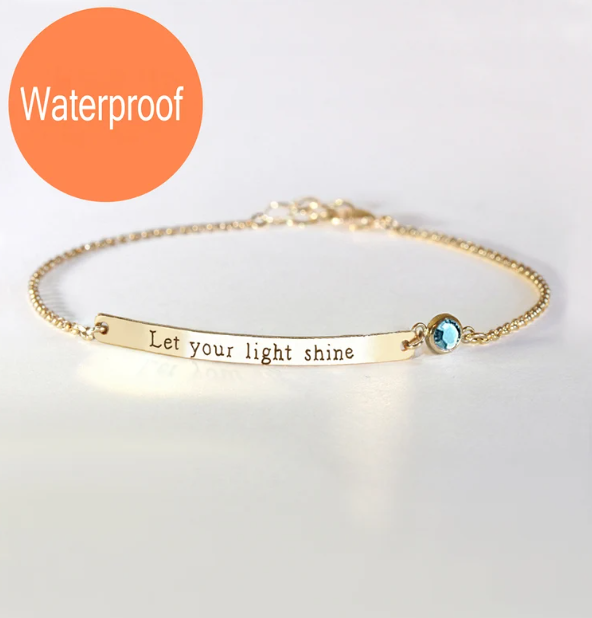
The creation of customized jewelry represents a sophisticated blend of artistry, technical precision, and personalized craftsmanship. Understanding the production workflow for customized jewelry is essential for both consumers seeking to commission pieces and industry professionals managing creative operations. The journey from initial concept to final product involves multiple carefully orchestrated stages, each contributing uniquely to the quality and authenticity of the finished piece. Customized jewelry production demands expertise in design translation, material selection, and meticulous execution to ensure that every client vision becomes a tangible reality.

When someone decides to invest in customized jewelry, they enter into a process that respects their individual preferences while maintaining the highest standards of craftsmanship. The production workflow for customized jewelry has evolved significantly with modern technology, yet continues to honor traditional techniques that define luxury and exclusivity. Each stage of this workflow serves a critical function in transforming raw materials and creative aspirations into wearable art that holds personal significance for years to come. Exploring this comprehensive journey reveals why customized jewelry commands premium value and deserves careful attention during the ordering process.
Initial Consultation and Design Conception
Understanding Client Vision
The production workflow for customized jewelry begins with thorough consultation between the client and skilled designers or jewelers. During this stage, professionals listen carefully to understand the client's aesthetic preferences, lifestyle requirements, and emotional significance behind the piece. Designers ask detailed questions about metal preferences, gemstone selections, sizing specifications, and timeline expectations. This discovery phase ensures that customized jewelry will authentically reflect the client's personality rather than forcing them into predetermined options. Documentation of these preferences creates the foundation upon which all subsequent customized jewelry decisions will be made.
Concept Development and Technical Sketching
Once the designer understands the vision, they begin creating preliminary sketches and concept drawings for the customized jewelry piece. These initial renderings translate verbal descriptions into visual formats that clients can review, critique, and refine. Modern customized jewelry workshops often employ digital design tools alongside traditional hand-sketching methods to provide clients with three-dimensional visualizations. The designer considers proportion, balance, structural integrity, and manufacturing feasibility throughout this phase. Multiple revisions may occur during concept development for customized jewelry to ensure complete client satisfaction before moving forward with material procurement and actual crafting.
Material Selection and Technical Planning
Metal and Gemstone Sourcing
The production workflow for customized jewelry requires strategic selection of materials that align with design specifications, durability requirements, and budget parameters. Jewelers source precious metals such as sterling silver, gold alloys, platinum, or palladium based on client preferences and design demands for customized jewelry. Gemstone selection involves evaluating quality factors including clarity, color, cut, and carat weight to achieve the desired aesthetic impact. Ethical sourcing has become increasingly important in modern customized jewelry production, with many clients requesting documentation of gemstone origin and conflict-free certification. All materials for customized jewelry are carefully verified for authenticity and quality before integration into the production process.
Structural Engineering and Material Calculations
Before physical production of customized jewelry begins, engineers and master jewelers calculate precise material quantities, structural load distribution, and manufacturing tolerances. This technical planning phase ensures that the customized jewelry will maintain structural integrity despite the unique design elements that distinguish commissioned work. Material calculations directly impact production costs, so accuracy during this stage protects both the jeweler and client from unexpected expenses or compromises in final quality. Engineers assess how stress will be distributed across the design, identify potential weak points, and reinforce these areas proactively. Proper structural planning makes the difference between customized jewelry that remains beautiful for decades and pieces that suffer premature damage or deterioration.
Production and Assembly Execution
Fabrication of Metal Components
The production workflow for customized jewelry moves into active fabrication once design approval and material sourcing are complete. Master craftspeople begin creating individual metal components using traditional techniques like hand-forging, casting, or modern CNC machining, depending on the complexity of the customized jewelry design. Each component is carefully shaped, refined, and finished to exacting specifications that align with the approved design documents. For intricate customized jewelry pieces, components may require multiple iterations and adjustments to achieve perfect fit and aesthetic alignment. Quality inspection occurs at each fabrication milestone to catch and correct any deviations from specifications before components move to the assembly phase.
Stone Setting and Assembly Integration
Once metal components reach their finished state, the production workflow for customized jewelry progresses to stone setting and final assembly. Master setters carefully position gemstones into their designated settings, using specialized techniques such as prong setting, bezel setting, or tension setting depending on the customized jewelry design requirements. Each stone is secured with precision to ensure maximum brilliance while maintaining structural integrity throughout the piece's lifespan. After stone setting, remaining metal components are permanently assembled using soldering, welding, or mechanical fastening methods appropriate for the customized jewelry construction. This assembly stage transforms individual components into a unified, cohesive piece that embodies the original design vision for customized jewelry.
Surface Finishing and Quality Refinement
The production workflow for customized jewelry culminates in comprehensive surface finishing that includes polishing, texturing, and quality verification procedures. Artisans use specialized tools and techniques to achieve the desired surface finish, whether mirror-bright polish, matte texture, antiqued patina, or other aesthetic effects specified for the customized jewelry piece. Quality inspectors examine the finished customized jewelry under magnification to verify that all components align properly, all joints are secure, all stones are firmly set, and no defects or damage are visible. Hallmarking and certification documents are prepared to authenticate materials used in the customized jewelry. Final inspection provides assurance that the piece meets or exceeds the original specifications and client expectations for customized jewelry quality.
FAQ
How long does the production workflow for customized jewelry typically require?
The timeline for customized jewelry production varies significantly based on design complexity, material availability, and current workshop demand. Simple customized jewelry designs may be completed within 2 to 4 weeks, while intricate pieces incorporating rare gemstones or complex metalwork can require 6 to 12 weeks or longer. Clients should communicate timeline expectations early during consultation so the jeweler can manage production scheduling and provide realistic delivery estimates for customized jewelry projects.
What quality assurance measures are implemented throughout the customized jewelry production workflow?
Professional customized jewelry workshops implement multiple checkpoints throughout the production workflow to verify design alignment, material quality, and craftsmanship standards. Inspections occur after each major production stage, with master jewelers evaluating components before assembly, examining stone setting integrity, and conducting final comprehensive reviews of completed customized jewelry. Many artisans also provide photographic documentation at key production milestones to keep clients informed and engaged throughout the customized jewelry creation process.
Can customized jewelry designs be modified during the production workflow?
Design modifications during the production workflow for customized jewelry depend on the production stage and the nature of requested changes. Minor adjustments during early fabrication stages can usually be accommodated without significant delays or cost increases to customized jewelry orders. However, substantial design changes after stone setting or assembly has begun may require restarting portions of the production workflow, resulting in extended timelines and additional costs for customized jewelry modifications.