
 EN


When ordering a necklace, whether for personal use or resale, understanding common defects is essential to ensure you receive a quality product. A necklace that arrives with hidden flaws can damage your reputation, disappoint customers, or simply waste your investment. Many buyers overlook the importance of detailed inspection before finalizing their necklace purchase, only to discover problems after delivery. This guide explores the most frequent defects found in necklace orders and how to identify them early.
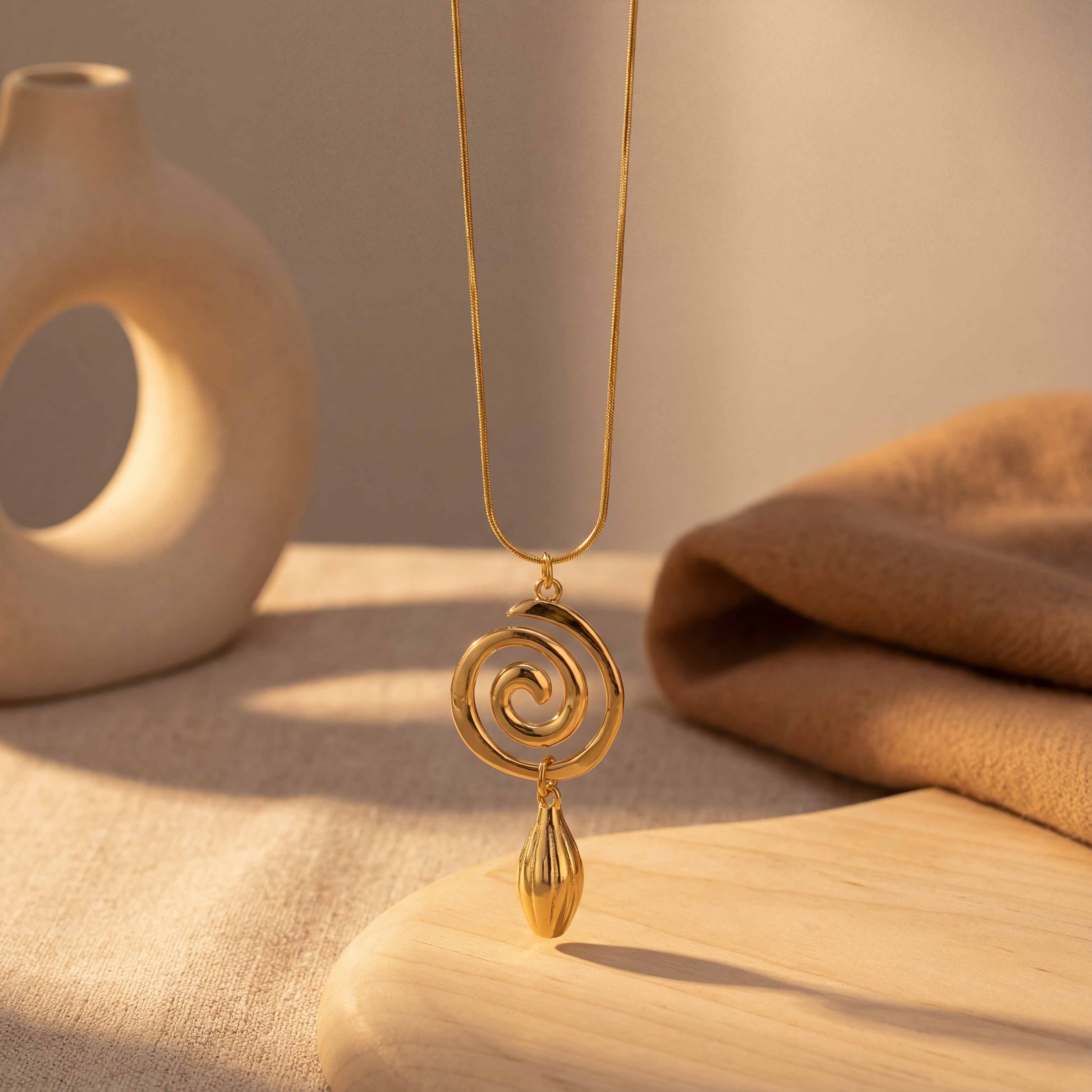
Quality control in necklace manufacturing varies significantly depending on the supplier, production methods, and materials used. Understanding what constitutes a defect helps you communicate effectively with manufacturers and establish clear quality standards. Whether you are purchasing a single necklace or bulk orders, knowing what to watch for protects your investment and ensures customer satisfaction. This article provides practical knowledge to help you evaluate a necklace order before acceptance and avoid costly quality disputes.
Common Physical Defects in Necklace Orders
Chain Breaking and Weak Links
One of the most frequently reported defects in necklace orders is premature chain breakage or weak links in the chain itself. A necklace chain must withstand normal wear without snapping, yet many low-quality necklace orders contain links that fail within weeks of use. This defect typically results from poor welding, inadequate metal thickness, or substandard materials used in the chain construction. When examining a necklace, gently flex the chain to feel for stiff sections or uneven thickness, which indicate potential weak points. A quality necklace should have a consistent, smooth chain with no visible gaps or poorly fused segments.
Clasp Dysfunction
The clasp is a critical component of any necklace, yet it is also a common source of defects in necklace orders. A defective necklace clasp may fail to lock securely, open unexpectedly during wear, or become difficult to manipulate. Clasps that are too loose or too tight render the necklace impractical and unsafe, as the necklace may slip off unnoticed or require excessive force to fasten. Test the necklace clasp multiple times before accepting a necklace order to ensure it functions smoothly and holds firmly. A quality necklace clasp should click into place with a satisfying snap and require deliberate effort to open.
Surface and Finish Defects in Necklace Products
Plating Wear and Corrosion
Plating defects represent a significant portion of quality complaints in necklace orders, particularly for gold-plated, silver-plated, or other metal-coated designs. A defective necklace may show areas where the plating has already begun to wear, flake, or corrode before the customer even receives it. This occurs when the necklace plating is too thin, applied unevenly, or not properly bonded to the base metal. Inspect a necklace carefully under good lighting to spot any discoloration, spots, or areas where the underlying metal shows through. A quality necklace should maintain uniform color and finish across the entire surface, with no visible tarnishing or degradation immediately upon inspection.
Polish and Finish Inconsistencies
The visual finish of a necklace should be consistent and professional across all components, yet many necklace orders arrive with uneven polishing or rough spots. Some sections of a necklace may be highly polished while others appear dull or scratched, indicating poor quality control during the finishing process. These finish inconsistencies not only affect the aesthetic appeal but also suggest that the necklace may have other underlying quality issues. Run your finger carefully along the entire necklace to feel for any rough areas, scratches, or spots where the surface feels uneven. A quality necklace should have a smooth, consistent finish that feels refined to the touch.
Structural and Assembly Issues in Necklace Manufacturing
Solder Joints and Connection Points
Defects at solder joints represent a critical concern in any necklace order, as these connection points bear the stress of normal wear. A necklace with poorly soldered joints may break unexpectedly or show visible cracks at connection points even when new. Examine every connection point on the necklace, including where the chain meets the clasp, where pendants attach, and where different chain segments join. Look for excess solder buildup, gaps, or visible cracks around these joints, which indicate a defective necklace that will likely fail prematurely. Professional necklace manufacturing requires precise soldering techniques and quality materials to ensure that every connection on a necklace remains secure throughout the product's lifespan.
Pendant and Attachment Stability
When a necklace features a pendant or decorative attachment, this element must be securely affixed and properly aligned. A defective necklace pendant may be loose, tilted at an odd angle, or poorly attached, indicating manufacturing negligence. Test any pendant on a necklace by gently wiggling it to confirm it does not move or rotate unexpectedly. The attachment point should be reinforced and properly sealed so that the pendant cannot separate during normal wear. A quality necklace with a pendant should feel solid and unified, with all decorative elements perfectly aligned and immovable.
Material and Composition Defects in Necklace Orders
Incorrect Metal Composition
Some necklace orders arrive with materials that do not match the specifications or marketing claims. A necklace advertised as solid gold, for example, may actually be a low-quality alloy or gold-plated base metal. Request material certifications for high-value necklace orders and verify the composition through independent testing if necessary. Material misrepresentation is a serious issue that undermines trust and may violate consumer protection laws. Always confirm that a necklace matches its claimed composition before finalizing payment or distribution.
Allergy-Causing Materials
A necklace containing nickel or other allergens without proper disclosure creates both health risks and legal liability. Some base metals used in low-cost necklace manufacturing contain high levels of nickel, which causes allergic reactions in sensitive individuals. Confirm that a necklace is hypoallergenic or clearly labeled if it contains known allergens. This is particularly important if the necklace is being sold to customers or marketed as suitable for sensitive skin. A quality necklace should either use hypoallergenic materials or clearly communicate any potential allergen risks.
Dimensional and Fit Issues in Necklace Orders
Incorrect Length and Sizing
Length discrepancies represent a common complaint in necklace orders, especially when ordering multiple units. A necklace that is significantly shorter or longer than specified may not fit the intended wearer or match customer expectations. Measure the necklace carefully from end to end and compare it to the stated specifications before accepting the order. Variations of more than half an inch in a necklace length can significantly impact how it looks when worn. Establishing clear length specifications and tolerances with manufacturers helps ensure consistent quality across all necklace orders.
Uneven Weight Distribution
A well-designed necklace should feel balanced when worn, with weight distributed evenly along the chain. A defective necklace may feel lopsided or heavy on one side, indicating uneven construction or material distribution. This issue not only affects comfort but also suggests potential durability problems with a necklace that was not carefully manufactured. Hold a necklace horizontally at the clasp to observe how it hangs and whether all sections feel similarly weighted. A quality necklace should maintain a balanced, comfortable feel regardless of how it is positioned.
FAQ
What are the most critical defects to check in a necklace order?
The most critical defects to inspect in a necklace order include chain integrity and strength, clasp functionality, plating quality, and solder joint stability. These elements directly impact whether the necklace will function properly and last through normal use. Always test the clasp mechanism thoroughly, flex the chain gently to feel for weak points, and examine all connection points under good lighting. Any of these defects in a necklace can render it unsuitable for sale or personal use, making them essential to check before accepting delivery.
How can I prevent defective necklace orders in bulk purchases?
To prevent defective necklace orders when buying in bulk, establish clear quality specifications, request samples before full production, and implement third-party inspection protocols. Communicate exact requirements for materials, dimensions, finishing, and functionality so manufacturers understand your necklace quality standards. Request pre-production samples of your necklace design and conduct detailed inspections before authorizing mass manufacturing. Conduct random inspections of finished necklace units from the production batch to verify consistency and catch defects before shipment.
What recourse do I have if my necklace order arrives with defects?
If your necklace order arrives with defects, document all issues with photographs and detailed notes before contacting the manufacturer or supplier. Most reputable suppliers will replace defective necklace units or issue refunds if presented with clear evidence of quality failures. Review your purchase agreement to understand return policies, dispute resolution processes, and warranty coverage for your necklace order. For serious quality issues or significant losses, consider engaging a third-party mediator or legal counsel to protect your interests regarding the defective necklace shipment.