
 EN
EN



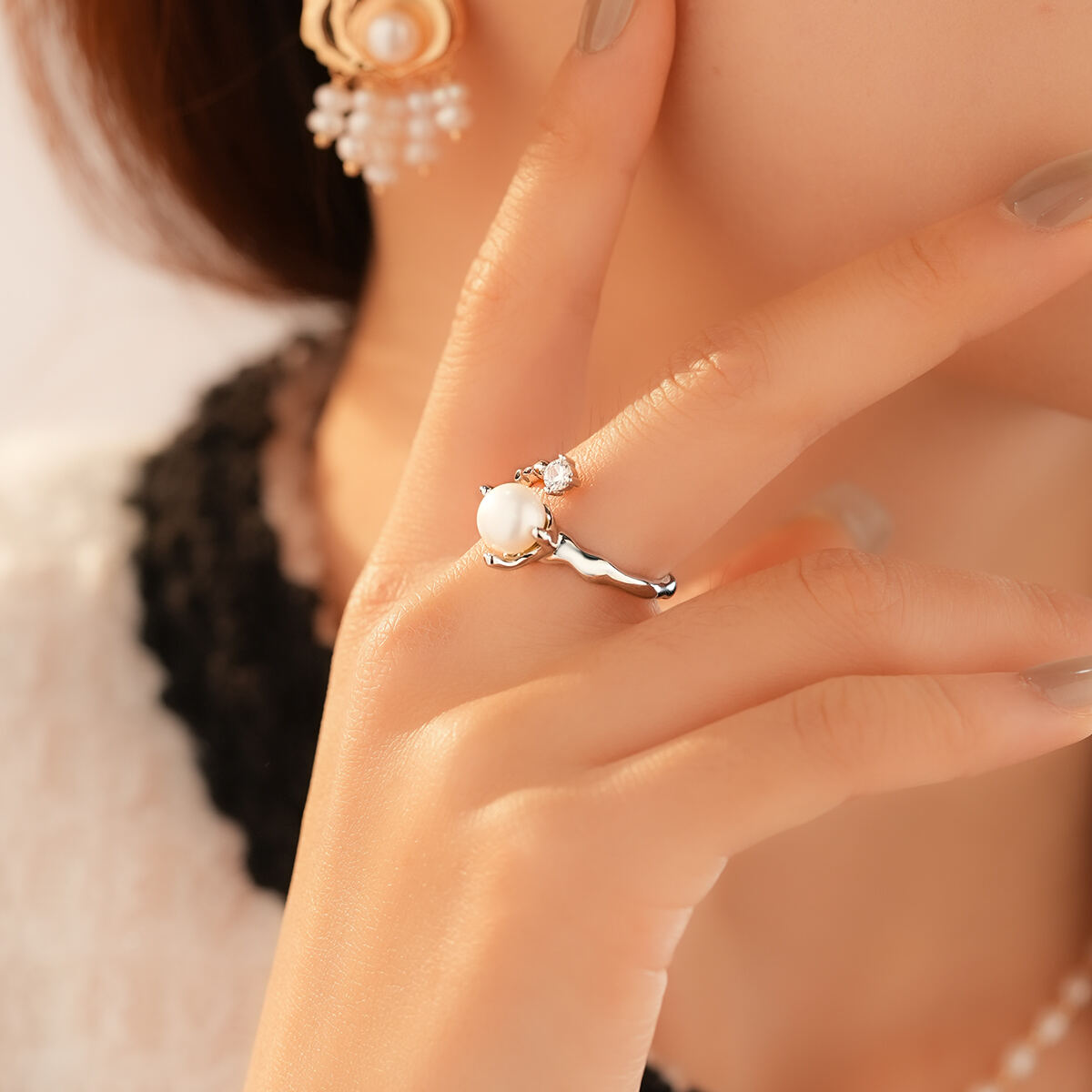
Quality control stands as the cornerstone of successful fashion jewelry manufacturing, determining whether a piece becomes a treasured accessory or a disappointing purchase. In an industry where consumer expectations continue to rise alongside global competition, manufacturers must implement comprehensive quality assurance protocols that address every aspect of the production process. Fashion jewelry quality control encompasses material verification, design precision, finish consistency, and durability testing, all of which directly impact brand reputation and customer satisfaction.
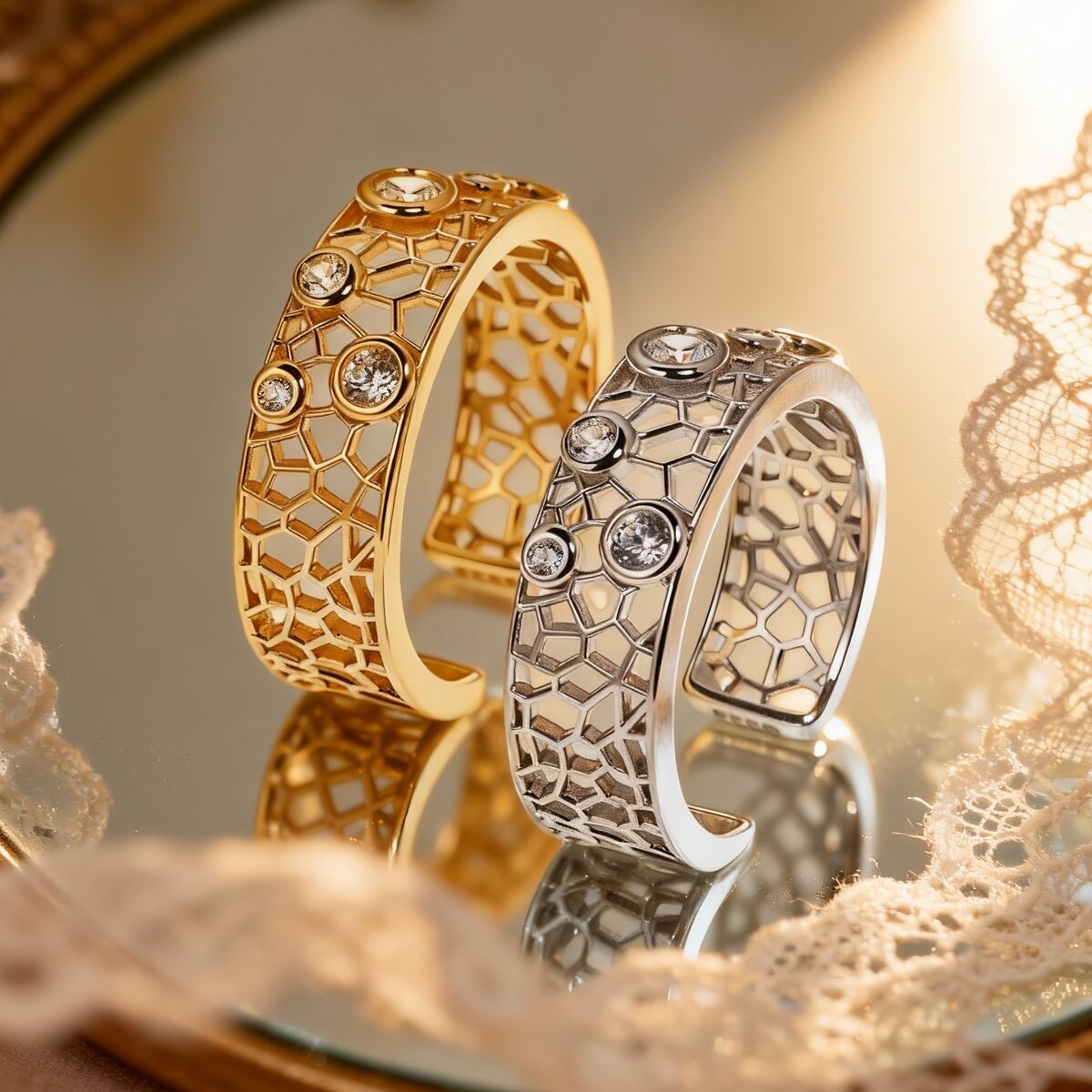
The complexity of modern fashion jewelry manufacturing requires systematic quality control measures that begin with raw material procurement and extend through final packaging. These critical controls protect manufacturers from costly recalls, maintain consistent product standards, and ensure compliance with international safety regulations. Understanding which quality control points matter most allows manufacturers to allocate resources effectively while maintaining the aesthetic appeal and functional reliability that consumers expect from contemporary fashion jewelry pieces.
Material Verification and Selection Controls
Base Metal Quality Assessment
Base metal quality forms the foundation of reliable fashion jewelry manufacturing, requiring rigorous testing protocols to ensure consistent performance across production batches. Manufacturers must verify that brass, copper, zinc alloys, and stainless steel components meet specified composition standards before entering the production line. Chemical composition analysis identifies potential contaminants that could cause discoloration, corrosion, or allergic reactions in end users.
Tensile strength testing confirms that base metals can withstand normal wear conditions without cracking or deforming. Fashion jewelry pieces experience various stresses during daily use, from clasp manipulation to accidental impacts, making material durability a critical quality parameter. Testing protocols should include stress testing at different temperatures to simulate seasonal wearing conditions and long-term exposure scenarios.
Hardness measurements ensure that base metals maintain their shape while remaining workable during manufacturing processes. Materials that are too soft may deform during assembly, while overly hard materials can crack during forming operations. Establishing hardness specifications for each fashion jewelry component type creates consistency across different product lines and manufacturing batches.
Plating and Coating Verification
Plating thickness control represents one of the most critical quality checkpoints in fashion jewelry production, directly affecting both appearance longevity and skin safety. Electroplating processes must maintain uniform coating thickness across complex jewelry geometries, requiring systematic measurement at multiple points on each piece. Thickness variations can create weak spots where underlying base metals become exposed through normal wear.
Adhesion testing verifies that plated surfaces bond properly with base materials, preventing premature flaking or peeling that damages the jewelry's aesthetic appeal. Cross-hatch adhesion tests and thermal cycling evaluations simulate real-world conditions that could compromise plating integrity. These tests identify potential manufacturing process issues before they affect large production quantities.
Chemical resistance evaluation ensures that plated fashion jewelry maintains its appearance when exposed to common substances like perfumes, lotions, and cleaning products. Testing protocols should include exposure to pH variations, salt solutions, and organic solvents that consumers might encounter during normal jewelry use.
Design Precision and Manufacturing Tolerances
Dimensional Accuracy Control
Dimensional precision in fashion jewelry manufacturing ensures that components fit together properly and that finished pieces meet design specifications consistently. Critical dimensions include ring sizes, chain link spacing, clasp engagement tolerances, and gemstone setting depths. Manufacturing processes must maintain these dimensions within specified tolerances to ensure proper function and aesthetic appeal across production runs.
Measurement protocols should utilize precision instruments calibrated to industry standards, with regular verification against certified reference standards. Digital calipers, ring sizing mandrels, and optical measurement systems provide the accuracy needed for quality fashion jewelry production. Measurement data collection enables statistical process control that identifies trends before they result in out-of-specification products.
Geometric relationship verification ensures that multiple components align properly when assembled into complete fashion jewelry pieces. Angular measurements, concentricity checks, and parallelism evaluations identify manufacturing variations that could affect product assembly or wearing comfort. These controls are particularly important for fashion jewelry designs that incorporate multiple moving parts or complex geometric relationships.
Surface Finish Consistency
Surface finish quality directly impacts the perceived value and professional appearance of fashion jewelry products, requiring systematic evaluation and control throughout the manufacturing process. Finish consistency includes surface roughness parameters, gloss levels, and the absence of visible manufacturing marks or defects. Standardized lighting conditions and viewing angles ensure consistent evaluation criteria across different production shifts and quality inspectors.
Polishing operation control maintains uniform surface characteristics across complex jewelry geometries, including recessed areas and detailed surface textures. Abrasive media selection, polishing time parameters, and compound application methods must be standardized to achieve consistent results. Process documentation ensures that polishing procedures can be replicated consistently regardless of operator changes or equipment variations.
Texture verification for fashion jewelry pieces featuring deliberate surface patterns or finishes requires specialized evaluation techniques. Brush finishes, sandblasted textures, and oxidized surfaces must meet specified appearance standards while maintaining durability under normal wearing conditions. Pattern consistency across production batches maintains brand identity and customer expectations for fashion jewelry collections.
Gemstone and Decorative Element Quality Controls
Stone Setting Security Verification
Stone setting security represents a critical quality control point that affects both fashion jewelry durability and customer safety. Prong settings, bezel mountings, and adhesive attachments must withstand normal wearing stresses without allowing stones to become loose or detached. Setting inspection protocols should include visual examination under magnification and gentle manipulation testing to verify secure retention.
Pull testing procedures establish minimum retention force requirements for different stone setting methods used in fashion jewelry production. Test protocols must account for stone size, setting type, and expected wearing conditions to establish appropriate force thresholds. Regular testing of production samples validates that manufacturing processes consistently achieve required setting security levels.
Setting alignment verification ensures that stones sit properly within their mountings, maintaining design aesthetics and preventing premature wear. Misaligned stones can create stress concentrations that lead to setting failure or stone damage. Optical measurement systems can detect alignment variations that might not be apparent through visual inspection alone.
Decorative Element Attachment Validation
Decorative elements such as charms, pendants, and ornamental attachments require specific quality controls to ensure secure connection to main fashion jewelry pieces. Soldered joints, mechanical fasteners, and adhesive bonds must maintain integrity under repeated stress cycles that occur during normal jewelry wear. Connection strength testing validates that attachment methods meet durability requirements for intended use conditions.
Joint inspection procedures identify potential weak points in decorative element attachments before they result in component loss or injury risk. Visual examination under magnification reveals incomplete solder joints, contamination in bonding areas, or mechanical damage that could compromise attachment security. Systematic inspection protocols ensure consistent evaluation standards across production volumes.
Movement verification for articulated decorative elements confirms that moving parts operate smoothly without binding or excessive wear. Hinges, swivels, and rotating mechanisms must function properly throughout expected service life without generating particles or sharp edges that could affect wearer comfort or safety.
Safety and Compliance Testing Requirements
Chemical Safety Verification
Chemical safety testing ensures that fashion jewelry products comply with regulations regarding heavy metal content, particularly lead, cadmium, and nickel levels that could pose health risks to consumers. Testing protocols must address both surface contamination and bulk material composition, as different exposure pathways require different evaluation approaches. Regular testing of production samples validates that manufacturing processes maintain compliance with applicable safety standards.
Nickel release testing specifically addresses allergic reaction risks for fashion jewelry pieces that contact skin during normal wear. European and North American regulations establish specific limits for nickel migration from jewelry surfaces, requiring standardized test procedures that simulate wearing conditions. Test protocols must account for different jewelry types and expected contact durations to ensure appropriate evaluation methods.
Chemical stability evaluation confirms that fashion jewelry materials remain stable under normal storage and wearing conditions, preventing the formation of hazardous compounds or surface contamination. Accelerated aging tests simulate long-term exposure conditions to identify potential safety issues before products reach consumers. These tests are particularly important for fashion jewelry incorporating mixed materials or complex chemical treatments.
Mechanical Safety Assessment
Mechanical safety assessment identifies potential injury risks from sharp edges, protruding components, or structural failures that could occur during normal fashion jewelry use. Edge radius measurements and surface protrusion evaluations ensure that jewelry designs meet safety requirements for their intended user demographics. Particular attention must be paid to children's fashion jewelry, which faces more stringent safety requirements.
Stress testing protocols evaluate fashion jewelry structural integrity under conditions that exceed normal wearing stresses, identifying potential failure modes before they affect product safety. Testing should include impact resistance, fatigue cycling, and extreme temperature exposure to validate product durability margins. Results inform both manufacturing process controls and product design modifications needed to ensure adequate safety margins.
Component retention testing verifies that small parts remain securely attached to fashion jewelry pieces, preventing choking hazards or component loss during normal use. Testing protocols must address different age groups and use patterns to ensure appropriate safety levels for intended consumer demographics. Regular validation testing confirms that production processes maintain required component retention characteristics.
FAQ
How often should fashion jewelry manufacturers perform quality control testing?
Fashion jewelry manufacturers should implement continuous quality control testing throughout production, with specific inspection frequencies based on risk levels and production volumes. Critical safety parameters like heavy metal content require testing for every production batch, while dimensional checks may be performed on statistical samples. Incoming material inspection should occur for every shipment, while in-process controls typically follow sampling plans based on production quantities. Final inspection should examine every piece for obvious defects, with detailed testing performed on representative samples from each production run.
What are the most common quality control failures in fashion jewelry manufacturing?
The most frequent quality control failures in fashion jewelry manufacturing include plating thickness variations that lead to premature wear, inadequate stone setting security causing gem loss, dimensional inconsistencies affecting component fit, and surface finish defects that impact appearance. Chemical compliance issues, particularly excessive nickel content, represent serious failures that can result in product recalls. Manufacturing process variations often contribute to these failures, highlighting the importance of consistent process control and regular calibration of production equipment.
Which international standards apply to fashion jewelry quality control?
Fashion jewelry quality control must comply with various international standards including CPSC regulations in the United States, EN standards in Europe, and ISO specifications for general manufacturing practices. ASTM standards provide testing methods for material properties and safety evaluation. Specific requirements include EN 1811 for nickel release testing, CPSC guidelines for children's jewelry safety, and various national regulations for heavy metal content limits. Manufacturers must identify applicable standards based on their target markets and ensure compliance through appropriate testing and documentation.
How can manufacturers balance quality control costs with production efficiency?
Manufacturers can optimize quality control costs by implementing risk-based inspection strategies that focus intensive testing on critical safety parameters while using statistical sampling for less critical characteristics. Automated inspection systems can reduce labor costs while improving consistency for high-volume production. Process capability studies help identify which manufacturing steps require closer control, allowing resources to be allocated where they provide maximum quality impact. Supplier quality partnerships can shift some quality control responsibilities upstream, reducing incoming inspection requirements while maintaining overall quality levels.
Table of Contents
- Material Verification and Selection Controls
- Design Precision and Manufacturing Tolerances
- Gemstone and Decorative Element Quality Controls
- Safety and Compliance Testing Requirements
-
FAQ
- How often should fashion jewelry manufacturers perform quality control testing?
- What are the most common quality control failures in fashion jewelry manufacturing?
- Which international standards apply to fashion jewelry quality control?
- How can manufacturers balance quality control costs with production efficiency?