
 EN
EN


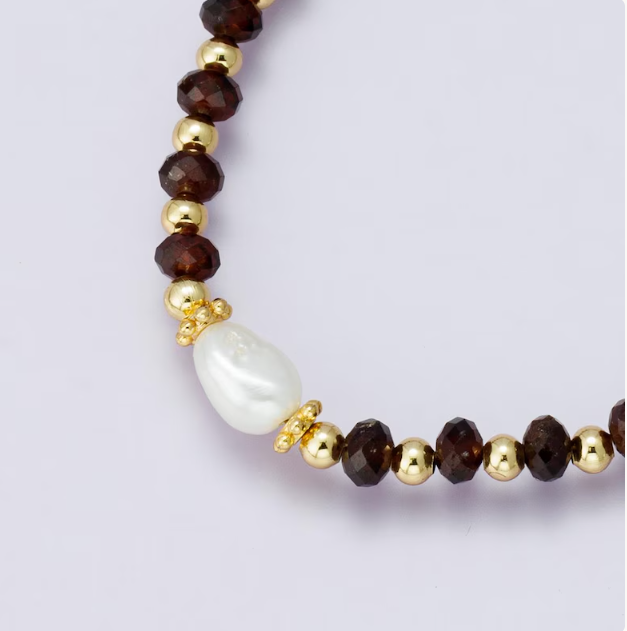
Fashion jewelry represents a significant segment of the global accessories market, with manufacturers producing millions of pieces annually to meet consumer demand for affordable, stylish pieces. However, the rapid production volumes and cost pressures inherent in this sector make quality control an absolute necessity rather than an optional enhancement. Without rigorous quality control procedures, fashion jewelry manufacturers risk producing defective items that damage brand reputation, increase customer returns, and ultimately erode market trust. Understanding which quality controls are critical in fashion jewelry manufacturing is essential for producers who want to maintain competitive advantage while protecting their business reputation and customer relationships.
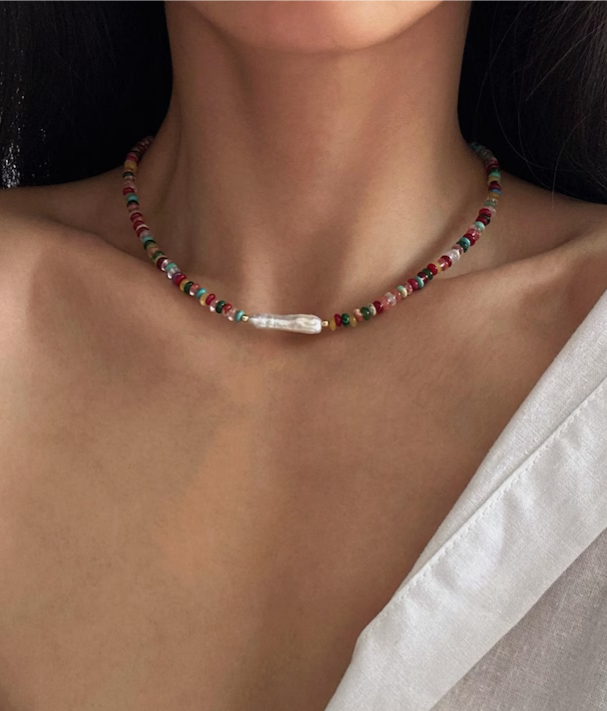
The manufacturing of fashion jewelry involves multiple stages where quality issues can emerge, from raw material sourcing through final packaging and shipping. Each stage presents unique risks that, if left unchecked, compromise the finished product's appearance, durability, and functionality. Implementing systematic quality controls throughout the production cycle ensures that fashion jewelry meets customer expectations, complies with industry standards, and maintains the aesthetic appeal that drives purchasing decisions. This article explores the most critical quality controls that fashion jewelry manufacturers must prioritize to deliver consistent, reliable products.
Material Selection and Supplier Verification in Fashion Jewelry
Raw Material Testing and Documentation
The foundation of quality fashion jewelry begins with rigorous material selection and testing. Manufacturers must establish clear specifications for all incoming materials, including base metals, plating solutions, gemstones, glass components, and adhesives used in fashion jewelry production. Each supplier batch should undergo chemical composition testing to confirm that materials meet agreed specifications. For metal components, techniques such as X-ray fluorescence can verify alloy composition and detect impurities that might cause discoloration, brittleness, or allergic reactions in fashion jewelry pieces. Documentation systems should track material certifications, test results, and supplier performance metrics to create traceability throughout the entire fashion jewelry supply chain.
Supplier Qualification and Audit Procedures
Fashion jewelry manufacturers should implement formal supplier qualification procedures that include facility audits, quality management assessments, and performance reviews. Suppliers of base metals, stones, and plating chemicals for fashion jewelry production must demonstrate consistent ability to meet specifications and maintain stable production standards. Periodic audits at supplier facilities help identify potential sources of defects before problematic materials enter the fashion jewelry manufacturing process. Establishing supplier scorecards that track on-time delivery, defect rates, and compliance with specifications creates accountability and encourages continuous improvement across the fashion jewelry supply chain.
Process Control and Production Monitoring
Surface Finish and Plating Quality Standards
Surface finish is one of the most visible quality indicators in fashion jewelry, directly affecting customer perception and satisfaction. Critical controls include monitoring plating thickness through electronic thickness gauges to ensure uniform, durable coatings on fashion jewelry items. Electroplating processes require precise control of current density, temperature, bath composition, and immersion time to produce consistent results in fashion jewelry batches. Color matching procedures must compare finished fashion jewelry pieces against approved reference samples under standardized lighting conditions. Adhesion testing through mechanical abrasion or thermal cycling identifies plating failures before products reach customers, preventing the common failure mode where fashion jewelry coatings peel or flake prematurely.
Dimensional Accuracy and Fit Verification
Fashion jewelry pieces must meet dimensional tolerances to ensure proper fit, assembly, and aesthetic appeal when worn. Manufacturers should establish critical dimension checkpoints for items like rings, clasps, and connectors using precision measuring instruments such as calipers and gauges. Statistical process control techniques help monitor whether production remains within tolerance ranges, triggering corrective action when fashion jewelry dimensions begin drifting. For items with multiple components, fit testing ensures that all parts assemble correctly and function as intended. Sampling plans should specify frequency of dimensional checks throughout production runs to catch drift early before large batches of fashion jewelry develop the same defects.
Defect Prevention and Final Inspection Protocols
Visual Inspection and Cosmetic Defect Standards
Comprehensive visual inspection is critical for fashion jewelry quality because cosmetic defects directly impact consumer satisfaction and willingness to wear the pieces. Inspection standards should define acceptable versus unacceptable defects in fashion jewelry, including scratches, oxidation, spotting, discoloration, and incomplete coverage. Proper lighting and magnification equipment enable inspectors to detect defects in fashion jewelry that might otherwise go unnoticed until the customer receives the product. Multiple inspection points throughout the production cycle catch defects at various stages rather than relying solely on final inspection of fashion jewelry. Training programs must ensure consistency in how inspectors evaluate fashion jewelry quality, preventing subjective interpretation that could allow defective pieces to pass through.
Functional Testing and Durability Assessment
Beyond appearance, fashion jewelry must function reliably during normal wear. Clasp and fastening mechanisms require testing to ensure they open and close smoothly without excessive force. Stone setting quality in fashion jewelry should be verified through pull testing or thermal cycling to confirm stones remain secure during use. Accelerated wear testing, such as rubbing fashion jewelry against abrasive surfaces or simulating perspiration exposure, identifies potential degradation issues. Metal fatigue testing on items like earring hooks or bracelets hinges helps establish realistic product lifespans and identifies weak design points in fashion jewelry designs. These functional controls ensure fashion jewelry maintains integrity throughout its expected service life.
FAQ
What are the most common defects found in fashion jewelry during quality inspection?
Common defects in fashion jewelry include plating wear or peeling, discoloration or tarnishing of base metals, loose or missing stones, incomplete or uneven surface coatings, dimensional out-of-tolerance, scratches on visible surfaces, and defective clasps or fasteners. These defects often result from inadequate process control, inferior raw materials, or insufficient final inspection procedures in fashion jewelry production. Implementing robust quality controls at material receipt, during production, and at final inspection significantly reduces the frequency of these defects reaching customers.
How frequently should fashion jewelry be inspected during manufacturing?
Inspection frequency for fashion jewelry should follow a structured sampling plan that increases testing at critical process stages while reducing unnecessary checks at low-risk points. Many fashion jewelry manufacturers implement inline inspections after finishing operations, after plating processes, and before final packaging. High-volume fashion jewelry production typically employs automated or semi-automated inspection systems combined with periodic manual audits. The specific frequency depends on historical defect rates, production speed, and the criticality of the finished fashion jewelry to the supplier's quality reputation and customer satisfaction.
What testing methods verify the durability of fashion jewelry materials?
Durability testing for fashion jewelry includes salt-spray chambers that simulate corrosive environments, thermal cycling chambers that test stress from temperature changes, accelerated abrasion testing, and perspiration resistance testing using artificial sweat solutions. Pull strength testing on settings and connections validates mechanical durability in fashion jewelry. These standardized test methods help manufacturers predict real-world performance of fashion jewelry under typical wearing conditions. Fashion jewelry that passes these rigorous durability tests provides manufacturers and customers with confidence in product reliability and longevity.