
 EN
EN



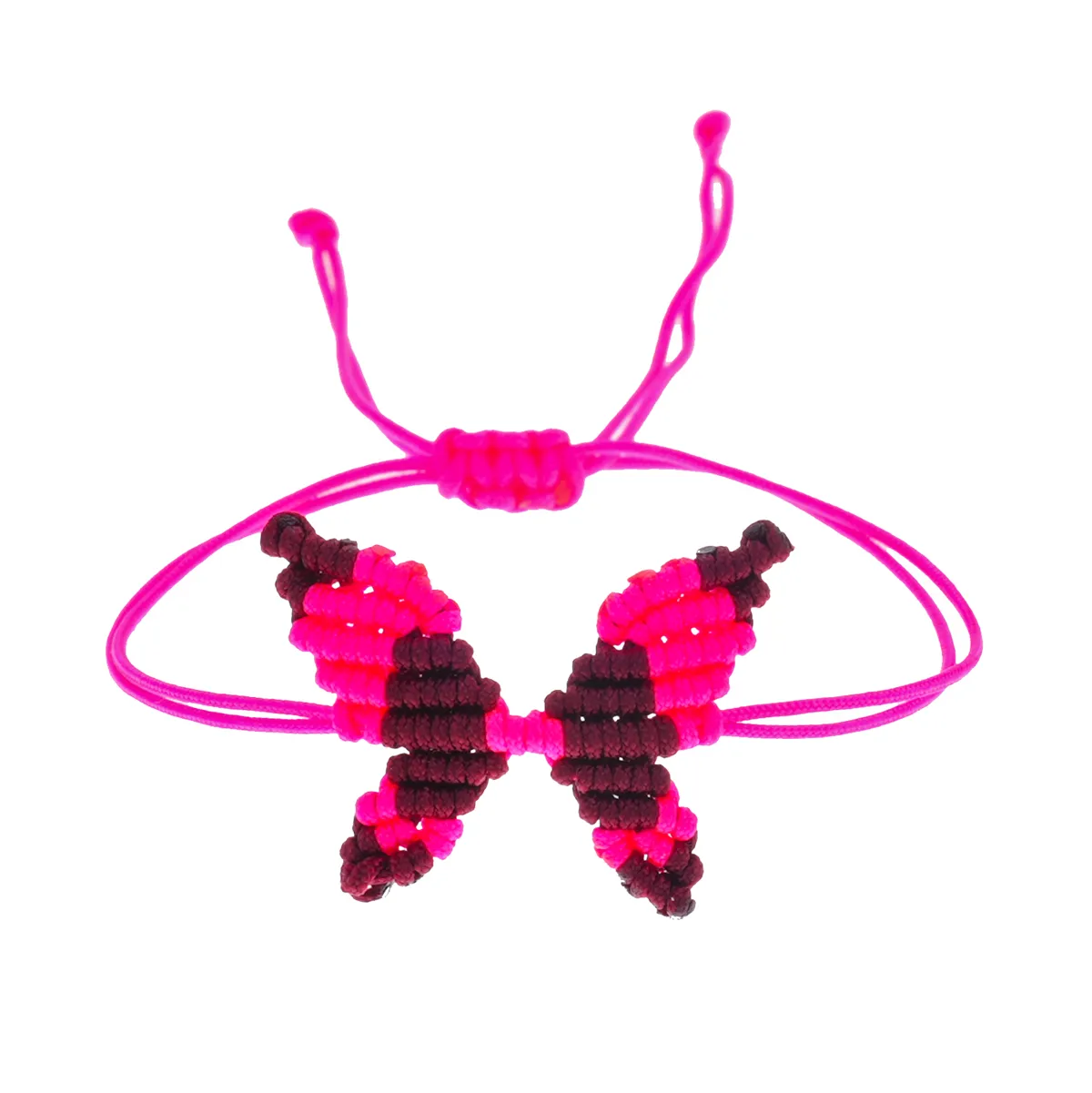
When sourcing a braided bracelet factory, buyers must evaluate multiple critical factors to ensure they partner with a manufacturer capable of delivering quality products consistently. The complexity of braided bracelet production requires specific expertise in braiding techniques, material handling, and quality control systems that not all jewelry manufacturers possess. Understanding what to assess during factory selection can mean the difference between successful product launches and costly manufacturing failures.

Professional buyers recognize that braided bracelet manufacturing involves intricate processes that demand specialized equipment, skilled artisans, and rigorous quality standards. The factory selection process requires systematic evaluation of production capabilities, quality management systems, compliance standards, and operational reliability. Smart sourcing decisions begin with comprehensive due diligence that examines every aspect of the manufacturing partner's operations and capabilities.
Production Capabilities and Technical Expertise
Braiding Equipment and Machinery Assessment
Evaluating a braided bracelet factory's equipment portfolio reveals their production capacity and technical sophistication. Modern braided bracelet production requires specialized braiding machines capable of handling various cord materials, from leather and fabric to metal wires and synthetic materials. Buyers should inspect the factory's machinery inventory, including automatic braiding machines, manual braiding stations, and finishing equipment. The presence of computer-controlled braiding systems indicates advanced manufacturing capabilities and consistent pattern execution.
Equipment maintenance protocols and machinery age provide insights into production reliability and quality consistency. Factories with regular maintenance schedules and newer equipment typically deliver more reliable braided bracelet production. The variety of braiding machines available determines the factory's ability to produce different braided bracelet styles, from simple three-strand braids to complex multi-strand patterns with varying tensions and textures.
Production capacity calculations should account for both machine capabilities and operational efficiency. A factory's ability to scale braided bracelet production during peak seasons or large orders depends on equipment flexibility and backup machinery availability. Smart buyers verify equipment specifications, production speeds, and maintenance records to ensure the factory can meet projected demand volumes consistently.
Artisan Skills and Technical Knowledge
The human element in braided bracelet manufacturing cannot be overlooked, as skilled artisans ensure quality execution of complex braiding patterns. Buyers should assess the factory's workforce expertise, training programs, and artisan retention rates. Experienced braided bracelet craftspeople understand material behaviors, tension control, and pattern consistency requirements that automated systems alone cannot achieve.
Training documentation and skill certification programs indicate a factory's commitment to maintaining high-quality braided bracelet production standards. Factories that invest in ongoing artisan education typically produce superior products with fewer defects and better finish quality. The presence of master craftspeople who can troubleshoot complex braiding challenges suggests strong technical capabilities.
Workforce stability affects production consistency and knowledge retention within the braided bracelet manufacturing process. High turnover rates can indicate poor working conditions or inadequate compensation, potentially impacting product quality and delivery reliability. Buyers should inquire about employee satisfaction, training investment, and career development opportunities to gauge long-term partnership viability.
Quality Control Systems and Standards
Incoming Material Inspection Processes
Robust quality control begins with incoming material inspection, as braided bracelet quality depends heavily on raw material consistency and properties. Professional factories implement systematic material testing protocols that evaluate cord strength, colorfastness, flexibility, and dimensional accuracy. The inspection process should include batch testing, material traceability systems, and rejection protocols for substandard materials.
Material storage conditions significantly impact braided bracelet production quality, particularly for natural materials like leather and cotton that can degrade under improper storage. Buyers should verify climate-controlled storage facilities, inventory rotation systems, and contamination prevention measures. Proper material handling prevents quality issues that could affect the final braided bracelet appearance and durability.
Supplier qualification processes reveal the factory's commitment to material quality and supply chain reliability. Factories with established supplier auditing programs and long-term material partnerships typically maintain more consistent braided bracelet quality standards. Documentation of material specifications, testing results, and supplier performance metrics indicates professional quality management practices.
In-Process Quality Monitoring
Effective braided bracelet manufacturing requires continuous quality monitoring throughout the production process, not just final inspection. Buyers should examine the factory's in-process quality checkpoints, including pattern consistency verification, tension control monitoring, and dimensional accuracy checks. Regular quality audits during production prevent defective products from reaching completion stages.
Statistical process control implementation demonstrates advanced quality management capabilities in braided bracelet production. Factories that track quality metrics, identify trends, and implement corrective actions proactively maintain higher quality standards. Quality control charts, defect tracking systems, and process improvement initiatives indicate systematic quality management approaches.
Worker quality training and accountability systems ensure consistent braided bracelet production standards across all shifts and production lines. Clear quality specifications, inspection procedures, and corrective action protocols help maintain product consistency. Quality management systems should include regular calibration of measuring instruments and validation of inspection procedures.
Compliance and Certification Requirements
International Quality Standards
International certification compliance demonstrates a braided bracelet factory's commitment to quality and professional manufacturing standards. ISO 9001 certification indicates systematic quality management implementation, while specific jewelry industry certifications show specialized expertise. Buyers should verify current certification status, audit reports, and compliance maintenance records to ensure ongoing standards adherence.
Product safety certifications become crucial when braided bracelet designs incorporate metal components, dyes, or chemical treatments. Compliance with REACH regulations, RoHS directives, and consumer product safety standards protects both manufacturers and end customers. Documentation of material safety data sheets and product testing reports indicates comprehensive safety compliance.
Environmental compliance certifications reflect responsible manufacturing practices and potential market access advantages. Factories with environmental management systems and waste reduction programs often demonstrate operational efficiency and sustainability commitment. Green manufacturing practices increasingly influence braided bracelet buyer decisions and brand positioning strategies.
Social Compliance and Ethical Manufacturing
Social compliance auditing reveals working conditions, labor practices, and ethical standards within braided bracelet manufacturing facilities. Buyers increasingly require BSCI, SA8000, or similar social compliance certifications to ensure responsible sourcing practices. Audit reports, corrective action plans, and ongoing monitoring demonstrate commitment to ethical manufacturing standards.
Worker welfare policies, including fair wages, reasonable working hours, and safe working conditions, impact both product quality and brand reputation. Factories with strong social compliance programs typically maintain better worker satisfaction and lower turnover rates, contributing to more consistent braided bracelet production quality.
Transparency in social compliance reporting and willingness to share audit results indicate trustworthy manufacturing partnerships. Buyers should verify factory policies regarding child labor prevention, worker rights protection, and grievance procedures to ensure ethical sourcing alignment with brand values.
Operational Reliability and Communication
Production Planning and Capacity Management
Effective production planning systems ensure reliable braided bracelet delivery schedules and capacity allocation. Buyers should evaluate the factory's planning software, capacity forecasting methods, and order scheduling processes. Professional manufacturers maintain detailed production calendars, capacity utilization tracking, and bottleneck identification systems to optimize delivery performance.
Flexibility in production scheduling allows accommodation of urgent orders and seasonal demand fluctuations in braided bracelet manufacturing. Factories with modular production systems and flexible workforce allocation can better respond to changing customer requirements. Cross-training programs and equipment versatility enable rapid production adjustments when needed.
Inventory management capabilities affect raw material availability and finished goods storage for braided bracelet production. Efficient inventory systems prevent material shortages, reduce waste, and optimize working capital utilization. Buyers should assess inventory turnover rates, stock management systems, and supply chain coordination effectiveness.
Communication Systems and Customer Service
Professional communication systems facilitate smooth collaboration throughout braided bracelet development and production cycles. Buyers should evaluate the factory's communication infrastructure, including project management systems, progress reporting mechanisms, and issue escalation procedures. Regular communication schedules and detailed progress updates prevent misunderstandings and delivery delays.
Technical support capabilities influence product development success and problem resolution efficiency in braided bracelet manufacturing. Factories with experienced technical teams can provide design optimization suggestions, material recommendations, and production feasibility assessments. Strong technical support reduces development time and improves final product quality.
Customer service responsiveness and problem-solving capabilities determine long-term partnership satisfaction. Buyers should assess response times, issue resolution procedures, and customer feedback handling systems. Professional customer service teams maintain detailed communication records and proactive problem prevention approaches.
Financial Stability and Pricing Structure
Financial Health Assessment
Financial stability evaluation protects buyers from production disruptions and partnership failures in braided bracelet manufacturing relationships. Credit reports, financial statements, and banking references provide insights into factory financial health and operational sustainability. Stable financial conditions indicate reliable production capacity and investment in quality improvements.
Payment terms and financial policies reflect factory cash flow management and customer relationship approaches. Reasonable payment terms, transparent pricing structures, and flexible financial arrangements indicate professional business practices. Buyers should understand all cost components, including tooling fees, setup charges, and minimum order requirements for braided bracelet production.
Investment in facility improvements and equipment upgrades demonstrates long-term commitment to braided bracelet manufacturing excellence. Factories that reinvest in technology and infrastructure typically maintain competitive advantages and improved quality standards. Recent facility investments indicate growth potential and operational improvement focus.
Cost Transparency and Value Analysis
Comprehensive cost breakdowns enable accurate braided bracelet pricing evaluation and value comparison between potential manufacturing partners. Professional factories provide detailed quotations including material costs, labor charges, overhead allocations, and profit margins. Transparent pricing structures facilitate accurate budget planning and cost optimization opportunities.
Total cost of ownership calculations should include logistics expenses, quality costs, and potential risk factors beyond basic manufacturing prices. Hidden costs such as expediting charges, quality failures, or delivery delays can significantly impact overall braided bracelet sourcing economics. Buyers should request complete cost analysis including all potential additional charges.
Value engineering capabilities enable cost optimization without compromising braided bracelet quality or functionality. Factories with strong engineering support can suggest design modifications, material alternatives, or process improvements that reduce costs while maintaining product integrity. Value-added services such as packaging, labeling, or quality testing can consolidate supply chain complexity and reduce total sourcing costs.
FAQ
How can buyers verify a braided bracelet factory's production capacity claims?
Buyers should request detailed capacity documentation including machine specifications, production schedules, and historical output data. Physical facility tours allow verification of equipment quantity and condition, while production records demonstrate actual capacity utilization. Independent third-party audits provide objective capacity assessments and can validate manufacturer claims about braided bracelet production capabilities.
What quality certifications are most important for braided bracelet manufacturing?
ISO 9001 quality management certification provides fundamental quality system assurance, while jewelry-specific certifications demonstrate specialized expertise. Product safety certifications such as CPSIA compliance become crucial for consumer markets, and social compliance certifications like BSCI ensure ethical manufacturing practices. Environmental certifications increasingly influence buyer decisions and market access for braided bracelet products.
How should buyers evaluate a factory's material sourcing practices?
Evaluate supplier qualification procedures, material testing protocols, and traceability systems to ensure consistent braided bracelet quality. Review supplier audit reports, material specifications, and quality agreements to understand sourcing standards. Assess supply chain risk management strategies including backup suppliers, inventory management, and logistics coordination to ensure reliable material availability.
What financial information should buyers request from potential manufacturing partners?
Request recent financial statements, credit reports, and bank references to assess financial stability and payment reliability. Obtain detailed cost breakdowns for braided bracelet production including all fees, minimums, and potential additional charges. Review payment terms, pricing structures, and contract conditions to understand complete financial commitment and risk exposure.
Table of Contents
- Production Capabilities and Technical Expertise
- Quality Control Systems and Standards
- Compliance and Certification Requirements
- Operational Reliability and Communication
- Financial Stability and Pricing Structure
-
FAQ
- How can buyers verify a braided bracelet factory's production capacity claims?
- What quality certifications are most important for braided bracelet manufacturing?
- How should buyers evaluate a factory's material sourcing practices?
- What financial information should buyers request from potential manufacturing partners?