
 EN
EN


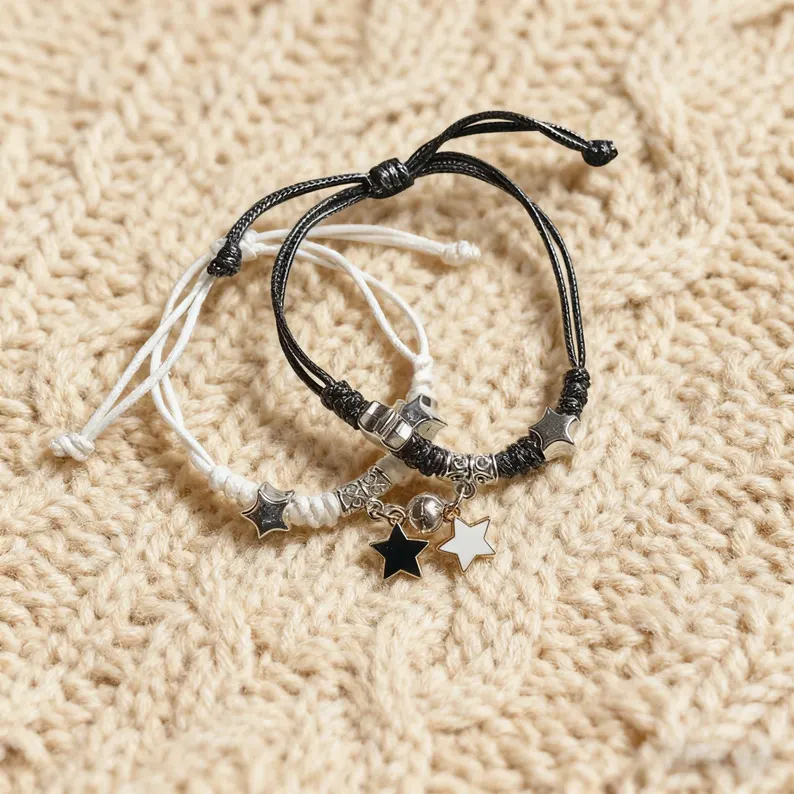
Handgemaakte sieraden zijn geëvolueerd van een niche-craftmarkt tot een belangrijk onderdeel van moderne B2B-leveringsketens, en bieden unieke waardeproposities die massaproducten niet kunnen evenaren. De haalbaarheid van handgemaakte sieraden in zakelijke transacties vindt haar oorsprong in de mogelijkheid om authentieke ambachtelijke kwaliteit, aanpasbare productopties en een onderscheidende marktpositie te leveren, waarmee resonantie wordt gewekt bij steeds veeleisender consumentengroepen via zowel retail- als groothandelkanalen.
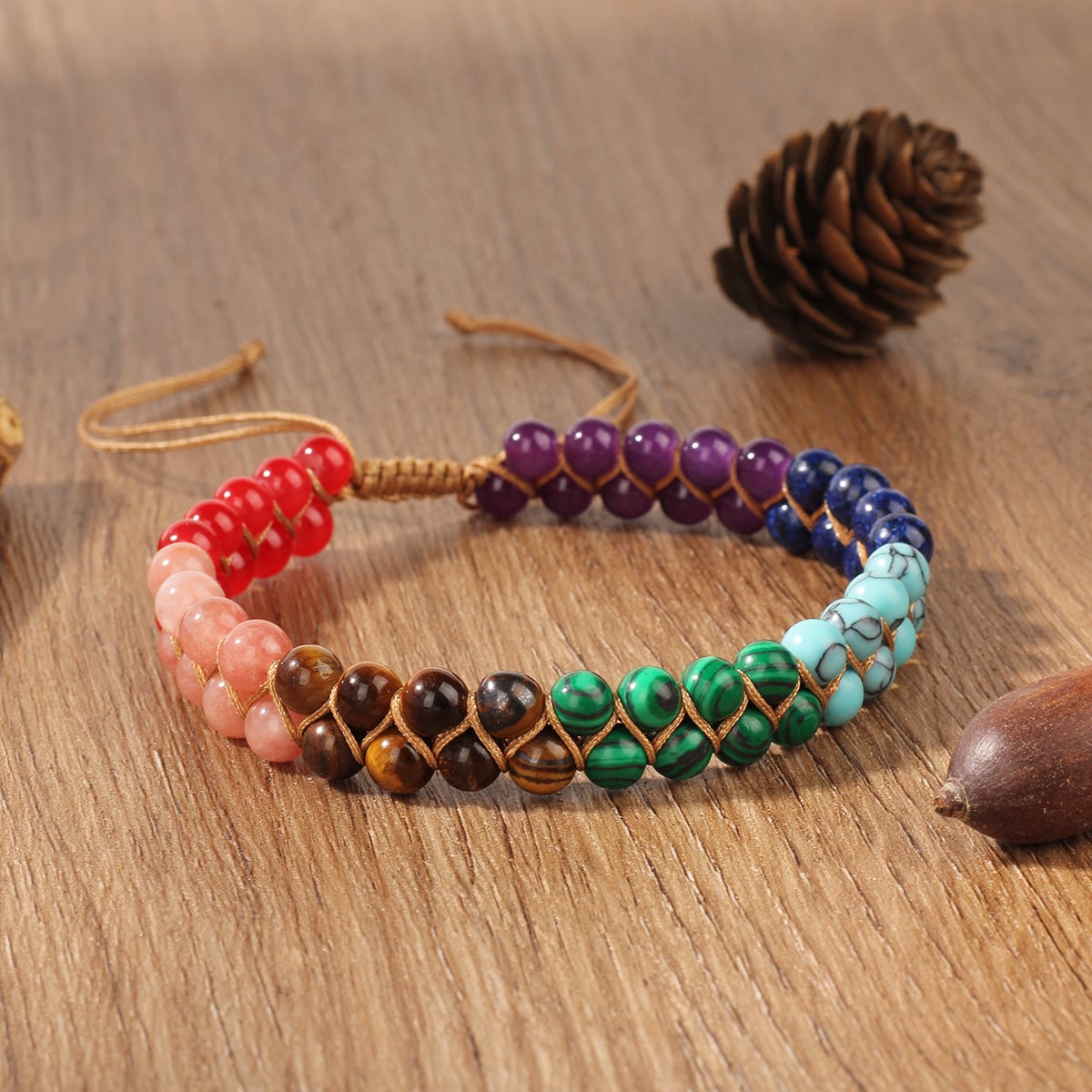
De overgang van handgemaakte sieraden van individuele ambachtelijke verkoop naar gestructureerde B2B-leveringsnetwerken weerspiegelt fundamentele verschuivingen in marktdynamiek, consumentenvoorkeuren en de evolutie van zakelijke modellen. Moderne retailers, boetieks en gespecialiseerde distributeurs erkennen dat handgemaakte sieraden een concurrerend onderscheid bieden via authentieke vakmanschap, beperkte oplages en gepersonaliseerde klantervaringen die premieprijzingsstrategieën en verbeterde winstmarges stimuleren.
Marktvraagdrijvers achter de levensvatbaarheid van handgemaakte sieraden
Verschuiving in consumentenvoorkeur naar authenticiteit
Tegenwoordige consumenten geven steeds meer prioriteit aan authentieke ervaringen en producten met authentieke verhalen, waardoor handgemaakte sieraden bijzonder aantrekkelijk zijn voor retailers die op zoek zijn naar onderscheid in verzadigde markten. Deze authenticiteitspremie stelt B2B-kopers in staat om collecties handgemaakte sieraden te positioneren als exclusieve aanbiedingen die hogere prijspunten opleveren dan massaproducten. De ambachtelijke aard van handgemaakte sieraden creëert emotionele verbindingen tussen eindconsumenten en producten, wat vertaalt wordt in verbeterde klantloyaliteit en herhaalde aankoopgedragten die ten goede komen aan alle deelnemers in de gehele supply chain.
Marktonderzoek laat consistent zien dat consumenten die bereid zijn een premie te betalen voor handgemaakte sieraden hogere levenswaardemetrics en sterker merkadvocacygedrag vertonen. B2B-kopers herkennen dit patroon en nemen strategisch handgemaakte sieraden op in hun productportfolio om marktsegmenten te bereiken die kwaliteit boven kwantiteit stellen. Het verhalend potentieel dat inherent is aan handgemaakte sieraden biedt retailers overtuigende marketingverhalen die de merkpositie en klantbetrokkenheidsstrategieën versterken.
Mogelijkheden voor aanpassing en personalisatie
Ambachtelijke sieradenmakers bieden doorgaans uitgebreide aanpassingsmogelijkheden die B2B-kopers in staat stellen exclusieve productlijnen te creëren die zijn afgestemd op specifieke marktsegmenten of klantvoorkeuren. Deze flexibiliteit vormt een aanzienlijk concurrentievoordeel ten opzichte van traditionele sieradenproductie, waarbij minimale bestelhoeveelheden en gestandaardiseerde ontwerpen de aanpassingsmogelijkheden beperken. B2B-relaties met ambachtelijke sieradenmakers vergemakkelijken vaak samenwerkingsprocessen op het gebied van ontwerp, wat resulteert in unieke producten die niet beschikbaar zijn via conventionele leveringskanalen.
Het vermogen om ontwerpen, materialen, kleuren en maatvoorschriften aan te passen, stelt retailers in staat snel te reageren op opkomende trends of seizoensgebonden voorkeuren, zonder zich te moeten binden aan grote voorraadinvesteringen. De mogelijkheid tot productie in kleine series, die inherent is aan handgemaakte sieradenproductie, stelt B2B-kopers in staat om marktreacties met beperkt risico te testen, terwijl de efficiëntie van voorraomdraai wordt behouden. Deze wendbaarheid blijkt bijzonder waardevol in modegerichte markten, waarbij trendcycli versnellen en consumentenvoorkeuren zich regelmatig wijzigen.
Voordelen in productie en supply chain
Flexibele productiecapaciteit
In tegenstelling tot de traditionele sieradenproductie, die aanzienlijke kapitaalinvesteringen in machines en gereedschappen vereist, biedt de handgemaakte sieradenproductie een inherente flexibiliteit die goed aansluit bij B2B-voorzieningsketeneisen. Ambachtslieden kunnen de productie opschalen of terugdraaien op basis van vraagschommelingen, zonder de vaste kostenlasten die gepaard gaan met geautomatiseerde productiefaciliteiten. Deze productie-elastischheid stelt B2B-kopers in staat om bestelhoeveelheden aan te passen in reactie op marktomstandigheden, zonder dat dit aanzienlijke kostenboetes of minimale bestelhoeveelheden tot gevolg heeft.
De gedistribueerde aard van de productie van handgemaakte sieraden biedt ook veerkracht in de supply chain, aangezien B2B-kopers kunnen samenwerken met meerdere ambachtslieden op verschillende geografische locaties om het risico van afhankelijkheid van één enkele leverancier te beperken. Deze diversificatiestrategie wordt bijzonder waardevol tijdens economische verstoringen of onderbrekingen in de supply chain die gecentraliseerde productieprocessen kunnen treffen. Het vermogen om de productie continu te laten verlopen via gedistribueerde netwerken van ambachtslieden zorgt voor een consistente beschikbaarheid van producten voor B2B-klanten.
Kwaliteitscontrole en expertise van ambachtslieden
Vaardige ambachtslieden brengen gespecialiseerde expertise en aandacht voor detail mee, wat vaak boven de kwaliteitsnormen uitgaat die haalbaar zijn via massaproductieprocessen. Elk stukje handgemaakte sieraden wordt tijdens het creatieproces individueel geïnspecteerd en verfijnd, wat leidt tot consistente kwaliteitsniveaus die vertrouwen opbouwen tussen B2B-partners en eindconsumenten. De reputatie van de ambachtsman hangt direct af van de productkwaliteit, waardoor er natuurlijke stimulansen ontstaan om gedurende het hele productieproces hoge normen in stand te houden.
B2B-kopers profiteren van directe relaties met ambachtslieden die de kwaliteitseisen begrijpen en transparant kunnen communiceren over hun productiemogelijkheden. Deze directe communicatie elimineert tussenliggende lagen die in traditionele productierelaties kwaliteitsproblemen of productiebeperkingen zouden kunnen verhullen. De mogelijkheid om kwaliteitsnormen samen vast te stellen en productieprocessen nauwkeurig te monitoren, zorgt ervoor dat handgemaakte sieraden consistent voldoen aan of zelfs boven de specificaties van de B2B-koper uitgaan.
Economische duurzaamheid en winstmarges
Rechtvaardiging van premieprijzen
De ambachtelijke aard van handgemaakte sieraden rechtvaardigt van nature premiumprijspolicies die de winstmarges in de gehele B2B-voorzieningsketen verhogen. Retailers kunnen handgemaakte sieraden positioneren als luxe- of semi-luxeproducten met hogere verkoopprijzen dan massaproducten, wat gunstige economieën creëert voor zowel kopers als leveranciers. De waargenomen waarde die aan handgemaakte producten wordt toegekend, ondersteunt opslagstrategieën die de algehele winstgevendheid voor B2B-deelnemers verbeteren.
Marktsegmenten die handgemaakte sieraden kopen, tonen doorgaans een lagere prijsgevoeligheid en een grotere bereidheid om te betalen voor kwaliteit en uniekheid. Dit consumentengedrag stelt B2B-kopers in staat gezonde marges te behouden, terwijl ze hun klanten nog steeds concurrerende waardeproposities kunnen bieden. De combinatie van premiumpositionering en authentieke ambachtelijkheid creëert duurzame prijsvoordelen die langdurige zakelijke relaties tussen ambachtslieden en B2B-kopers ondersteunen.
Efficiëntie van voorraadinvesteringen
Handgemaakte sieradenproductiemodellen vereisen vaak lagere minimale bestelhoeveelheden dan traditionele productie, waardoor B2B-kopers hun voorraadinvesteringen kunnen optimaliseren en de voorraadkosten kunnen verlagen. De mogelijkheid om kleinere hoeveelheden vaker te bestellen verbetert het beheer van de liquiditeit en vermindert de risico’s op veroudering als gevolg van wisselende modetrends of seizoensgebonden vraagpatronen. Deze voorraadefficiëntie vertaalt zich in verbeterde rendementsmetrieken voor B2B-kopers binnen diverse retailformaten.
De unieke aard van handgemaakte sieraden ondersteunt ook strategieën voor voorraaddifferentiatie die directe concurrentie en prijsdruk van andere retailers die vergelijkbare producten verkopen, verminderen. B2B-kopers kunnen exclusieve relaties opbouwen met specifieke ambachtslieden om gedifferentieerde productportefeuilles te creëren die de concurrentiepositie en klantloyaliteit versterken. Dit potentieel voor exclusiviteit rechtvaardigt investeringen in voorraden en ondersteunt op termijn een duurzame winstmarge.
Integratie van de supply chain en partnerschapsmodellen
Directe relaties met ambachtslieden
Een succesvolle B2B-integratie van handgemaakte sieraden omvat vaak het opzetten van directe partnerschappen met vakbekwame ambachtslieden die zich kunnen inzetten voor consistente productieschema’s en kwaliteitsnormen. Deze relaties vereisen zorgvuldige selectie- en begeleidingsprocessen waarmee de vaardigheden, productiecapaciteit en betrouwbaarheidsindicatoren van de ambachtslieden worden beoordeeld. B2B-kopers moeten tijd investeren in het identificeren van ambachtslieden wiens vaardigheden en zakelijke praktijken aansluiten bij professionele supply chain-eisen, terwijl zij tegelijkertijd het authentieke handgemaakte karakter behouden dat de marktwaarde bepaalt.
Effectieve samenwerkingen met ambachtslieden omvatten doorgaans collaboratieve planningsprocessen die flexibiliteit in de productie in evenwicht brengen met betrouwbaarheid bij de levering. B2B-kopers profiteren van een goed begrip van de mogelijkheden en beperkingen van ambachtslieden om realistische bestelschema’s en voorraadplanningstrategieën op te stellen. De persoonlijke aard van het handgemaakte sieradenmaken vereist aanpakken in de supply chain die rekening houden met de individuele werkwijzen van ambachtslieden, terwijl tegelijkertijd aan commerciële leververeisten en kwaliteitseisen wordt voldaan.
Technologie-integratie en communicatiesystemen
Moderne, handgemaakte sieradenleveringsketens zijn in toenemende mate afhankelijk van digitale communicatieplatforms en projectmanagementsystemen om productieschema’s, kwaliteitseisen en levertermijnen tussen ambachtelijke vakmensen en B2B-kopers te coördineren. Integratie van technologie maakt efficiënt orderbeheer, voortgangsbijhouding en kwaliteitsdocumentatie mogelijk, wat professionele zakelijke relaties ondersteunt zonder de ambachtelijke productiemethoden aan te tasten. Deze systemen helpen de kloof te overbruggen tussen traditionele ambachtelijke praktijken en hedendaagse B2B-operationele vereisten.
Digitale fotografie- en documentatiesystemen stellen B2B-kopers ook in staat gedetailleerde productcatalogi en kwaliteitsregistraties bij te houden die de verkoopprocessen en klantcommunicatie ondersteunen. Het vermogen om elk stuk handgemaakte sieraden vast te leggen met hoogwaardige afbeeldingen en specificaties vergemakkelijkt online verkoopkanalen en helpt het visuele aantrekkelijkheid te behouden die consumenten interesse wekt. Technologiehulpmiddelen versterken, in plaats van vervangen, de ambachtelijke aspecten van de productie en supplychainbeheer van handgemaakte sieraden.
Veelgestelde vragen
Hoe werken minimale bestelhoeveelheden bij leveranciers van handgemaakte sieraden?
Leveranciers van handgemaakte sieraden bieden doorgaans veel lagere minimale bestelhoeveelheden dan massaproductiebedrijven, vaak met een minimum van slechts 10 tot 50 stuks, afhankelijk van de complexiteit en de gebruikte materialen. Deze flexibiliteit stelt B2B-kopers in staat om de marktvraag te testen en voorraadrisico’s effectiever te beheren. Veel ambachtslieden zijn bereid om de bestelhoeveelheden te bespreken op basis van het uitbouwen van een duurzame relatie en gesprekken over seizoensplanning.
Welke maatregelen voor kwaliteitscontrole kunnen B2B-kopers toepassen bij handgemaakte sieraden?
Effectieve kwaliteitscontrole voor handgemaakte sieraden omvat het vaststellen van duidelijke specificatiehandleidingen, het goedkeuren van monsters voordat de volledige productie wordt gestart en het toepassen van inspectieprotocollen bij levering. B2B-kopers moeten kwaliteitsnormen documenteren met gedetailleerde foto's en schriftelijke beschrijvingen, regelmatig communiceren met ambachtslieden tijdens de productie en procedures opstellen voor retournering of herwerking van artikelen die niet voldoen aan de overeengekomen specificaties. Het integreren van kwaliteitseisen in de initiële partnerschapsafspraken helpt problemen te voorkomen en zorgt voor consistente normen.
Hoe beïnvloedt seizoensgebonden vraag de B2B-relaties rond handgemaakte sieraden?
Seizoensgebonden vraagpatronen hebben een aanzienlijke impact op de supply chains voor handgemaakte sieraden, aangezien ambachtslieden tijdens piekperioden zoals feestdagen of het huwelijkseizoen vaak te maken kunnen krijgen met capaciteitsbeperkingen. B2B-kopers moeten seizoensgebonden bestellingen ruim van tevoren plannen en voortdurend communiceren over productieschema's en beschikbare capaciteit. Veel succesvolle samenwerkingen omvatten besprekingen over vooruitplanning, waardoor ambachtslieden zich kunnen voorbereiden op piekvraagperioden en tegelijkertijd betrouwbare levertermijnen voor B2B-klanten kunnen garanderen.
Wat zijn de gebruikelijke doorlooptijden voor op maat gemaakte handgemaakte sieraden?
De levertijden voor handgemaakte sieraden bestellingen liggen doorgaans tussen 2 en 8 weken, afhankelijk van de complexiteit van het ontwerp, de beschikbaarheid van materialen en de huidige werklast van de ambachtsman. Op maat gemaakte ontwerpen of speciale materialen kunnen extra tijd vergen voor het verkrijgen en vervaardigen ervan. B2B-kopers moeten duidelijke verwachtingen met betrekking tot de tijdschema’s vaststellen tijdens de eerste besprekingen en flexibel blijven om rekening te houden met het ambachtelijke productieproces, terwijl ze tegelijkertijd aan hun eigen klantlevertermijnen moeten voldoen. Regelmatige communicatie helpt bij het beheren van verwachtingen en het tijdig signaleren van mogelijke vertragingen in het productieproces.
Inhoudsopgave
- Marktvraagdrijvers achter de levensvatbaarheid van handgemaakte sieraden
- Voordelen in productie en supply chain
- Economische duurzaamheid en winstmarges
- Integratie van de supply chain en partnerschapsmodellen
-
Veelgestelde vragen
- Hoe werken minimale bestelhoeveelheden bij leveranciers van handgemaakte sieraden?
- Welke maatregelen voor kwaliteitscontrole kunnen B2B-kopers toepassen bij handgemaakte sieraden?
- Hoe beïnvloedt seizoensgebonden vraag de B2B-relaties rond handgemaakte sieraden?
- Wat zijn de gebruikelijke doorlooptijden voor op maat gemaakte handgemaakte sieraden?