
 EN
EN



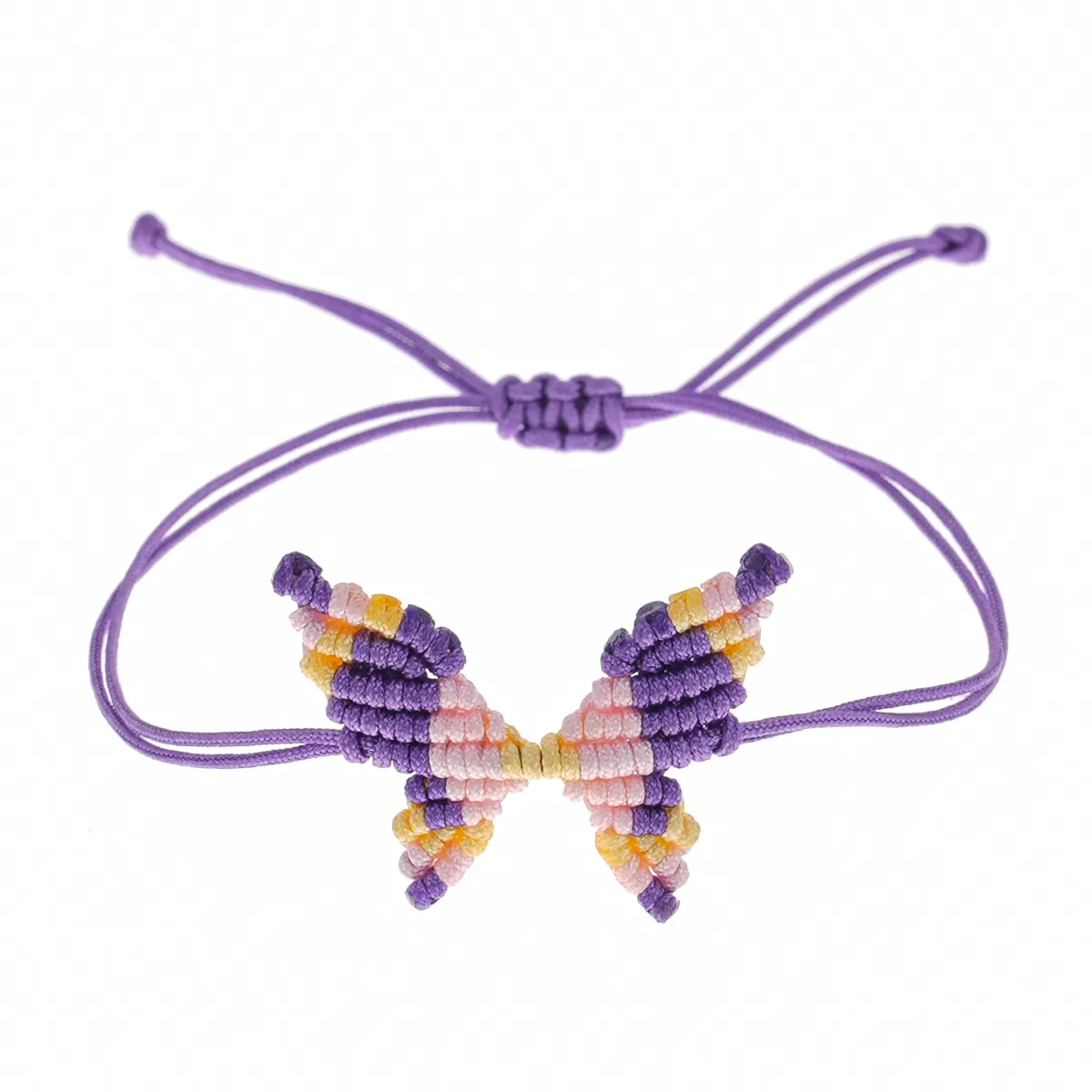
Przy zakupie bransoletki plecionej na potrzeby sprzedaży detalicznej, hurtowej lub osobiste użytkowanie zrozumienie kluczowych czynników jakości decyduje o sukcesie inwestycji. Skomplikowana konstrukcja bransoletki plecionej wymaga starannego oceniania wielu elementów, które bezpośrednio wpływają na trwałość, walory estetyczne oraz satysfakcję klientów. Ocena jakości wykracza poza powierzchowną ocenę wyglądu i obejmuje integralność materiałów, precyzję wykonania oraz cechy długotrwałej wydajności.
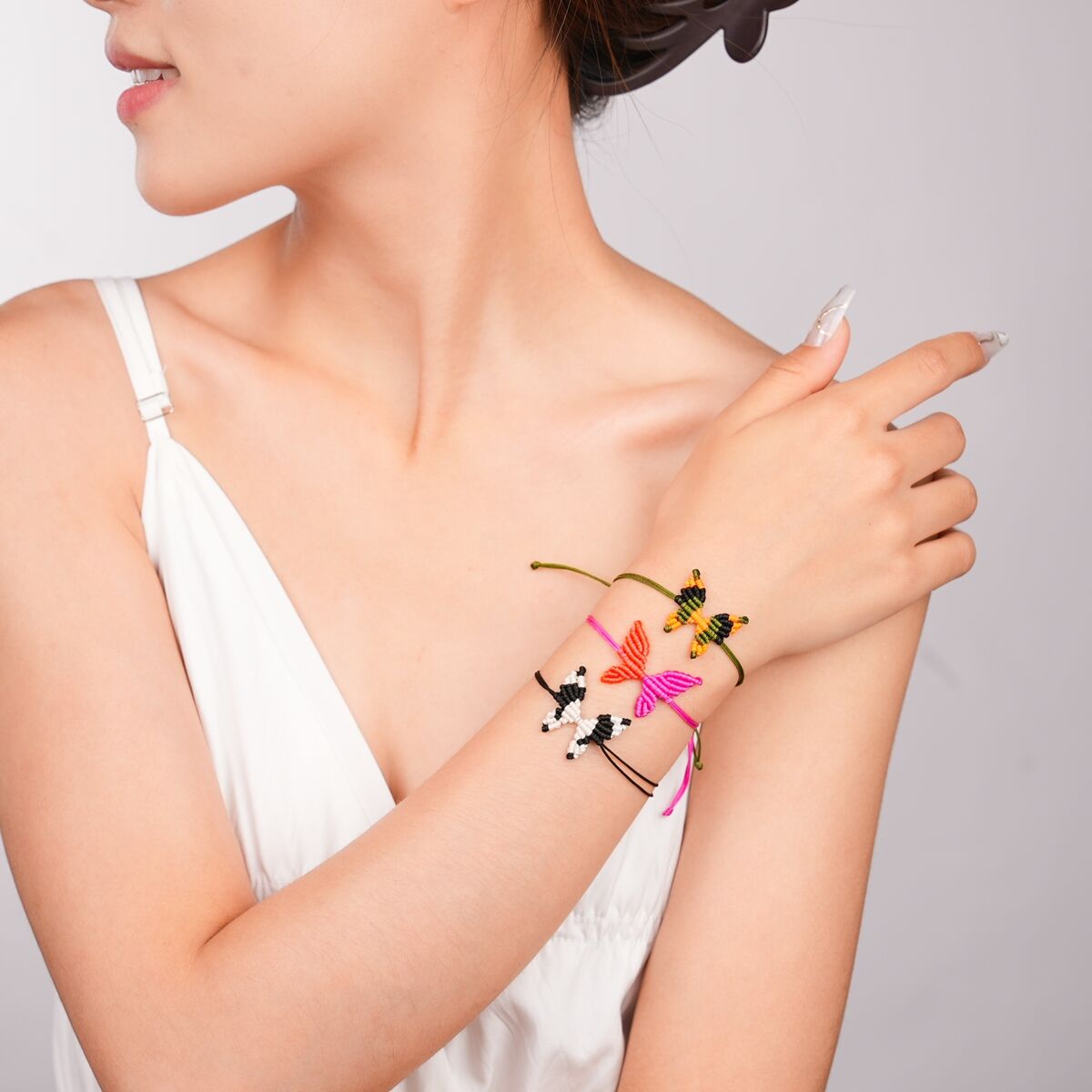
Profesjonalni specjaliści ds. zakupów wiedzą, że wysokiej jakości bransoletka pleciona stanowi złożoną równowagę między doborem materiałów, precyzją produkcji oraz wykonaniem projektu. Proces oceny wymaga systematycznej analizy podstawowych elementów, takich jak materiały podstawowe, spójność techniki plecenia, mechanizmy zamknięcia oraz jakość wykończenia. Te czynniki razem decydują o tym, czy bransoletka pleciona spełni oczekiwania dotyczące jej funkcjonalności i zachowa swój wygląd przez długotrwałe okresy użytkowania.
Podstawa materiałowa i analiza składu
Ocena jakości materiału podstawowego
Materiał stanowiący podstawę każdego bransoletki plecionej ma bezpośredni wpływ na jej trwałość, komfort noszenia oraz wygląd wizualny. Wysokiej klasy projekty bransoletek plecionych wykorzystują materiały charakteryzujące się doskonałą wytrzymałością na rozciąganie przy jednoczesnym zachowaniu elastyczności w całym procesie plecenia. Opcje z prawdziwej skóry powinny cechować się spójnym wzorem ziarnistości, odpowiednią grubością dostosowaną do zamierzonego projektu oraz właściwym garbowaniem zapobiegającym pękaniu lub degradacji w warunkach normalnego użytkowania.
Materiały syntetyczne stosowane przy produkcji bransoletek plecionych oferują zalety związane z jednolitością i odpornością na warunki atmosferyczne. Wysokiej jakości materiały syntetyczne zapewniają jednolitą barwę, przewidywalne właściwości rozciągliwości oraz odporność na uszkodzenia spowodowane wilgocią. Proces doboru materiałów powinien uwzględniać, jak dobrze wybrane materiały zachowują swoją integralność strukturalną pod wpływem wielokrotnego gięcia i naprężeń charakterystycznych dla produkcji bransoletek plecionych.
Elementy metalowe wbudowane w zaplatane projekty bransoletek wymagają szczególnej uwagi ze względu na skład stopu oraz jakość wykończenia. Metale podstawowe powinny być odporne na korozję i zachowywać swój wygląd bez wywoływania podrażnień skóry lub jej przebarwień. Zgodność różnych materiałów w obrębie pojedynczego zaplatanego projektu bransolki wpływa zarówno na natychmiastową funkcjonalność, jak i na długotrwałą niezawodność eksploatacyjną.
Specyfikacje nici i sznurków
Nici lub sznurki stosowane przy produkcji zaplatanych bransoletek muszą wykazywać odpowiednią wytrzymałość na rozciąganie dla zamierzonego zastosowania, zachowując przy tym elastyczność niezbędną do komfortowego noszenia. Ocena jakości obejmuje analizę składu włókien, spójności skrętu oraz odporności barwników w różnych warunkach środowiskowych. Producentom wysokiej klasy zaplatanych bransoletek wybierają nici odporne na rozplątywanie, zachowujące jednolitą średnicę na całej długości oraz wykazujące spójne nasycenie barwnikami.
Grubość sznurka odgrywa kluczową rolę przy określaniu końcowego wyglądu i cech trwałości bransolety plecionej. Grubsze sznurki zapewniają zwiększoną trwałość, ale mogą naruszać delikatny wygląd oczekiwany w niektórych kategoriach projektowych. Związek między średnicą sznurka a złożonością wzoru plecenia wpływa zarówno na możliwość jego wykonania w procesie produkcyjnym, jak i na estetykę końcowego produktu.
Ocena techniki wykonania i rzemiosła
Spójność wzoru plecenia
Spójne wzory plecenia stanowią podstawowy wskaźnik jakości przy ocenie bransolet plecionych. Bransolety profesjonalnej klasy produkty charakteryzują się jednolitą napięciem całego plecionego sznurka, co przekłada się na równomierne rozmieszczenie wzoru oraz stałą całkowitą średnicę. Procedury kontroli jakości powinny potwierdzać, że wzory plecenia zachowują swój zamierzony wygląd bez luźnych fragmentów, nadmiernie napiętych obszarów ani nieregularnych przejść, które mogłyby zagrozić integralności konstrukcyjnej.
Złożoność wzorów plecionych wpływa zarówno na wymagania produkcyjne, jak i na trwałość końcowego produktu. Projektowanie bransoletek o wielowarstwowej strukturze plecionej wymaga zwiększonej koordynacji pomiędzy poszczególnymi elementami, aby osiągnąć zamierzony efekt wizualny przy jednoczesnym zachowaniu spójności konstrukcyjnej. Procedury oceny powinny badać, w jakim stopniu złożone wzory zachowują swoją wyraźność przez cały przewidywany usługi okres użytkowania bransoletki plecionej.
Punkty zakończenia wzoru wymagają szczególnej uwagi podczas oceny jakości. Metody stosowane do zabezpieczania wzorów plecionych w miejscach połączeń mają bezpośredni wpływ zarówno na wygląd, jak i na funkcjonalność. Profesjonalna konstrukcja bransoletek plecionych wykorzystuje techniki zakończenia, które bezproblemowo integrują się z ogólnym projektem oraz zapewniają niezawodną długotrwałą stabilność.
Integralność połączeń i styków
Punkty połączenia między splątanymi sekcjami a elementami metalowymi stanowią krytyczne obszary skupienia naprężeń, które wymagają zwiększonej uwagi podczas oceny jakości. Metody stosowane do montażu zamków, regulatorek oraz elementów dekoracyjnych muszą zapewniać niezawodną wytrzymałość połączenia, zachowując przy tym estetyczną spójność ogólnego projektu. Jakość bransoletka z warkoczami wykonania wykorzystuje techniki połączeń, które skutecznie rozprowadzają obciążenia naprężeniowe bez tworzenia punktów awarii.
Zastosowanie klejów w procesie montażu bransoletek splątanych powinno charakteryzować się odpowiednimi właściwościami utwardzania oraz odpornością na czynniki środowiskowe. Dobór klejów musi uwzględniać konkretne materiały, które mają być połączone, przewidywane warunki eksploatacji oraz zgodność z innymi procesami wykończeniowymi. Procedury kontroli jakości powinny potwierdzać, że zastosowane kleje zachowują swoje właściwości sklejające bez wpływu na elastyczność ani komfort noszenia gotowej bransoletki splątanej.
Elementy metalowe i funkcjonalne
Wykonanie mechanizmu zamka
Mechanizm zamka stanowi kluczowy element funkcjonalny, który bezpośrednio wpływa na satysfakcję użytkownika oraz trwałość produktu. Wysokiej jakości zapleczone bransoletki zawierają systemy zamków zapewniające bezpieczne zamknięcie przy jednoczesnym zachowaniu łatwości obsługi przez cały okres długotrwałego użytkowania. Procedury oceny powinny obejmować siłę załączenia zamka, spójność jego otwierania oraz odporność na przypadkowe otwarcie w warunkach normalnego użytkowania.
Zgodność materiałów pomiędzy elementami zamka a plecionymi częściami wpływa zarówno na natychmiastową funkcjonalność, jak i na długoterminową wydajność. Zamki metalowe powinny być odporne na korozję, zachowując przy tym gładkość działania. Metody mocowania zamków do części plecionych muszą zapewniać niezawodny przekaz obciążenia bez tworzenia punktów skupienia naprężeń, które mogłyby prowadzić do przedwczesnego uszkodzenia.
Mechanizmy sprężynowe w zatrzaskach wymagają oceny charakterystyk siłowych oraz odporności na zmęczenie. Wysokiej jakości zatrzaski do bransoletek plecionych zapewniają stałą siłę zacisku przez cały okres eksploatacji, bez nadmiernego zużycia ani obniżenia zdolności utrzymywania połączenia. Materiały i procesy produkcyjne stosowane przy produkcji sprężyn mają bezpośredni wpływ na te cechy użytkowe.
Ocena funkcji regulacji
Funkcje regulacji rozmiaru w projektach bransoletek plecionych muszą zapewniać równowagę między wygodą użytkowania a wymaganiami dotyczącymi integralności konstrukcyjnej. Ocena jakości powinna obejmować zakres regulacji, stabilność pozycji oraz łatwość obsługi w różnych warunkach. Mechanizmy umożliwiające regulację powinny zachowywać swoją skuteczność bez kompromisów w zakresie ogólnego uroku projektu bransoletki plecionej.
Systemy regulacji przesuwnej wymagają płynnego działania i niezawodnego utrzymywania pozycji przez cały zaplanowany okres użytkowania. Materiały oraz powłoki stosowane na elementach regulacyjnych wpływają zarówno na natychmiastową funkcjonalność, jak i na długotrwałą wydajność. Procedury kontroli jakości powinny potwierdzać, że mechanizmy regulacyjne zachowują swoje skuteczność bez nadmiernego zużycia ani obniżenia zdolności do utrzymywania pozycji.
Jakość wykończenia i standardy estetyczne
Ocena obróbki powierzchni
Jakość wykończenia powierzchni ma istotny wpływ zarówno na natychmiastowe wrażenie estetyczne, jak i na długotrwałe zachowanie wyglądu projektów bransoletek plecionych. Ocena jakości powinna obejmować jednolitość wykończenia, odpowiedni poziom połysku oraz odporność na zużycie w warunkach normalnego użytkowania. Profesjonalne wytwarzanie bransoletek plecionych wykorzystuje powłoki powierzchniowe, które poprawiają właściwości materiału, zachowując przy tym zgodność z zaplanowanym środowiskiem użytkowania.
Spójność koloru w całym zakresie elementów bransoletki plecionej wymaga starannego oceniania przenikania barwnika, odporności na wyblakanie oraz dopasowania kolorów między różnymi typami materiałów. Procedury kontroli jakości powinny potwierdzać, że odchylenia kolorystyczne pozostają w ramach dopuszczalnych zakresów tolerancji oraz że trwałość barwników spełnia oczekiwania danego segmentu rynku.
Powłoki ochronne nanoszone na powierzchnię bransoletki plecionej muszą wykazywać odpowiednie właściwości przyczepności oraz odporność na czynniki środowiskowe. Dobór środków ochronnych powinien uwzględniać konkretne warunki eksploatacji przewidziane dla gotowego produktu, zachowując przy tym zgodność z wymaganiami komfortu użytkownika.
Standardy rzemiosła detalicznego
Jakość wykończenia krawędzi stanowi ważny wskaźnik ogólnych standardów produkcyjnych w produkcji bransoletek plecionych. Produkty profesjonalnej klasy charakteryzują się czystym i spójnym wykończeniem krawędzi, co poprawia zarówno wygląd, jak i trwałość wyrobu. Procedury oceny powinny obejmować analizę gładkości krawędzi, ich jednolitości oraz odporności na rozplątywanie się lub degradację w warunkach normalnego użytkowania.
Dokładność montażu elementów metalowych wpływa zarówno na funkcjonalność, jak i walory estetyczne bransoletek plecionych. Wysoka jakość produkcji zapewnia prawidłowe dopasowanie elementów metalowych do założonych specyfikacji projektowych przy jednoczesnym zachowaniu odpowiednich luzów umożliwiających normalne działanie. Metody stosowane do zamocowania elementów metalowych powinny zapewniać niezawodne połączenie bez negatywnego wpływu na elastyczność czy komfort noszenia bransoletki plecionej.
Badania wydajności i walidacja jakości
Metody oceny trwałości
Kompleksowe testy wytrzymałości zapewniają niezbędną weryfikację cech jakościowych bransoletek plecionych w kontrolowanych warunkach symulujących długotrwałą eksploatację. Protokoły testowe powinny obejmować ocenę wytrzymałości na rozciąganie, odporności na zmęczenie przy zginaniu oraz wpływu czynników środowiskowych zarówno na poszczególne komponenty, jak i na całe zestawy. Profesjonalna ocena jakości opiera się na standaryzowanych metodach testowych, zapewniających spójne i powtarzalne wyniki, odpowiednie do analizy porównawczej.
Procedury przyspieszonego starzenia pozwalają przewidywać długoterminowe właściwości użytkowe projektów bransoletek plecionych w różnych warunkach środowiskowych. Metody te narażają produkty na kontrolowane poziomy temperatury, wilgotności i promieniowania UV, symulujące długotrwałą eksploatację w skróconym czasie. Uzyskane wyniki dostarczają cennych informacji na temat stabilności materiałów i odporności konstrukcji, które stanowią podstawę decyzji zakupowych.
Testy symulacji zużycia oceniają, jak elementy bransoletki plecionej reagują na powtarzające się gięcie, tarcie oraz cykliczne obciążenia charakterystyczne dla typowych wzorców użytkowania. Ocena jakości powinna obejmować analizę zachowania wyglądów, utrzymania funkcjonalności oraz integralności strukturalnej w całym okresie testowania. Uzyskane wyniki dostarczają niezbędnych danych do ustalenia realistycznych oczekiwań dotyczących czasu eksploatacji oraz parametrów gwarancyjnych.
Ocena komfortu i ergonomii
Ocena komfortu użytkownika stanowi kluczowy czynnik jakości, który bezpośrednio wpływa na zadowolenie klientów i akceptację produktu. W ocenie jakości należy uwzględnić gładkość krawędzi, właściwości elastyczności i rozkład masy w konstrukcjach zwiniętych bransolet. W ramach profesjonalnej oceny należy ocenić punkty ciśnienia, kompatybilność ze skórą oraz utrzymanie komfortu podczas długiego użytkowania.
Ocena dokładności doboru rozmiarów oraz zakresu możliwości regulacji zapewnia, że projekty bransoletek plecionych skutecznie odpowiadają potrzebom zamierzonej grupy użytkowników. Procedury kontroli jakości powinny potwierdzać zgodność specyfikacji rozmiarowych z rzeczywistymi pomiarami oraz to, że mechanizmy regulacji zapewniają odpowiedni zakres i precyzję. Czynniki te mają bezpośredni wpływ na satysfakcję użytkowników oraz wskaźnik zwrotów w zastosowaniach komercyjnych.
Często zadawane pytania
Jakie właściwości materiałów należy priorytetyzować podczas oceny jakości bransoletek plecionych?
Podczas oceny materiałów stosowanych w bransoltkach plecionych należy priorytetowo uwzględnić wytrzymałość na rozciąganie, zachowanie elastyczności, trwałość barwników oraz odporność na czynniki środowiskowe. Materiały podstawowe powinny zapewniać spójną wydajność przy wielokrotnym zginalnym obciążeniu, zachowując jednocześnie swój wygląd oraz integralność strukturalną. Zgodność materiałową pomiędzy różnymi elementami w obrębie tego samego projektu bransoltki plecionej wpływa również na ogólną jakość i trwałość wyrobu.
W jaki sposób specjaliści ds. zakupów mogą zweryfikować spójność wzorów plecionych w zamówieniach hurtowych?
Ustalić protokoły pobierania próbek, które oceniają jednolitość wzoru, spójność napięcia oraz dokładność wymiarową na podstawie reprezentatywnych próbek z każdej partii produkcyjnej. Kontrola jakości powinna obejmować pomiary odstępów między elementami wzoru, ogólnych wahań średnicy oraz integralności punktów zakończenia. Statystyczne metody pobierania próbek zapewniają opłacalną weryfikację przy jednoczesnym zachowaniu poziomów zaufania do jakości odpowiednich dla decyzji zakupowych masowych zamówień.
Jakie normy badawcze stosuje się do oceny trwałości bransoletek plecionych?
Normy branżowe dotyczące biżuterii i akcesoriów mody zapewniają ramy do testowania trwałości, w tym ocenę wytrzymałości na rozciąganie, testy zmęczeniowe przy zginaniu oraz ocenę oddziaływania czynników środowiskowych. Profesjonalne zakupy powinny określać protokoły testowe uwzględniające konkretne warunki eksploatacji przewidziane dla danej aplikacji, zapewniając przy tym spójne i powtarzalne wyniki, odpowiednie do porównania dostawców oraz weryfikacji jakości.
W jaki sposób czynniki jakościowe elementów sprzętowych wpływają na ogólną wydajność plecionych bransoletek?
Elementy sprzętowe, w tym zamki, regulatory oraz elementy dekoracyjne, mają bezpośredni wpływ zarówno na funkcjonalność, jak i zachowanie atrakcyjnego wyglądu przez cały okres użytkowania plecionych bransoletek. Ocena jakości powinna obejmować zgodność materiałów, odporność na korozję, niezawodność mechaniczną oraz estetyczną integrację z całością wyrobu. Awaria elementów sprzętowych stanowi powszechną przyczynę wcześniejszej wymiany produktu, co czyni te komponenty kluczowymi czynnikami w ogólnej ocenie jakości.
Spis treści
- Podstawa materiałowa i analiza składu
- Ocena techniki wykonania i rzemiosła
- Elementy metalowe i funkcjonalne
- Jakość wykończenia i standardy estetyczne
- Badania wydajności i walidacja jakości
-
Często zadawane pytania
- Jakie właściwości materiałów należy priorytetyzować podczas oceny jakości bransoletek plecionych?
- W jaki sposób specjaliści ds. zakupów mogą zweryfikować spójność wzorów plecionych w zamówieniach hurtowych?
- Jakie normy badawcze stosuje się do oceny trwałości bransoletek plecionych?
- W jaki sposób czynniki jakościowe elementów sprzętowych wpływają na ogólną wydajność plecionych bransoletek?