316 stainless steel jewelry
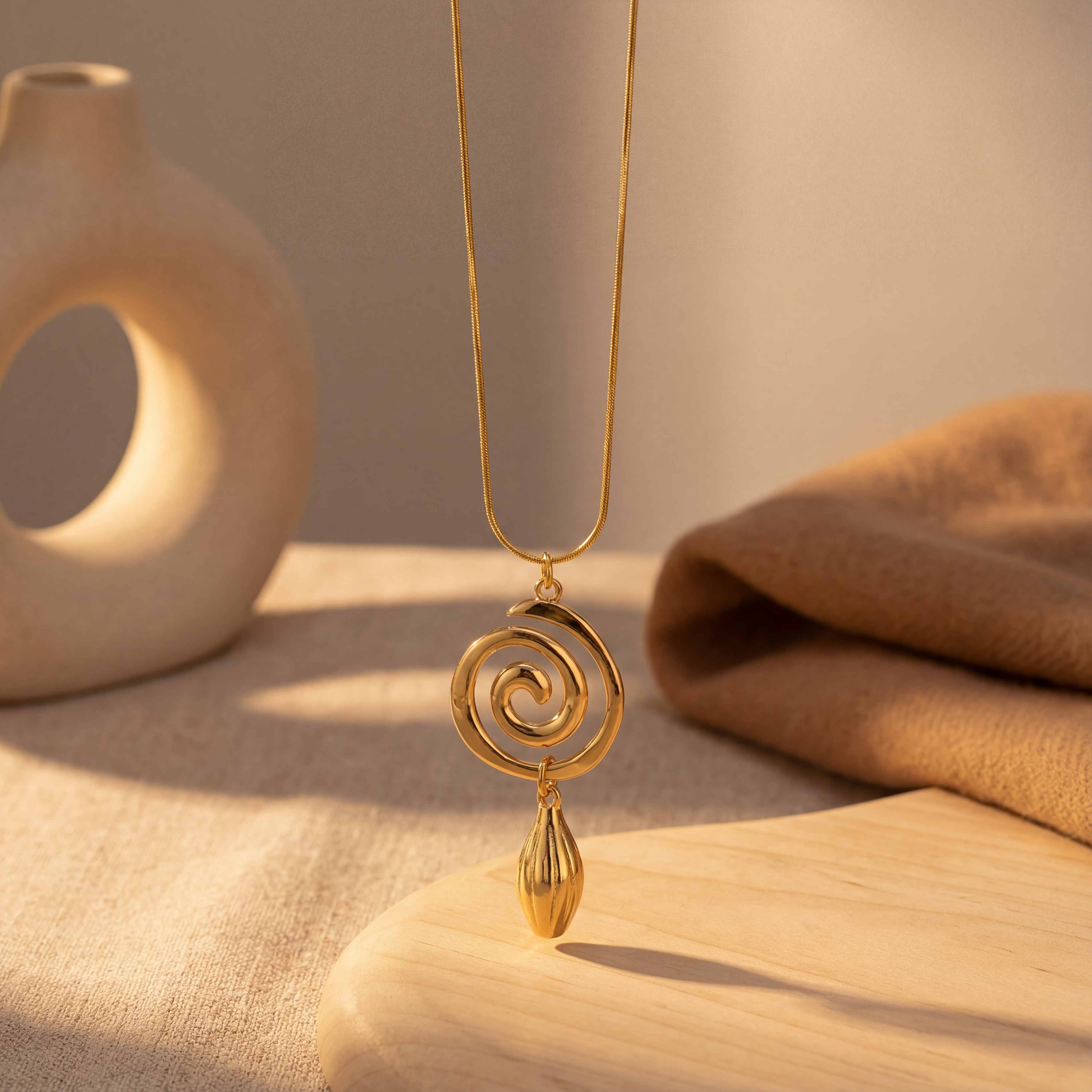
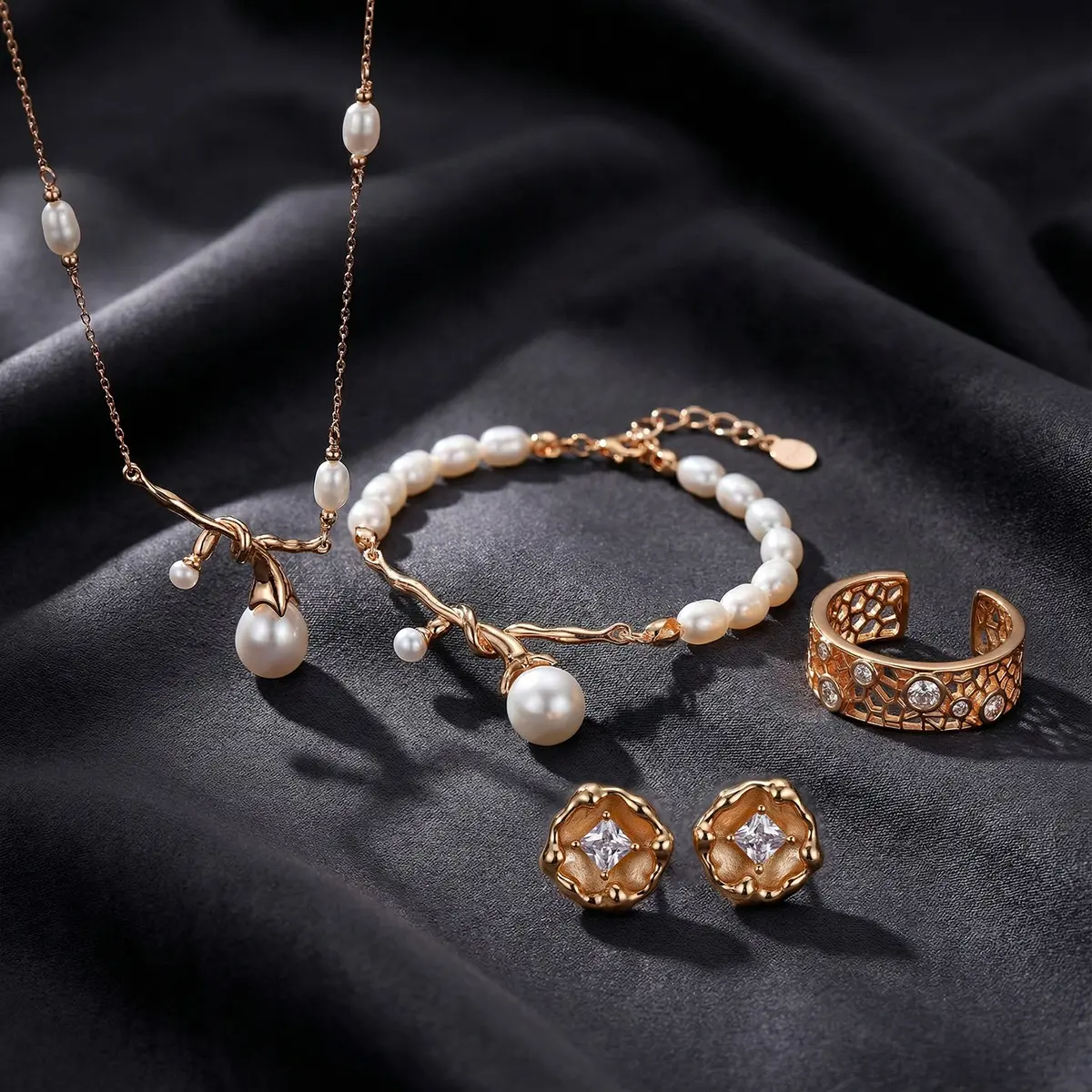
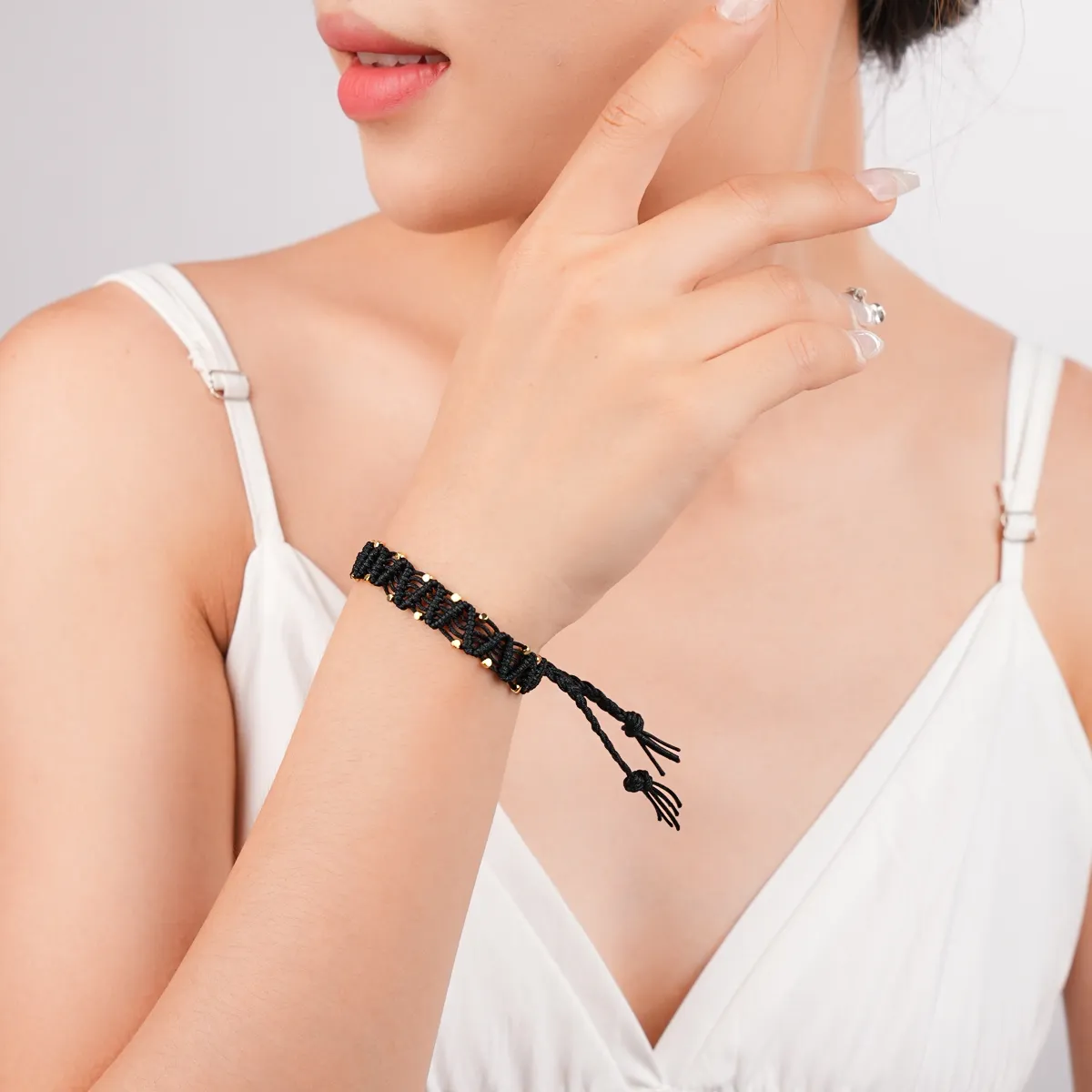
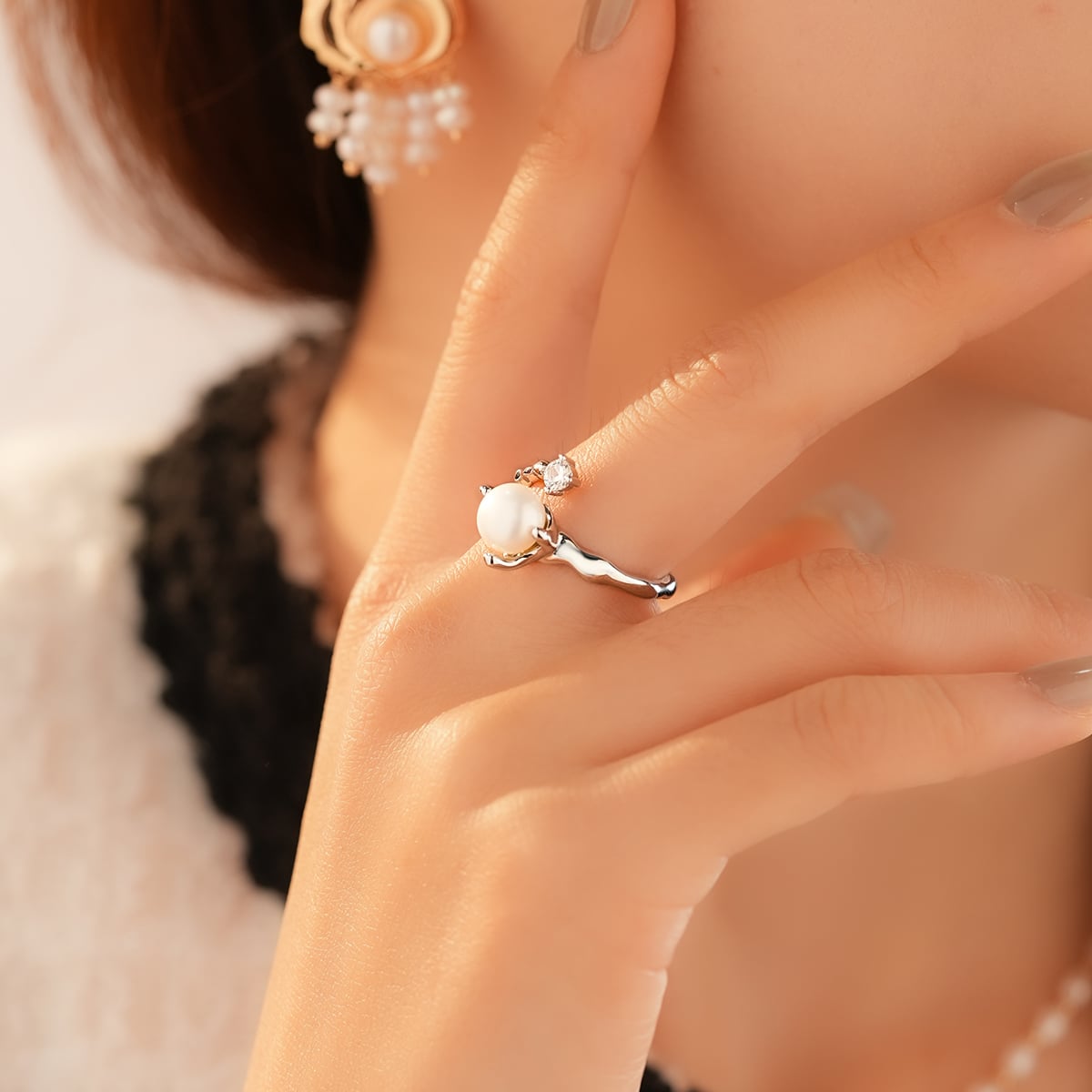
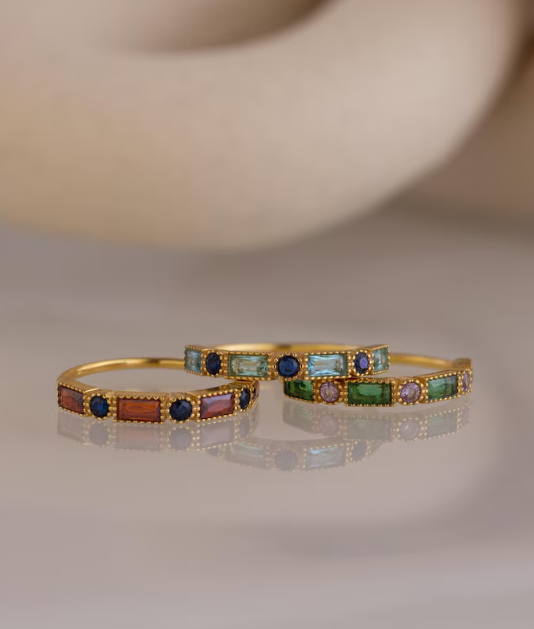
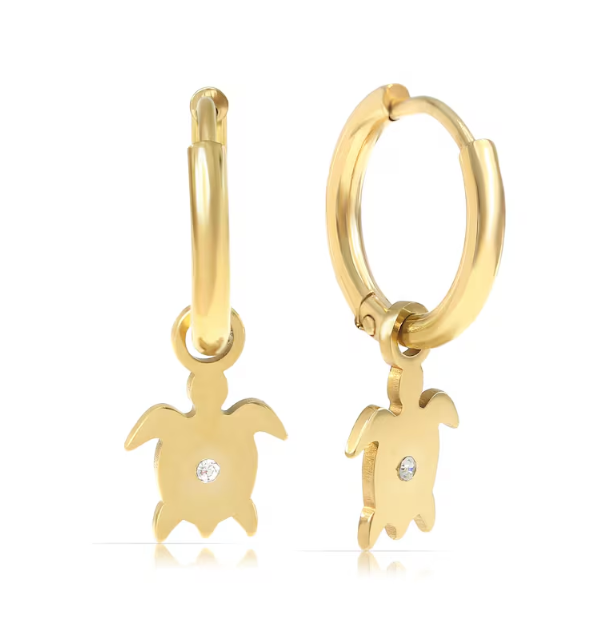
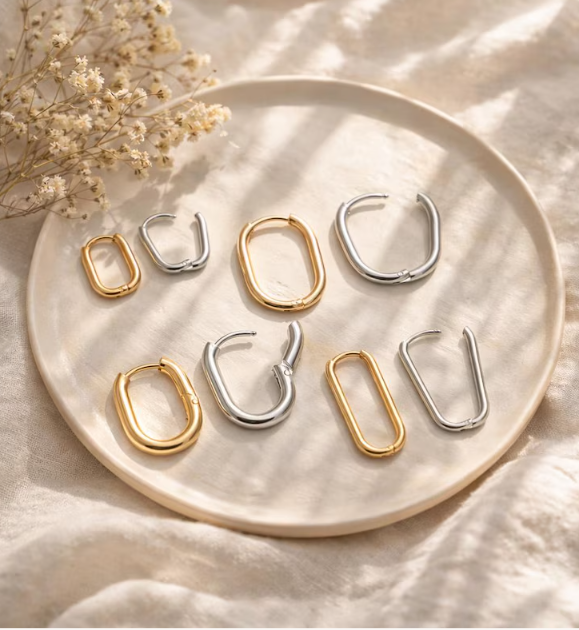
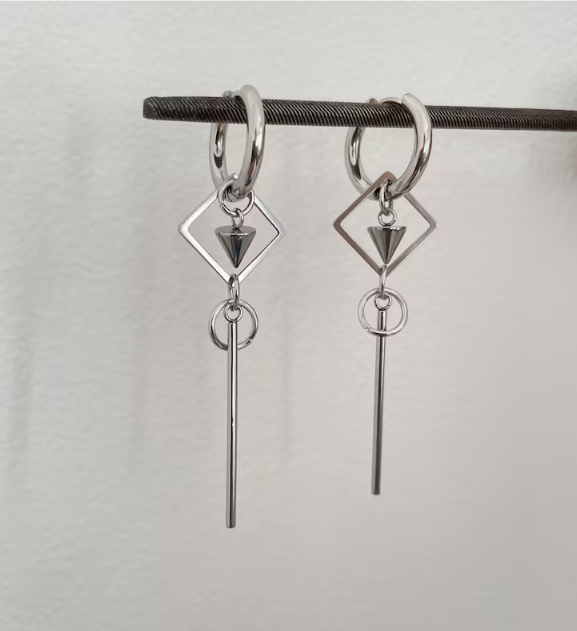
316 stainless steel jewelry represents a premium category of fashion accessories crafted from marine-grade stainless steel alloy. This material contains 16-18% chromium, 10-14% nickel, and 2-3% molybdenum, creating exceptional resistance to corrosion, tarnishing, and rust. The technological composition of 316 stainless steel jewelry makes it superior to standard stainless steel variants, particularly in environments exposed to moisture, saltwater, and chemicals. These pieces undergo specialized manufacturing processes including precision casting, electropolishing, and surface finishing to achieve brilliant luster and smooth textures. The main functions of 316 stainless steel jewelry include providing durable, hypoallergenic adornment suitable for everyday wear, professional settings, and active lifestyles. Applications span across rings, necklaces, bracelets, earrings, and body jewelry worn by individuals seeking long-lasting accessories without compromising style. The material's non-reactive properties make 316 stainless steel jewelry ideal for sensitive skin, eliminating concerns about allergic reactions common with base metals. From casual fashion statements to elegant formal pieces, this jewelry category serves diverse aesthetic preferences while maintaining structural integrity over years of use. The technological features ensure color retention, scratch resistance, and dimensional stability, making these accessories practical investments. Whether for personal collection or gifting purposes, 316 stainless steel jewelry delivers reliable performance across various climates and wearing conditions, establishing itself as a sustainable alternative to precious metals requiring frequent maintenance.

 EN
EN