
 EN
EN



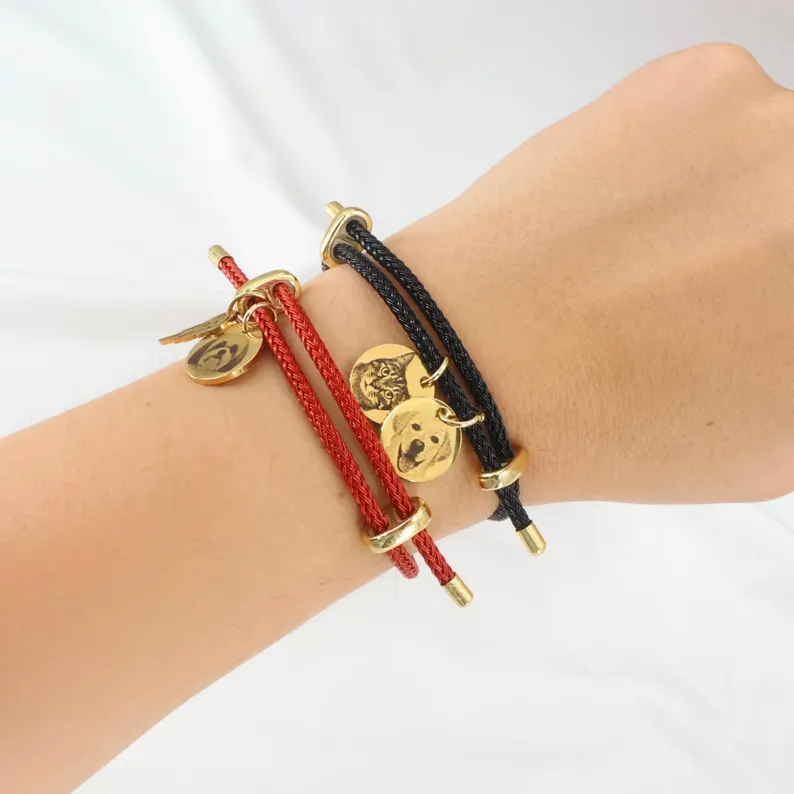
Evaluating the technical capabilities of a jewelry manufacturer requires a systematic approach that examines multiple dimensions of their production expertise. When businesses seek to partner with a reliable jewelry manufacturer, understanding their technical proficiencies becomes crucial for ensuring quality outcomes, meeting design specifications, and maintaining consistent production standards. The assessment process involves analyzing manufacturing technologies, quality control systems, design capabilities, and production capacity to determine whether a jewelry manufacturer can deliver products that meet your specific requirements and market expectations.
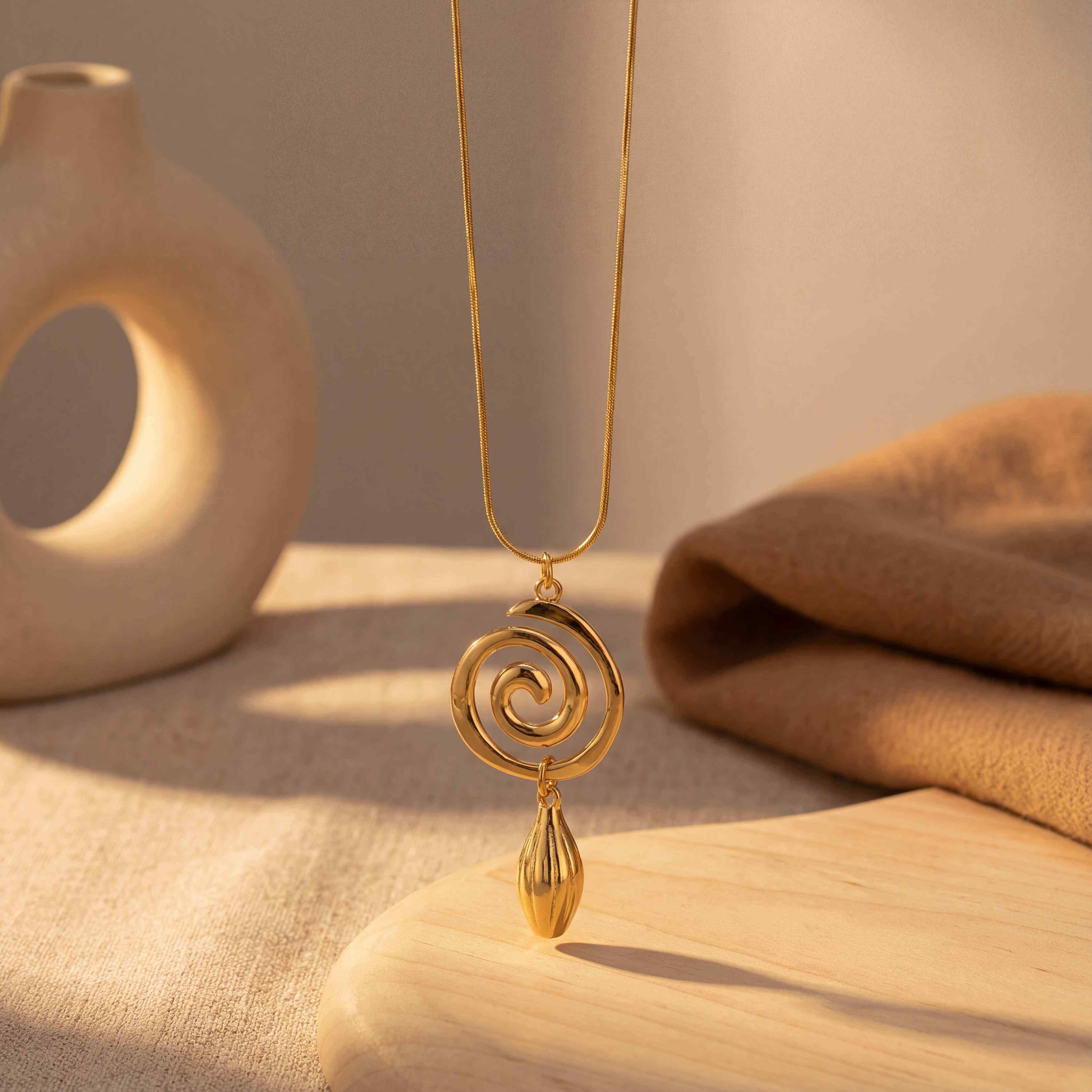
A comprehensive technical assessment encompasses various critical factors that directly impact the jewelry manufacturer's ability to execute complex projects successfully. These factors include their mastery of different metalworking techniques, precision in gem setting procedures, proficiency with modern manufacturing equipment, and adherence to international quality standards. By thoroughly evaluating these technical aspects, businesses can make informed decisions about which jewelry manufacturer best aligns with their production needs, quality expectations, and long-term partnership goals.
Manufacturing Technology and Equipment Assessment
Production Machinery and Tools Evaluation
The foundation of any competent jewelry manufacturer lies in their investment in modern production machinery and specialized tools. Advanced manufacturing equipment demonstrates a jewelry manufacturer's commitment to precision and efficiency in their operations. Key machinery to assess includes computer-controlled milling machines, laser welding systems, casting equipment, and automated polishing stations. These technologies enable a jewelry manufacturer to achieve consistent results, reduce production time, and maintain strict dimensional tolerances across large production runs.
Modern jewelry manufacturers should possess state-of-the-art CAD/CAM systems that facilitate precise design translation into physical products. The integration of 3D printing capabilities for prototype development and investment casting patterns indicates a progressive approach to manufacturing. Additionally, sophisticated measurement tools such as digital calipers, microscopes with magnification capabilities, and computerized testing equipment reflect the jewelry manufacturer's dedication to maintaining exacting standards throughout the production process.
Technology Integration and Automation Levels
The degree of technology integration within a jewelry manufacturer's operations reveals their capacity for scalable and consistent production. Automated systems for stone setting, chain assembly, and surface finishing demonstrate advanced technical capabilities that translate into improved quality control and reduced human error. A technically proficient jewelry manufacturer leverages automation strategically while maintaining the artisanal touch required for premium jewelry products.
Digital workflow management systems that track production progress, material usage, and quality checkpoints indicate organizational maturity and technical sophistication. The ability to seamlessly integrate customer design files into production workflows shows that the jewelry manufacturer has invested in comprehensive technical infrastructure. Furthermore, real-time production monitoring systems enable proactive quality management and efficient resource allocation throughout the manufacturing process.
Quality Control Systems and Certification Standards
Quality Assurance Protocols and Testing Procedures
A reliable jewelry manufacturer implements rigorous quality assurance protocols that encompass every stage of the production process. These protocols should include incoming material inspection, in-process quality checks, and final product validation procedures. The presence of dedicated quality control personnel and specialized testing equipment demonstrates the jewelry manufacturer's commitment to maintaining consistent product standards and customer satisfaction.
Comprehensive testing procedures for metal purity, stone authentication, and structural integrity are essential indicators of technical competence. A qualified jewelry manufacturer should possess hallmarking capabilities and maintain detailed documentation of all quality control activities. The implementation of statistical process control methods and continuous improvement initiatives reflects advanced quality management practices that ensure long-term reliability and performance consistency.
Industry Certifications and Compliance Standards
Professional certifications from recognized industry organizations provide objective validation of a jewelry manufacturer technical capabilities and adherence to established standards. ISO 9001 certification demonstrates systematic quality management, while specific jewelry industry certifications such as RJC (Responsible Jewellery Council) membership indicate commitment to ethical and sustainable practices. These certifications require regular audits and continuous compliance monitoring, providing assurance of ongoing technical competence.
Compliance with international hallmarking standards and precious metal regulations showcases the jewelry manufacturer's understanding of global market requirements. Additional certifications related to gemstone authentication, conflict-free sourcing, and environmental management systems further validate their comprehensive technical approach. The maintenance of multiple relevant certifications indicates a mature organization with established systems for managing complex regulatory requirements.
Design and Development Capabilities
Custom Design and Prototyping Services
The ability to transform conceptual ideas into tangible jewelry products requires sophisticated design and development capabilities. A competent jewelry manufacturer should maintain an experienced design team capable of interpreting customer requirements and creating detailed technical drawings. The integration of computer-aided design software with rapid prototyping capabilities enables efficient design iteration and customer approval processes.
Advanced prototyping capabilities using 3D printing, wax carving, and metal fabrication techniques allow customers to evaluate designs before committing to full production. The jewelry manufacturer's portfolio of completed custom projects provides insight into their design versatility and technical execution abilities. Additionally, their capacity to work with various materials, including precious metals, gemstones, and alternative materials, demonstrates broad technical competence and creative problem-solving skills.
Technical Drawing and Specification Development
Professional technical drawing capabilities are fundamental to successful jewelry manufacturing, as they provide the precise specifications required for accurate production. A skilled jewelry manufacturer should produce detailed drawings that include dimensional specifications, material callouts, assembly instructions, and finishing requirements. These technical documents serve as the communication bridge between design concepts and manufacturing execution.
The ability to create comprehensive specification sheets that cover all aspects of the manufacturing process demonstrates systematic approach to project management. These specifications should include tolerances, surface finish requirements, quality control checkpoints, and packaging instructions. A technically proficient jewelry manufacturer maintains version control systems for design documentation and implements change management procedures to ensure production accuracy throughout the project lifecycle.
Production Capacity and Scalability Assessment
Manufacturing Volume and Timeline Capabilities
Understanding a jewelry manufacturer's production capacity involves evaluating their ability to handle projects of varying sizes and complexity levels within specified timeframes. Production capacity assessment should consider both their current manufacturing throughput and their ability to scale operations for larger orders. The jewelry manufacturer's track record of meeting delivery deadlines while maintaining quality standards provides valuable insight into their operational efficiency and project management capabilities.
Effective capacity planning requires analysis of the jewelry manufacturer's workforce size, equipment utilization rates, and production scheduling systems. Their ability to accommodate rush orders, seasonal demand fluctuations, and custom project requirements demonstrates operational flexibility and resource management sophistication. Additionally, clear communication regarding lead times and production milestones indicates professional project management practices that support successful partnership relationships.
Resource Allocation and Supply Chain Management
Efficient resource allocation and robust supply chain management are critical technical capabilities that enable consistent production performance. A reliable jewelry manufacturer should maintain strategic relationships with precious metal suppliers, gemstone dealers, and specialized component providers. Their ability to source materials efficiently while maintaining quality standards and competitive pricing reflects supply chain expertise and market knowledge.
Inventory management systems that optimize material usage, minimize waste, and ensure material traceability demonstrate sophisticated operational capabilities. The jewelry manufacturer's approach to managing material price volatility and supply chain disruptions provides insight into their business resilience and risk management practices. Furthermore, their capacity to coordinate complex multi-component assemblies and manage multiple concurrent projects indicates advanced production planning and coordination capabilities.
Specialized Techniques and Craftsmanship Evaluation
Traditional Craftsmanship and Artisanal Skills
While modern technology plays an increasingly important role in jewelry manufacturing, traditional craftsmanship remains essential for creating exceptional products. A skilled jewelry manufacturer should maintain a workforce with expertise in hand-finishing techniques, intricate stone setting methods, and specialized metalworking procedures. These artisanal skills complement automated processes and enable the creation of unique, high-quality pieces that distinguish superior jewelry products.
The preservation and application of traditional techniques such as filigree work, granulation, and hand engraving demonstrate the jewelry manufacturer's commitment to comprehensive technical capabilities. Master craftspeople within the organization should possess decades of experience and the ability to train younger artisans in specialized techniques. This combination of traditional knowledge and modern production methods enables the jewelry manufacturer to offer diverse manufacturing solutions that meet varied customer requirements and quality expectations.
Advanced Manufacturing Techniques and Innovation
Innovation in manufacturing techniques distinguishes leading jewelry manufacturers from their competitors and demonstrates their technical advancement. Advanced techniques such as laser sintering, electroforming, and precision micro-welding enable the creation of complex geometries and intricate details that traditional methods cannot achieve. The jewelry manufacturer's investment in emerging technologies and continuous process improvement reflects their commitment to maintaining competitive technical advantages.
The development of proprietary manufacturing techniques or specialized applications of existing technologies showcases innovation and technical leadership. A progressive jewelry manufacturer should demonstrate their ability to solve complex manufacturing challenges through creative application of available technologies and processes. Their willingness to collaborate on experimental projects and explore new manufacturing possibilities indicates technical confidence and commitment to advancing the industry's capabilities.
FAQ
What specific certifications should I look for when evaluating a jewelry manufacturer?
Look for ISO 9001 quality management certification, RJC (Responsible Jewellery Council) membership, and relevant hallmarking authority registrations. Additional valuable certifications include conflict-free sourcing compliance, environmental management certifications, and industry-specific quality standards. These certifications demonstrate the jewelry manufacturer's commitment to systematic quality management, ethical practices, and regulatory compliance.
How can I verify the technical capabilities claimed by a jewelry manufacturer?
Request facility tours to observe equipment and processes firsthand, review portfolios of completed projects similar to your requirements, and ask for references from current clients. Additionally, request sample products or prototypes to evaluate quality standards, and review their quality control documentation and testing procedures. A reputable jewelry manufacturer will be transparent about their capabilities and welcome thorough evaluation.
What questions should I ask about production capacity and timeline management?
Inquire about their current order backlog, typical lead times for projects similar to yours, and their capacity to handle rush orders or seasonal fluctuations. Ask about their production planning systems, quality control checkpoints, and contingency procedures for managing potential delays. Understanding their approach to project communication and milestone reporting will help ensure successful collaboration throughout the manufacturing process.
How important is the balance between automated processes and traditional craftsmanship?
The optimal balance depends on your product requirements and target market positioning. High-volume production benefits from automation for consistency and efficiency, while luxury or custom pieces often require traditional craftsmanship for unique finishing and artistic details. A versatile jewelry manufacturer should offer both capabilities and recommend the appropriate approach based on your specific project requirements, quality standards, and cost considerations.
Table of Contents
- Manufacturing Technology and Equipment Assessment
- Quality Control Systems and Certification Standards
- Design and Development Capabilities
- Production Capacity and Scalability Assessment
- Specialized Techniques and Craftsmanship Evaluation
-
FAQ
- What specific certifications should I look for when evaluating a jewelry manufacturer?
- How can I verify the technical capabilities claimed by a jewelry manufacturer?
- What questions should I ask about production capacity and timeline management?
- How important is the balance between automated processes and traditional craftsmanship?