925 sterling silver jewelry supplier
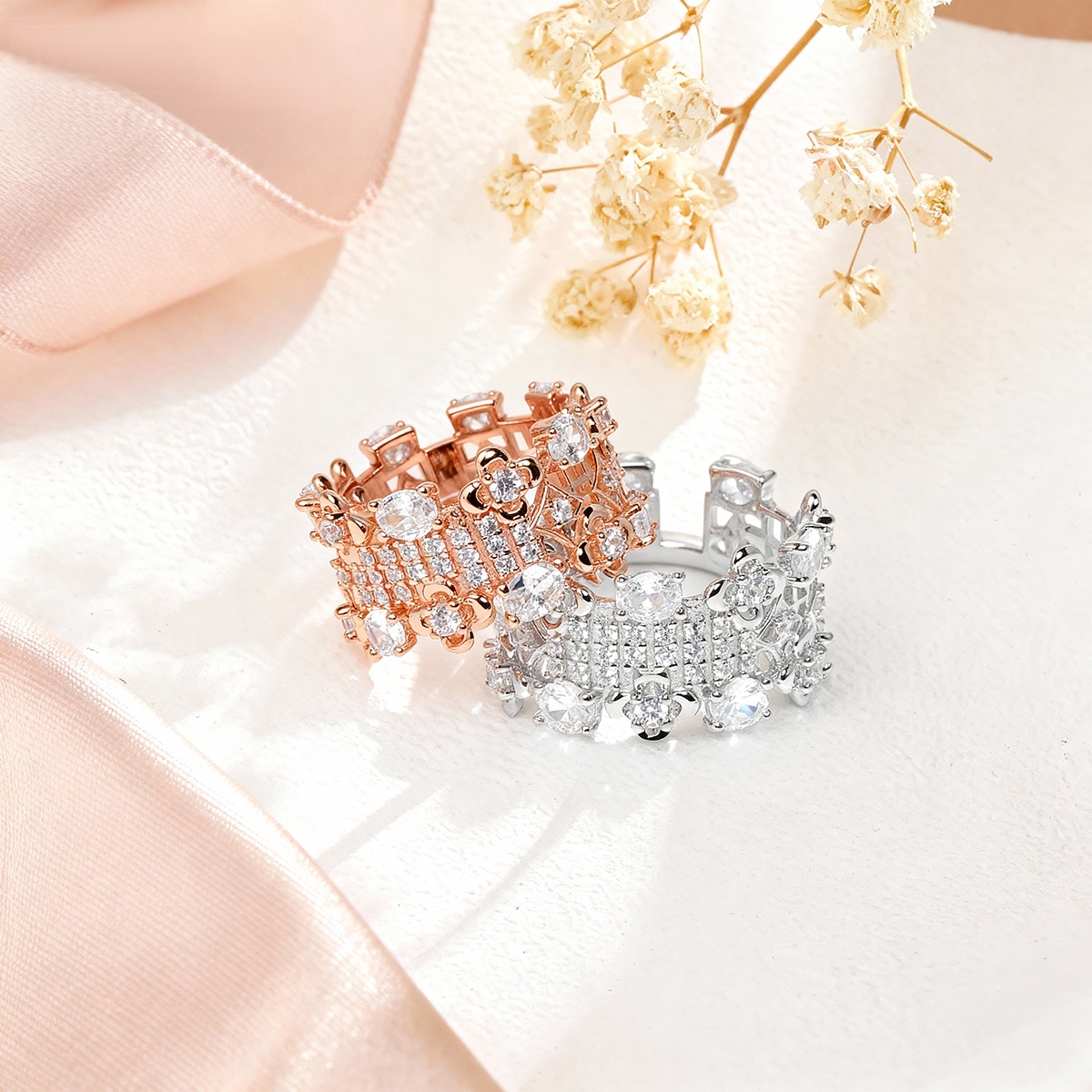
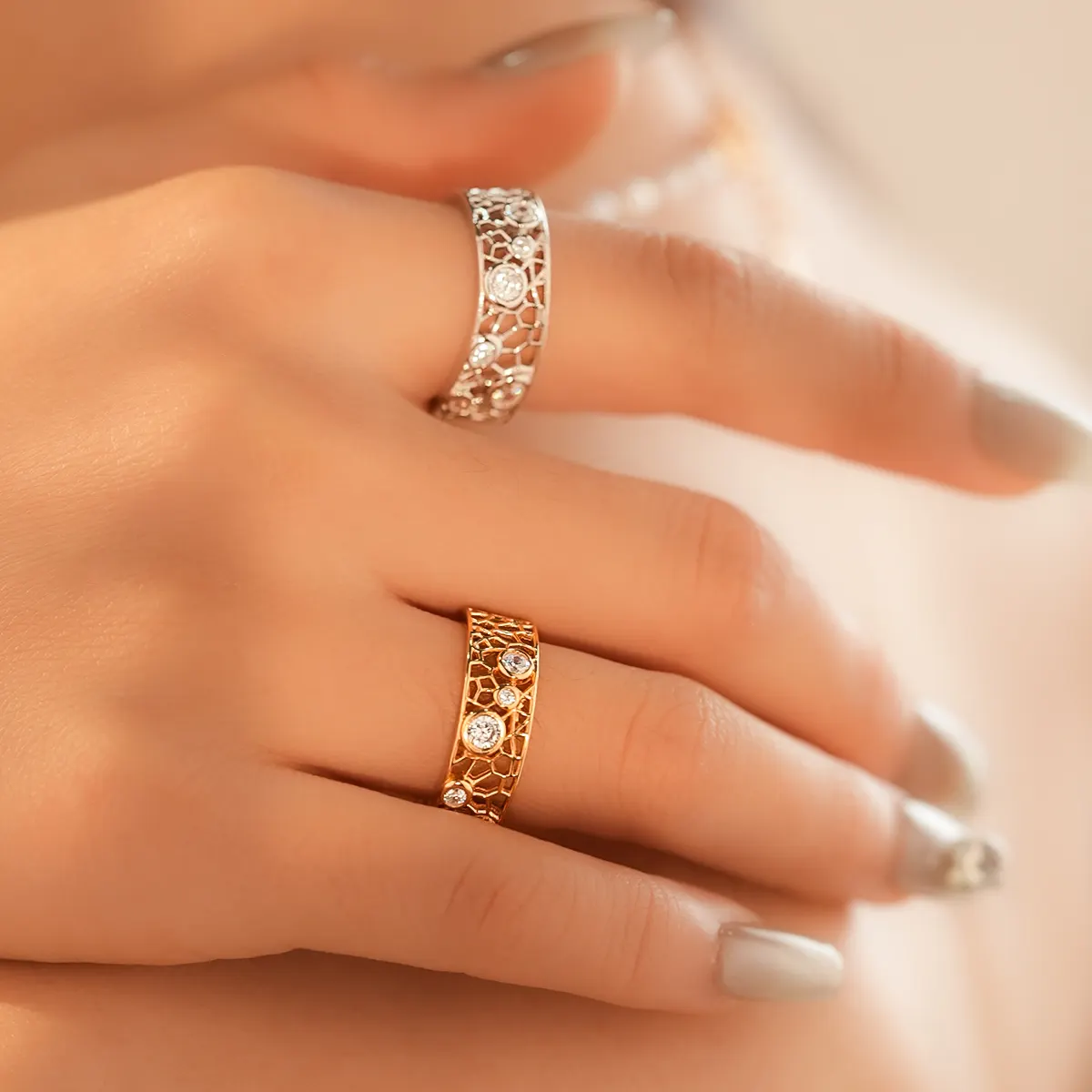
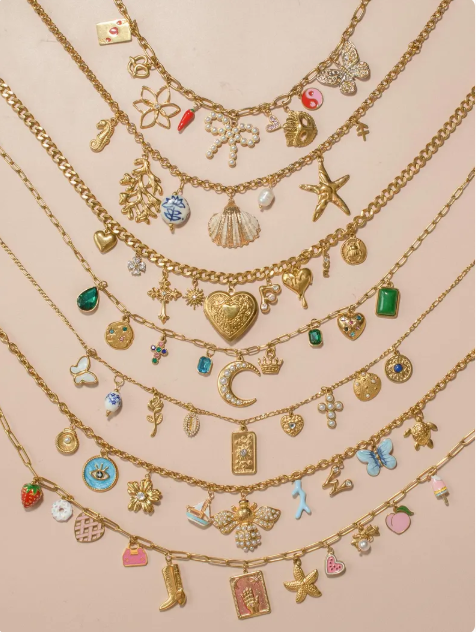
A 925 sterling silver jewelry supplier serves as a critical partner for retailers, boutiques, online stores, and jewelry brands seeking premium-quality silver products. These specialized suppliers manufacture and distribute jewelry crafted from authentic 925 sterling silver, an alloy containing 92.5 percent pure silver and 7.5 percent other metals, typically copper, to enhance durability. The main function of a 925 sterling silver jewelry supplier is to provide consistent access to diverse jewelry collections including rings, necklaces, bracelets, earrings, and customized pieces that meet international quality standards. Technological features often include advanced casting techniques, precision electroplating, rhodium coating for tarnish resistance, and gemstone setting capabilities that ensure superior craftsmanship. Modern suppliers utilize CAD design software and 3D printing for prototyping, enabling rapid product development and customization. Quality control systems incorporating X-ray fluorescence testing verify metal purity and compliance with hallmarking regulations. Applications span multiple market segments from fashion jewelry retailers to luxury brands, wedding jewelry specialists to corporate gift companies. A reliable 925 sterling silver jewelry supplier enables businesses to maintain inventory with trending designs, seasonal collections, and timeless classics while ensuring authenticity certificates and proper hallmarking. The supplier relationship extends beyond product provision to include packaging solutions, dropshipping services, and private label opportunities that help businesses establish their brand identity in competitive markets.

 EN
EN