Handmade Macrame Jewelry - Artisan Crafted Natural Fiber Accessories | Sustainable Fashion

Get a Free Quote

Our representative will contact you soon.
Email
Name
Company Name
Message
0/1000

handmade macrame jewelry

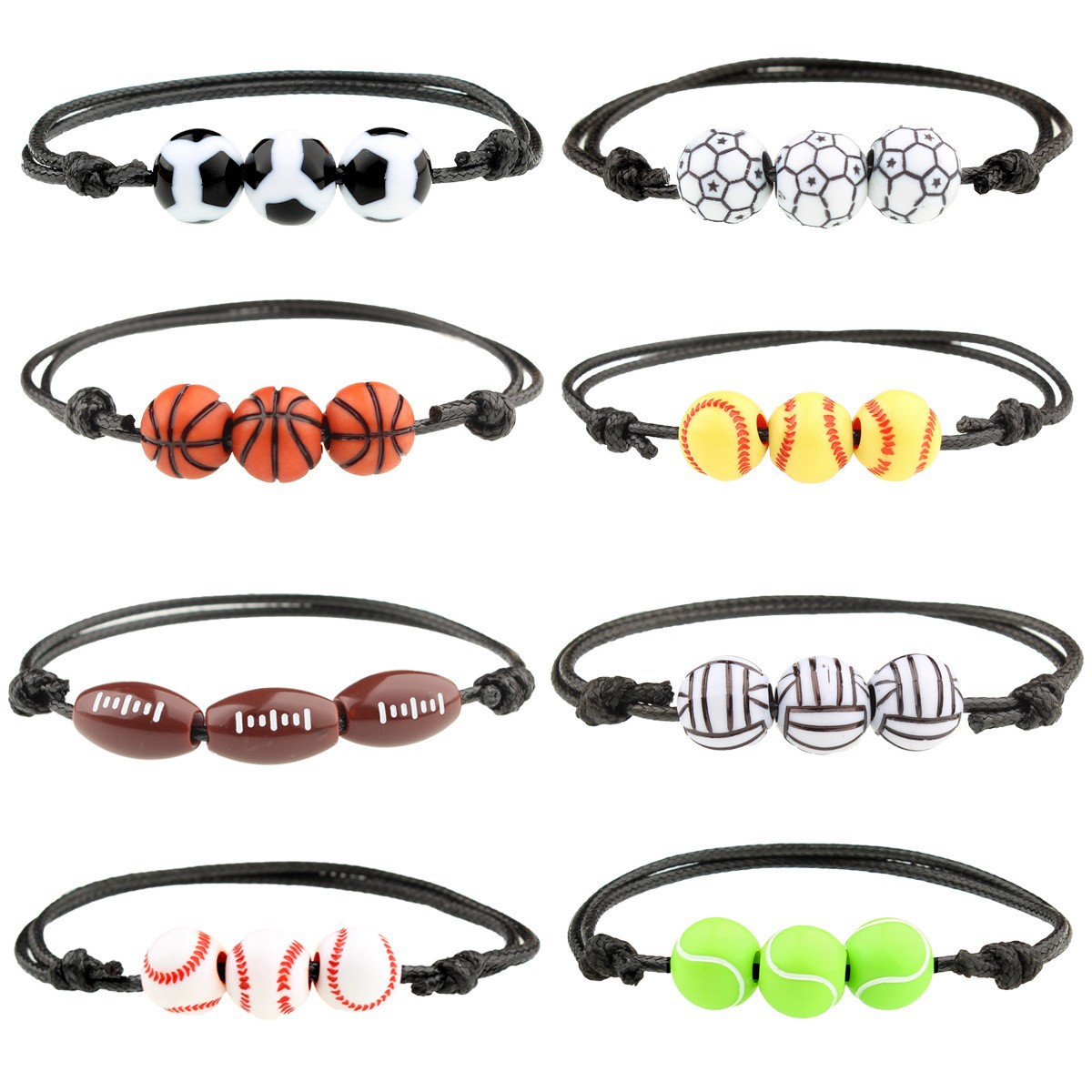
Handmade macrame jewelry represents a beautiful fusion of ancient knotting techniques and contemporary fashion sensibilities. This artisanal craft involves creating intricate patterns and designs using various cords, threads, and natural materials through systematic knotting methods that date back centuries. The main function of handmade macrame jewelry extends beyond mere ornamentation, serving as wearable art that expresses individual style while connecting wearers to traditional craftsmanship. Each piece demonstrates meticulous attention to detail, incorporating complex knot patterns such as square knots, half-hitch knots, and spiral formations that create stunning visual textures and dimensional effects. The technological features of handmade macrame jewelry rely on time-tested techniques passed down through generations, utilizing natural materials like cotton cord, hemp, linen, silk threads, and semi-precious stones. Artisans employ specialized tools including comb picks, scissors, measuring devices, and mounting boards to achieve precise tension and symmetrical patterns. The construction process requires exceptional skill in tension control, ensuring each knot maintains consistent tightness while allowing flexibility for comfortable wear. Applications for handmade macrame jewelry span diverse contexts, from casual everyday accessories to formal event pieces. These versatile creations complement bohemian styles, festival fashion, beachwear, and even professional attire when designed with subtle elegance. The jewelry includes necklaces featuring intricate pendant designs, bracelets with adjustable cord mechanisms, earrings incorporating geometric patterns, and statement pieces combining multiple knotting techniques. Environmental consciousness drives many artisans to select sustainable materials, making handmade macrame jewelry an eco-friendly alternative to mass-produced accessories. The durability of properly crafted pieces ensures longevity, while the organic nature of materials allows pieces to develop character over time. Cultural significance adds depth to each creation, as macrame techniques originated in Arabic countries and spread globally through trade routes, carrying stories and traditions within every knot structure.

New Product Recommendations

Handmade macrame jewelry offers numerous compelling advantages that distinguish it from mass-produced accessories in today's market. The primary benefit lies in its complete uniqueness, as each piece emerges from individual artisan creativity, ensuring no two items are identical. This exclusivity appeals to consumers seeking distinctive accessories that reflect personal style rather than following mainstream trends. The customization potential represents another significant advantage, allowing customers to collaborate with artisans on specific designs, colors, and dimensions that perfectly match their preferences and requirements. Quality craftsmanship stands as a cornerstone benefit, with skilled artisans dedicating substantial time and attention to every detail, resulting in superior construction compared to factory-produced alternatives. The durability of handmade macrame jewelry surpasses expectations when proper materials and techniques are employed, providing lasting value that justifies the investment. Natural materials used in creation offer hypoallergenic properties, making these pieces suitable for individuals with sensitive skin who struggle with metal allergies common in conventional jewelry. The lightweight nature of cord-based designs provides comfortable all-day wear without causing strain or discomfort on the neck, wrists, or ears. Versatility emerges as a practical advantage, with many pieces designed for adjustable sizing through sliding knot mechanisms, accommodating various body types and preference changes. The repair and maintenance simplicity allows owners to address minor issues independently, extending the jewelry's lifespan significantly. Environmental consciousness drives many purchases, as handmade macrame jewelry typically utilizes sustainable, biodegradable materials with minimal environmental impact during production. Supporting artisan communities creates positive social impact, helping preserve traditional crafts while providing income for skilled craftspeople worldwide. The therapeutic value of wearing handcrafted items connects users to the meditative process behind creation, offering a sense of mindfulness and connection to traditional practices. Investment value increases over time, particularly for pieces created by renowned artisans, as handmade items often appreciate rather than depreciate. The storytelling aspect adds emotional value, with each piece carrying the narrative of its creation, materials sourcing, and cultural significance that enriches the ownership experience beyond mere aesthetic appeal.

Practical Tips

The Timeless Charm of Raffia: Elevating Your Jewelry Designs with Natural Texture

12

Mar

The Timeless Charm of Raffia: Elevating Your Jewelry Designs with Natural Texture

In the world of jewelry, trends come and go, but one material has stood the test of time for its warmth, versatility, and earthy elegance: raffia. As a jewelry brand, integrating raffia into your designs isn’t just a nod to bohemian style&mdash...
View More
Crystal Jewelry | The Natural Poetry Hidden in Light and Shadow: A Complete Guide from Material to Wearing

17

Mar

Crystal Jewelry | The Natural Poetry Hidden in Light and Shadow: A Complete Guide from Material to Wearing

When it comes to jewelry materials with a gentle glow, crystal is definitely an indispensable one. Unlike diamonds that are sharp and dazzling, or pearls that are warm and soft, crystal combines the transparent texture of natural minerals with the de...
View More
Jewelry Metal Materials Guide_ Concepts, Differences & Electroplating Process

18

Mar

Jewelry Metal Materials Guide_ Concepts, Differences & Electroplating Process

Jewelry Metal Materials Guide: Concepts, Differences & Electroplating Process When choosing jewelry, the metal material directly determines the wearing experience, the durability of its appearance, and cost-effectiveness. In this blog, we will clear...
View More
How to Evaluate Stainless Steel Jewelry Quality for B2B Buyers?

20

Apr

How to Evaluate Stainless Steel Jewelry Quality for B2B Buyers?

Evaluating stainless steel jewelry quality requires a systematic approach that goes beyond surface aesthetics, particularly for B2B buyers who need to ensure consistent quality standards across their inventory. Professional buyers must understand the...
View More

Get a Free Quote

Our representative will contact you soon.
Email
Name
Company Name
Message
0/1000

handmade macrame jewelry

Artisanal Craftsmanship and Unique Design Philosophy

Artisanal Craftsmanship and Unique Design Philosophy

The artisanal craftsmanship behind handmade macrame jewelry represents centuries of refined technique merged with contemporary design innovation. Each artisan brings individual interpretation to traditional knotting methods, creating pieces that showcase personal artistic vision while honoring historical techniques. The design philosophy emphasizes organic forms and natural flow, reflecting the inherent properties of the materials used in construction. Master craftspeople invest years developing their skills, learning to manipulate tension and spacing to achieve complex three-dimensional structures that would be impossible to replicate through machine production. The creative process begins with material selection, where artisans carefully choose cords based on texture, strength, color, and environmental impact. Natural fibers like organic cotton, hemp, and linen provide the foundation for most pieces, each offering distinct characteristics that influence the final appearance and feel. The knotting techniques employed range from basic square knots to advanced spiral patterns, crown knots, and josephine knots, each serving specific structural and aesthetic purposes. Color theory plays a crucial role in design decisions, with artisans understanding how different hues interact and complement skin tones. The incorporation of beads, stones, and metal elements requires precise calculation to maintain proper balance and proportion. Pattern development involves mathematical precision combined with artistic intuition, creating rhythmic sequences that please the eye while maintaining structural integrity. The finishing process demands exceptional attention to detail, with careful trimming, burning, and sealing of cord ends to ensure longevity. Quality control occurs throughout production, with artisans constantly assessing tension consistency, symmetry, and overall aesthetic appeal. The time investment in each piece varies significantly based on complexity, with simple bracelets requiring several hours while elaborate necklaces may demand weeks of dedicated work. This substantial time commitment reflects in the quality and uniqueness of the final product, justifying the premium pricing compared to mass-produced alternatives. The philosophical approach to creation emphasizes mindfulness and meditation, with many artisans describing the knotting process as therapeutic and spiritually enriching, qualities that transfer to the wearer through energetic connection to the craft.
Sustainable Materials and Environmental Consciousness

Sustainable Materials and Environmental Consciousness

The environmental consciousness embedded in handmade macrame jewelry production sets it apart as a responsible fashion choice in an increasingly eco-aware marketplace. Artisans prioritize sustainable material sourcing, selecting natural fibers that decompose harmlessly while providing exceptional durability during use. Organic cotton represents a popular choice due to its soft texture, excellent knotting properties, and minimal environmental impact when grown without pesticides or chemical fertilizers. Hemp emerges as another favored material, offering superior strength and longevity while requiring minimal water and no pesticides during cultivation. Linen provides elegant sophistication with its natural luster and aging characteristics that enhance beauty over time. The production process generates minimal waste, as skilled artisans calculate precise measurements to utilize materials efficiently. Leftover cord segments find purpose in smaller projects or practice pieces, ensuring virtually nothing goes to landfills. Natural dyes derived from plants, minerals, and other organic sources provide color options without introducing harmful chemicals into the environment. Water usage remains minimal compared to textile manufacturing, with most production requiring only small amounts for occasional cleaning or preparation. The absence of electricity-intensive machinery reduces carbon footprint significantly, relying instead on human skill and simple hand tools. Packaging considerations extend the environmental commitment, with many artisans using recycled materials, biodegradable options, or reusable containers for shipping and presentation. The longevity of well-crafted pieces means fewer replacements needed over time, reducing overall consumption patterns. Repair and modification possibilities extend product lifecycles, allowing customers to refresh appearances or adjust sizing rather than purchasing new items. Local sourcing initiatives support regional economies while reducing transportation impacts associated with global supply chains. The biodegradable nature of materials ensures responsible end-of-life disposal, with pieces returning harmlessly to earth when their useful life concludes. Educational components often accompany purchases, helping consumers understand sustainable practices and encouraging mindful consumption habits. Certification programs verify organic and sustainable claims, providing transparency and accountability in material sourcing and production methods.
Therapeutic Benefits and Mindful Connection

Therapeutic Benefits and Mindful Connection

The therapeutic benefits and mindful connection associated with handmade macrame jewelry extend far beyond aesthetic appreciation, offering wearers a tangible link to meditative practices and stress reduction. The creation process itself embodies mindfulness principles, with artisans entering flow states during repetitive knotting motions that promote mental clarity and emotional balance. This meditative energy becomes embedded within each piece, transferring calming properties to those who wear the jewelry. Research in occupational therapy demonstrates that repetitive hand motions, similar to those used in macrame creation, stimulate pressure points and nerve pathways that promote relaxation and reduce anxiety levels. The tactile experience of wearing natural fiber jewelry provides sensory comfort, with soft textures offering subtle stimulation that can help ground individuals during stressful moments. Many practitioners report that touching or adjusting their handmade macrame jewelry during challenging situations provides immediate stress relief and emotional centering. The symbolic significance of knots themselves carries psychological weight, representing connection, permanence, and intentional binding of positive intentions. Ancient cultures recognized knot magic and the power of deliberate creation, beliefs that continue influencing contemporary understanding of handcrafted items' energetic properties. Color psychology plays a significant role in therapeutic applications, with specific hues chosen to promote desired emotional states such as calm, confidence, or creativity. The wearing ritual itself becomes a mindfulness practice, with individuals taking moments to appreciate the craftsmanship and connect with the intention behind each piece. Meditation practitioners often incorporate handmade macrame jewelry into their practice, using pieces as focal points or tactile anchors during sitting sessions. The natural materials maintain connection to earth elements, supporting grounding practices and nature-based healing modalities. Aromatherapy integration occurs naturally when materials absorb and gradually release essential oils applied during wear. The imperfect beauty inherent in handcrafted items teaches acceptance and appreciation of natural variation, supporting self-compassion and body positivity. Community connection emerges through shared appreciation of craftsmanship, creating bonds between wearers who recognize and value artisanal work. The slow fashion movement finds perfect expression in handmade macrame jewelry, encouraging thoughtful consumption and appreciation for lasting quality over quantity.

Get a Free Quote

Our representative will contact you soon.
Email
Name
Company Name
Message
0/1000