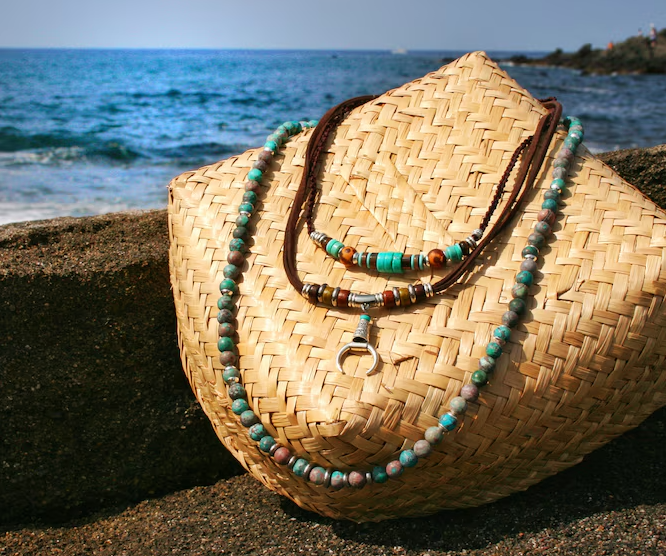
Premium Macrame Jewelry: Handcrafted Sustainable Accessories with Unmatched Comfort and Style

Get a Free Quote

Our representative will contact you soon.
Email
Name
Company Name
Message
0/1000

macrame for jewelry

Macrame for jewelry represents an ancient art form that has evolved into a sophisticated technique for creating stunning, handcrafted accessories. This intricate knotting method transforms simple cords, threads, and fibers into elaborate jewelry pieces that combine artistic expression with functional wearability. Macrame for jewelry involves the systematic arrangement of knots without the use of needles, hooks, or other traditional jewelry-making tools, relying solely on the manipulation of materials through various knotting patterns. The primary functions of macrame for jewelry encompass both aesthetic and practical purposes. Artistically, it allows creators to design unique, personalized accessories that reflect individual style preferences and cultural influences. Functionally, macrame for jewelry provides durable, flexible accessories that adapt to different occasions and outfits. The technological features of macrame for jewelry center around its fundamental simplicity combined with infinite complexity potential. Basic knots such as square knots, half hitches, and spiral knots form the foundation, while advanced practitioners incorporate clove hitches, Josephine knots, and decorative pattern combinations. Modern macrame for jewelry often integrates contemporary materials like nylon cord, silk threads, metallic fibers, and eco-friendly options alongside traditional hemp and cotton. Applications of macrame for jewelry span numerous accessory categories including bracelets, necklaces, earrings, anklets, rings, and decorative hair accessories. The versatility of macrame for jewelry makes it suitable for casual everyday wear, formal occasions, bohemian fashion statements, and cultural celebrations. Contemporary designers frequently combine macrame for jewelry with gemstones, beads, metals, and other decorative elements to create hybrid pieces that bridge traditional craftsmanship with modern aesthetic demands. The growing popularity of macrame for jewelry reflects increasing consumer interest in handmade, sustainable, and customizable accessories that offer alternatives to mass-produced jewelry options.

Popular Products

Macrame for jewelry offers numerous practical advantages that make it an attractive choice for both creators and wearers seeking distinctive, high-quality accessories. The cost-effectiveness of macrame for jewelry stands out as a primary benefit, requiring minimal initial investment in materials and tools compared to traditional metalworking or gemstone setting techniques. Basic macrame for jewelry projects need only cord, scissors, and measuring tape, making it accessible to beginners and budget-conscious artisans. The durability of macrame for jewelry surpasses many conventional jewelry types due to the inherent strength of knotted construction. Properly executed macrame for jewelry withstands daily wear, moisture exposure, and mechanical stress while maintaining its structural integrity and visual appeal. This resilience makes macrame for jewelry particularly suitable for active lifestyles and outdoor activities where metal jewelry might tarnish or break. Customization capabilities represent another significant advantage of macrame for jewelry. Artisans can easily adjust sizes, colors, patterns, and decorative elements to create personalized pieces that perfectly match individual preferences or specific outfit requirements. The adaptable nature of macrame for jewelry allows for modifications and repairs without requiring specialized equipment or professional services. Environmental sustainability positions macrame for jewelry as an eco-friendly alternative to conventional jewelry production. Natural fiber options like organic cotton, hemp, and linen used in macrame for jewelry biodegradable and renewable, supporting environmentally conscious consumer choices. The production process of macrame for jewelry generates minimal waste and requires no harmful chemicals or energy-intensive manufacturing procedures. Therapeutic benefits emerge from creating macrame for jewelry, as the repetitive knotting motions provide stress relief, mindfulness practice, and meditative experiences. Many practitioners find the rhythmic process of making macrame for jewelry mentally calming and emotionally satisfying. The lightweight nature of macrame for jewelry enhances comfort during extended wear periods, eliminating the weight-related discomfort associated with heavy metal accessories. Hypoallergenic properties of natural fibers used in macrame for jewelry make these pieces suitable for individuals with sensitive skin or metal allergies, expanding accessibility to broader consumer groups who cannot wear traditional jewelry materials.

Tips And Tricks

The Art & Science: A Complete Guide to Silver Jewelry Manufacturing Processes

12

Mar

The Art & Science: A Complete Guide to Silver Jewelry Manufacturing Processes

For brands and retailers, silver jewelry is more than an accessory—it’s a blend of timeless beauty and wearable art. However, the difference between a best-selling piece and a returned item often lies in the manufacturing process.   ...
View More
Jewelry Metal Materials Guide_ Concepts, Differences & Electroplating Process

18

Mar

Jewelry Metal Materials Guide_ Concepts, Differences & Electroplating Process

Jewelry Metal Materials Guide: Concepts, Differences & Electroplating Process When choosing jewelry, the metal material directly determines the wearing experience, the durability of its appearance, and cost-effectiveness. In this blog, we will clear...
View More
Non-Metal DIY Accessories: A Guide to Shell, Resin, Acrylic & Natural Stones

24

Mar

Non-Metal DIY Accessories: A Guide to Shell, Resin, Acrylic & Natural Stones

If you love DIY jewelry making and want to create lightweight, unique, and skin-friendly pieces, non-metal materials are your best choice. Shell, resin, acrylic, and natural stones are widely used in DIY earrings, necklaces, pendants, and charms for ...
View More
How to Evaluate Stainless Steel Jewelry Quality for B2B Buyers?

20

Apr

How to Evaluate Stainless Steel Jewelry Quality for B2B Buyers?

Evaluating stainless steel jewelry quality requires a systematic approach that goes beyond surface aesthetics, particularly for B2B buyers who need to ensure consistent quality standards across their inventory. Professional buyers must understand the...
View More

Get a Free Quote

Our representative will contact you soon.
Email
Name
Company Name
Message
0/1000

macrame for jewelry

Versatile Design Flexibility and Creative Expression

Versatile Design Flexibility and Creative Expression

The remarkable design flexibility inherent in macrame for jewelry sets it apart as a uniquely expressive art form that empowers creators to manifest their artistic visions without technological barriers or expensive equipment investments. This adaptability stems from the fundamental nature of knotting techniques, where countless pattern combinations, color schemes, and structural variations can be achieved through systematic manipulation of basic materials. Macrame for jewelry offers unprecedented creative freedom because patterns can be modified in real-time during the creation process, allowing artisans to respond to inspiration, correct mistakes, or incorporate new ideas without starting over completely. The modular nature of macrame for jewelry construction enables creators to combine different knotting techniques within single pieces, creating complex textures, dimensional effects, and visual interest that would be difficult or impossible to achieve with conventional jewelry-making methods. Advanced practitioners of macrame for jewelry often develop signature styles by experimenting with unconventional materials, asymmetrical designs, or innovative pattern interpretations that push traditional boundaries while maintaining structural integrity. This creative latitude extends to color selection, where macrame for jewelry accommodates subtle monochromatic schemes, bold rainbow combinations, or sophisticated gradient transitions that reflect personal aesthetic preferences or complement specific wardrobe choices. The scalability of macrame for jewelry designs allows creators to adapt patterns for different jewelry types, from delicate finger rings requiring minimal material to statement necklaces incorporating elaborate multi-strand constructions. Cultural influences can be seamlessly integrated into macrame for jewelry designs, honoring traditional patterns while incorporating contemporary elements that create meaningful connections between heritage craftsmanship and modern fashion sensibilities. The forgiving nature of macrame for jewelry construction accommodates experimentation and learning, encouraging novice creators to develop skills progressively while experienced artisans continue discovering new techniques and applications. This design flexibility extends to size adjustments, where macrame for jewelry pieces can be easily modified to fit different body measurements or style preferences without compromising the overall aesthetic integrity or structural soundness of the finished accessory.
Superior Comfort and Wearability Features

Superior Comfort and Wearability Features

Macrame for jewelry delivers exceptional comfort and wearability advantages that significantly enhance the user experience compared to traditional metal or rigid jewelry alternatives. The inherent flexibility of knotted construction allows macrame for jewelry pieces to conform naturally to body contours, eliminating pressure points, sharp edges, or uncomfortable rigid structures that can cause irritation during extended wear periods. This adaptability proves particularly beneficial for active individuals who require jewelry that moves with their body during exercise, work, or recreational activities without causing discomfort or restriction. The lightweight properties of macrame for jewelry contribute substantially to wearing comfort, as even elaborate multi-strand designs typically weigh significantly less than equivalent metal jewelry pieces, reducing neck strain, ear discomfort, or wrist fatigue associated with heavier accessories. Natural fiber materials commonly used in macrame for jewelry provide breathability that prevents moisture accumulation and skin irritation, making these pieces suitable for wear in various climate conditions and activity levels. The soft texture of properly finished macrame for jewelry feels pleasant against skin, avoiding the coldness of metal or hardness of plastic alternatives while providing a tactilely satisfying wearing experience. Temperature adaptation represents another comfort advantage of macrame for jewelry, as natural fibers remain comfortable in both warm and cool conditions without becoming uncomfortably hot or cold like metal jewelry can. The hypoallergenic nature of many materials used in macrame for jewelry makes these pieces suitable for individuals with sensitive skin, metal allergies, or chemical sensitivities who cannot comfortably wear conventional jewelry options. Adjustability features commonly incorporated into macrame for jewelry designs allow wearers to customize fit and tightness according to personal preferences, activity requirements, or changes in body measurements throughout the day. The non-conductive properties of organic materials used in macrame for jewelry eliminate concerns about electrical sensitivity or electromagnetic interference that some individuals experience with metal jewelry. Sleep compatibility represents an often-overlooked benefit of macrame for jewelry, as the soft, flexible construction allows comfortable overnight wear without the discomfort or safety concerns associated with hard jewelry pieces that might cause injury or discomfort during sleep.
Sustainable and Eco-Friendly Production Benefits

Sustainable and Eco-Friendly Production Benefits

Macrame for jewelry represents a pinnacle of sustainable jewelry production, offering environmentally conscious consumers a responsible alternative that minimizes ecological impact while maximizing aesthetic and functional value. The production process of macrame for jewelry operates on fundamentally sustainable principles, requiring no heavy machinery, chemical treatments, or energy-intensive manufacturing procedures that characterize conventional jewelry production methods. Natural materials commonly selected for macrame for jewelry, including organic cotton, hemp, linen, and silk, are renewable resources that can be cultivated using sustainable agricultural practices, supporting circular economy principles and reducing dependence on finite mineral resources. The biodegradable nature of these organic materials ensures that macrame for jewelry pieces can decompose naturally at the end of their useful life, eliminating long-term environmental waste concerns associated with synthetic or metal jewelry that persists in landfills for decades or centuries. Local sourcing opportunities for macrame for jewelry materials support regional economies and reduce transportation-related carbon emissions, as many suitable fibers can be produced domestically rather than requiring international shipping from distant mining operations or manufacturing facilities. The minimal waste generation inherent in macrame for jewelry creation stems from precise material calculations and the ability to utilize even small cord remnants in decorative accents or smaller accessory projects, achieving nearly zero-waste production cycles. Water conservation benefits emerge from macrame for jewelry production, as the manufacturing process requires no water for cleaning, cooling, or chemical processing, contrasting sharply with metal jewelry production that consumes substantial water resources and generates contaminated wastewater requiring treatment. Chemical-free production processes used in creating macrame for jewelry eliminate concerns about toxic substance exposure for both creators and consumers, supporting healthier work environments and safer end products that won't cause skin reactions or environmental contamination. The longevity and repairability of well-constructed macrame for jewelry extend product lifecycles, reducing replacement frequency and associated resource consumption while supporting sustainable consumption patterns. Community-based production models often associated with macrame for jewelry support local artisans, fair trade practices, and traditional craft preservation, contributing to social sustainability alongside environmental benefits. The educational value of macrame for jewelry creation promotes awareness of sustainable craftsmanship practices and encourages consumers to appreciate handmade alternatives to mass-produced accessories, fostering cultural shift toward more conscious consumption patterns that prioritize quality, durability, and environmental responsibility over disposable fashion trends.

Get a Free Quote

Our representative will contact you soon.
Email
Name
Company Name
Message
0/1000